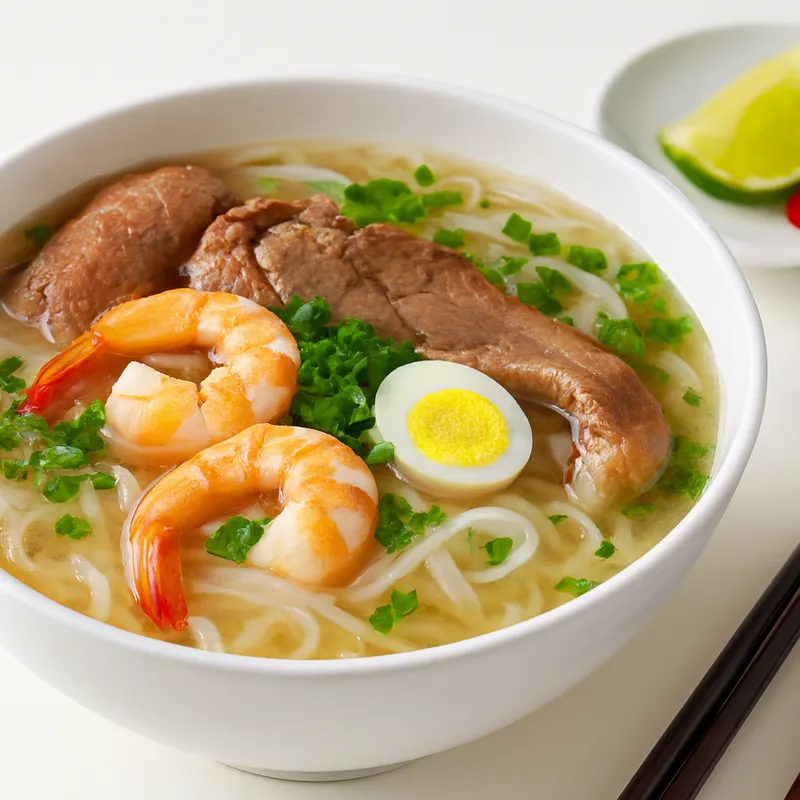
Clear pork-and-shrimp broth over chewy tapioca-rice noodles topped with poached shrimp, sliced pork liver, ground pork, fried garlic and scallion — Saigon's most-eaten noodle bowl.
Hu Tieu Nam Vang means «Phnom Penh-style hu tieu» — a Vietnamese-Cambodian-Chinese hybrid that came to Saigon via Teochew traders settled in Cambodia, then migrated south during the 1950s-70s. The dish localized in District 5 (Cho Lon, Saigon's Chinatown) and spread across the south. Original Phnom Penh versions use a lighter broth and more dried-squid sweetness; Saigon versions added more pork garnishes. Today it is Saigon's everyday breakfast and late-night noodle, more popular within the city than pho itself.
Phnom Penh-style hu tieu via Teochew traders, localized in Cho Lon (Saigon's District 5) post-1954. Dried squid simmered with pork bones is the umami trick — skip it and the broth tastes thin no matter how long the bones go.
Broth that reads almost clear in the bowl — light amber, not opaque — but tastes deeper than pho: pork sweetness from the bones, an umami floor from dried squid, a faint fish-sauce warmth on the back. Hu tieu dai noodles are the load-bearing texture: thinner than pho noodles, with a tapioca-rice blend that snaps between the teeth instead of going limp. Liver should be just-pink at the centre. A bad bowl is murky, oily, or overcooked-noodle-soft.
The dried squid is the load-bearing trick: a single rinsed body simmered with the bones for 2 hours releases free glutamates that give hu tieu its signature umami depth without darkening the broth. Skip it and the soup tastes thin no matter how long the pork bones go. The other discipline is noodle texture: hu tieu dai is a tapioca-rice blend (not pure rice like pho) — soaked first, then blanched only 30-40 seconds, because the tapioca turns gummy if overcooked.
Variations
Phnom Penh original (lighter broth, more dried-squid sweetness); Saigon version (heavier on pork garnishes, the modern standard); hu tieu My Tho subs in tapioca-rich noodles; hu tieu Sa Dec is the Mekong-delta dry version tossed with hoisin and chili oil; Quan Hai My Tho in District 5 is the canonical Saigon address.
On the Palate
Where Hu Tieu Nam Vang sits in the Vietnamese flavor cloud
Ingredients
Serves 4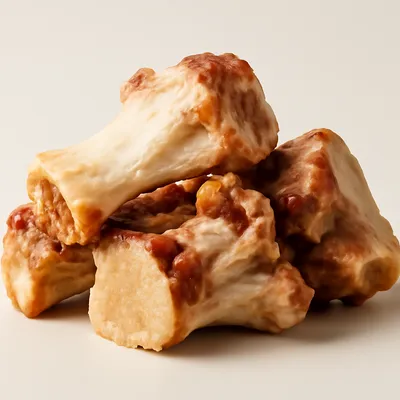








How it's made
5 steps · 1 hour active + 2 hours waiting
- 1125 min
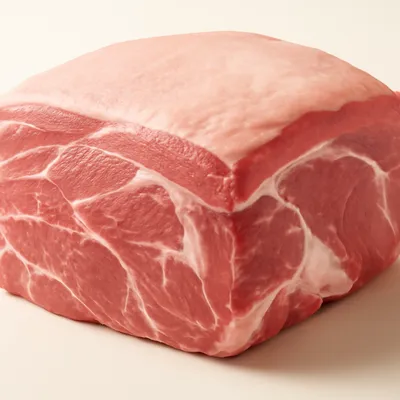
Blanch 1.5kg pork bones and 500g pork shoulder in boiling water 5 minutes; drain, rinse off scum. Cover with 4L cold water; add 1 dried squid (rinsed), 50g rock sugar, 2 tsp salt. Simmer uncovered 2 hours, skimming.
- 25 min
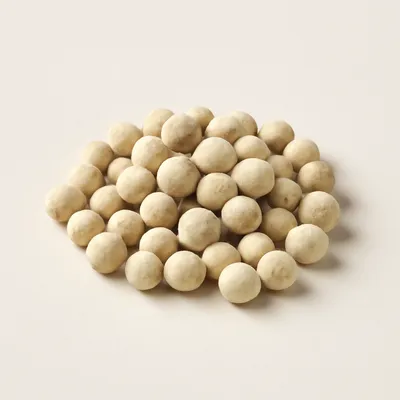
Lift out pork shoulder when tender, cool, slice thin. Strain broth; season with 2 tbsp nuoc mam (fish sauce) and a pinch of white pepper. Keep at a low simmer.
Watch outEnsure the broth is not too salty after adding fish sauce.
- 38 min
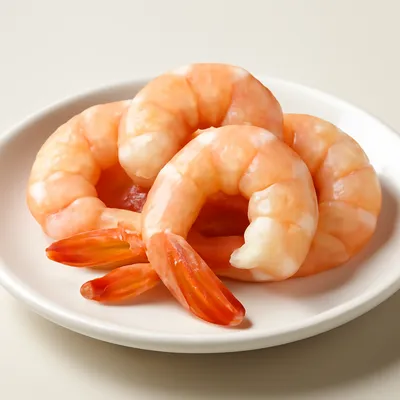
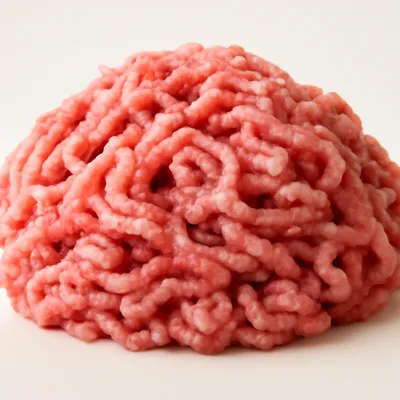
Poach 300g shelled shrimp in the broth 90 seconds — until just opaque; remove. Slice 200g pork liver 3mm thick; poach 60 seconds; remove. Stir-fry 250g ground pork in 1 tbsp oil with 2 cloves minced garlic until crumbled and just cooked.
Watch outPoach shrimp and liver just to opaque — ninety seconds and sixty seconds, no more; they carry on cooking in the hot bowl, and a beat too long turns the liver chalky and the shrimp rubbery.
- 417 min
Soak 400g dried hu tieu dai (chewy tapioca-rice noodles) in warm water 15 minutes; blanch in boiling water 30-40 seconds — they should be al dente, not soft. Drain, divide into 4 deep bowls.
Watch outBlanch the tapioca-rice noodles only thirty to forty seconds so they stay springy and al dente — these aren't pure rice noodles; overcook them and the tapioca turns gummy.
- 55 min
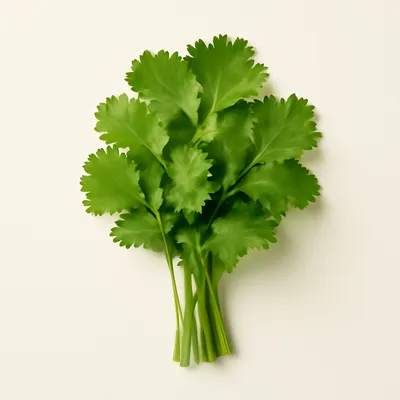
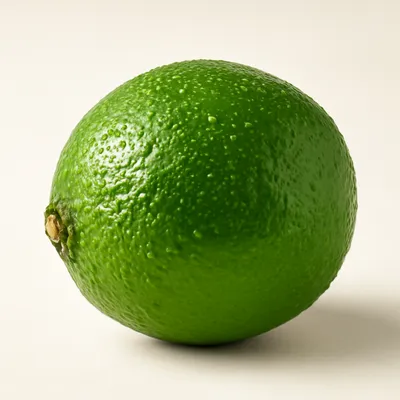
Top each bowl with sliced pork, shrimp, liver, ground pork. Ladle hot broth over. Finish with fried garlic in oil, sliced scallion, cilantro, and a wedge of lime. Serve with bean sprouts, hoisin and sriracha on the side.