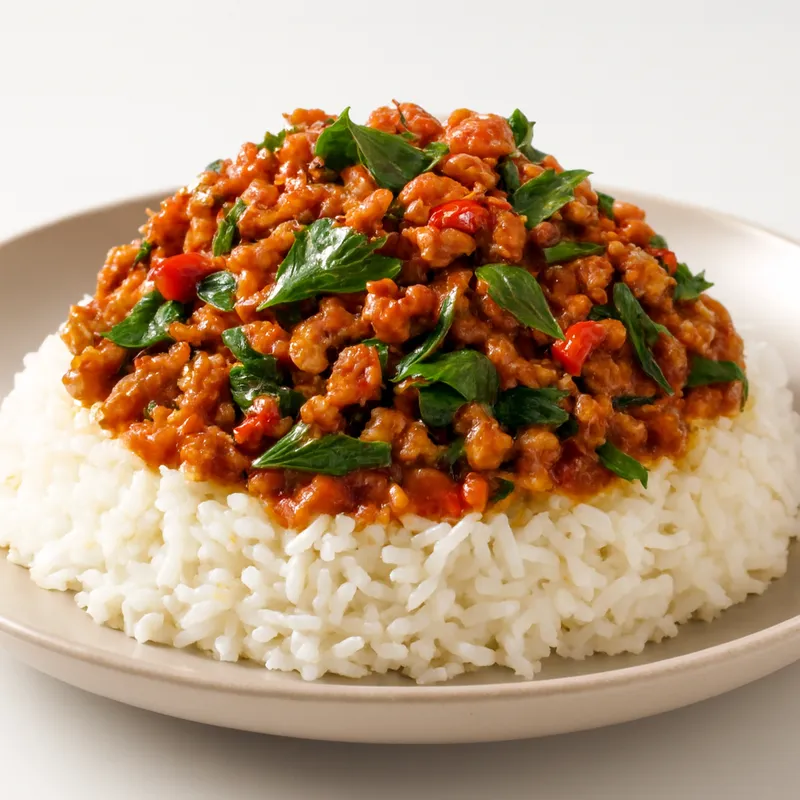
「Drunkard's noodles」: wide rice noodles with holy basil (krapao), fresh bird's-eye chiles, Thai eggplant, baby corn, lots of garlic and fish sauce — spicier and more aromatic than pad see ew.
Pad Kee Mao is a late-20th-century Bangkok street-food invention, named for 「food drunkards eat」 — heavily seasoned, chile-blasted enough to be felt through alcohol. The dish belongs to the same Thai-Chinese stir-fried-noodle family as pad see ew but loads on the Thai-side ingredients (holy basil, fresh chile, fish sauce) rather than Chinese-side (dark soy, oyster sauce dominant). It also exists as a rice version (khao pad kee mao).
Bangkok street-food invention, named for what 「food drunkards eat」 — chile-blasted enough to be felt through liquor. Krapao (holy basil) is the giveaway; horapha sweet basil here is wrong basil.
Hot in two ways: temperature, then chile burn that arrives 5 seconds in, climbs, then peaks. The basil note is sharp and clove-like — that's krapao, not horapha. Eggplant is creamy where it caught the wok; baby corn is still crunchy. Noodles carry the dark soy but the smell is dominated by chile-garlic and basil. If the basil is sweet and anise-leaning, you got the wrong one — that's pad kee mao made by a cook who didn't know.
The basil swap is the load-bearing detail. Krapao (holy basil) brings clove-and-pepper notes from eugenol; horapha (Thai sweet basil) brings anise from estragole. They taste different and they cook different — krapao is added off heat because direct frying turns it black; horapha tolerates the wok longer. Most non-Thai cooks substitute horapha or Italian basil and it ceases to be pad kee mao. Second mechanism: fresh chile, not dried — fresh prik kee noo is sharper and grass-greener.
Variations
Pad kee mao senyai uses wide rice noodles; pad kee mao sen lek uses thin; khao pad kee mao is the rice version; seafood (talay) replaces minced pork on the Gulf coast.
On the Palate
Where Pad Kee Mao sits in the Thai flavor cloud
Ingredients
Serves 2







How it's made
6 steps · 12 min active + 8 min waiting
- 15 min
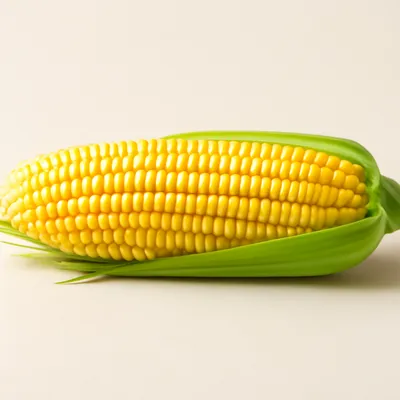
Loosen 400g fresh wide rice noodles by hand with 1 tsp oil. Pluck 30g holy basil (krapao, NOT Thai sweet basil horapha — leaves are smaller, jagged, peppery-clove). Quarter 4 Thai eggplants (makua pro). Halve 6 baby corn lengthwise.
- 24 min
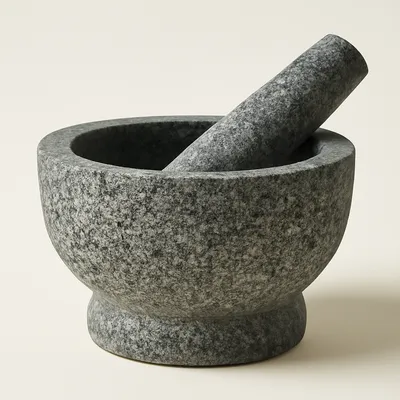
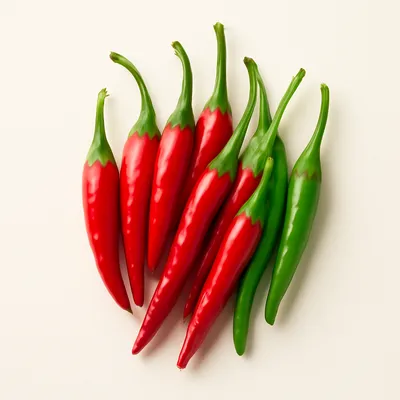
Pound to coarse paste in mortar: 8 garlic cloves, 6-10 fresh bird's-eye chiles (prik kee noo), pinch salt. The paste is the flavour engine — don't substitute pre-minced jarred garlic.
- 31 min
Mix sauce: 2 tbsp oyster sauce, 1 tbsp light soy, 1 tbsp dark soy, 1 tbsp fish sauce (nam pla), 1 tsp sugar.
- 42 min
Carbon-steel wok on highest flame, smoking. 2 tbsp oil, then the chile-garlic paste — fry 20 seconds until raw edge gone, kitchen will cough. Add 200g sliced chicken or pork; sear 60 seconds.
Watch outGet the empty wok smoking before the oil goes in — a cool wok stews the aromatics instead of searing them and you lose the wok-hei entirely.
- 52 min
Add eggplant and baby corn; toss 60 seconds. Add noodles and sauce around the rim. Fold-toss 90 seconds — don't break the strands.
Watch outToss fast and fold under the noodles rather than stir hard — the wide strands tear easily and broken noodles turn it to mush.
- 61 min
Off heat. Add holy basil in a fistful and fold once or twice — residual heat wilts it without killing the clove-pepper aroma. Plate. Eat now.
Watch outKill the heat before the holy basil goes in and fold just once or twice — fry it on the flame and the leaves blacken and the clove-pepper aroma dies.
Archive tool suggestions — not reviewed
These legacy suggestions have not been evidence-reviewed and are not presented as required tools.