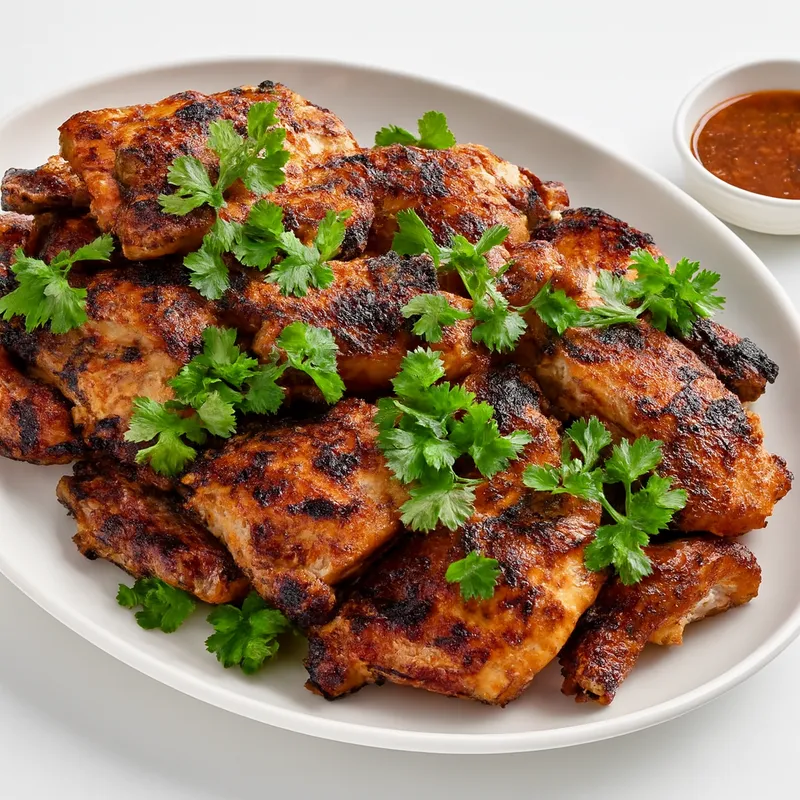
Southern Thai fried chicken marinated in pounded coriander root, garlic, white pepper, and soy — deep-fried until crackly and showered with crisp fried shallots.
Hat Yai-style fried chicken originates in the city of Hat Yai in Songkhla province, the largest commercial hub in southern Thailand. The Hat Yai style — coriander-root-and-white-pepper marinade, light rice-flour dredge, fried-shallot topping — distinguishes it from central-Thai gai tort. Hat Yai sits near the Malaysian border and historically traded with Penang and Kedah; Chinese immigrants — predominantly Hakka and Teochew — ran much of the city's restaurant trade and shaped this fried-chicken tradition. Today the dish is a national breakfast and street-food staple, sold by chains like Decha Hat Yai and countless roadside stalls.
Hat Yai (Songkhla province) fried chicken — coriander root and white pepper marinade, rice-flour dredge, fried-shallot crown. Double-fry: 160°C cooks through, 180°C shocks the crust crackly. Skip either temperature change and the chicken goes raw or soft.
The skin shatters audibly — a thin lacquered crust, deep mahogany from the soy. Underneath, white pepper hits before the salt does, then garlic and that musky-citrus thing only coriander root has. The shallot confetti on top is sweet and oil-toasted, a textural counterweight. Pulled apart, the meat steams, juicy. If the skin is soggy, the second fry was skipped or the oil was below 180°C; if it tastes only of soy, the coriander root was cheated for stems.
Three details carry this dish. Coriander root (not stem, not leaf) — it has a deeper, almost root-vegetable musk that survives frying; the leaf burns off and the stems are watery. Rice flour, not wheat — rice flour fries to a glassy, brittle crust without absorbing oil; wheat flour goes leathery. Double-fry: first at 160°C cooks through, second at 180°C drives out steam from the crust and shocks it crackly. Skip either temperature change and the chicken is either raw inside or soft outside.
Variations
Decha Hat Yai (the city's chain reference); Khao Mun Gai Hat Yai (with chicken-fat rice and sweet soy); Tha Pho-style adds curry-leaf to the dredge; Penang-Hokkien diaspora version (across the Malaysian border) uses light-soy heavier and skips the shallot.
On the Palate
Where Gai Tort Hat Yai sits in the Thai flavor cloud
Ingredients
Serves 4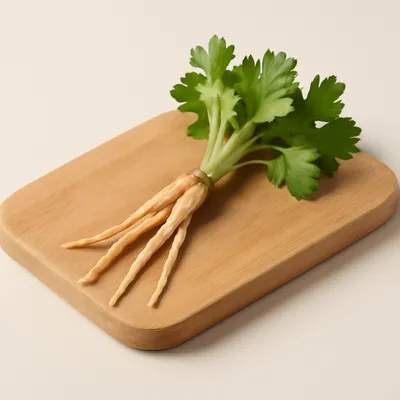





How it's made
6 steps · 30 min active + 1 hour waiting
- 16 min
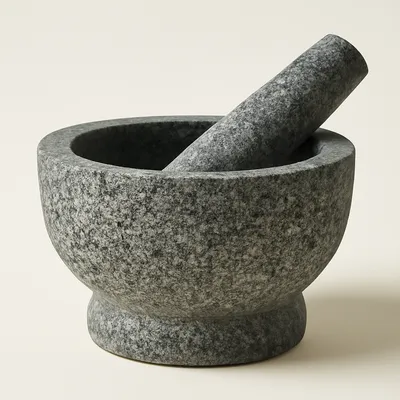
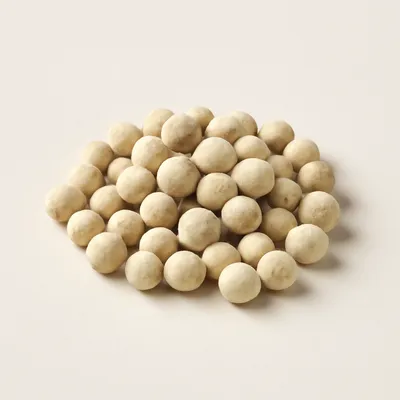
Pound 6 coriander roots (rakkrabue), 8 garlic cloves, 1 tbsp white peppercorns into a coarse paste in a granite mortar — 5 minutes. The root, not the leaf, carries the flavour; if you can only find stems, double the quantity.
- 25 min
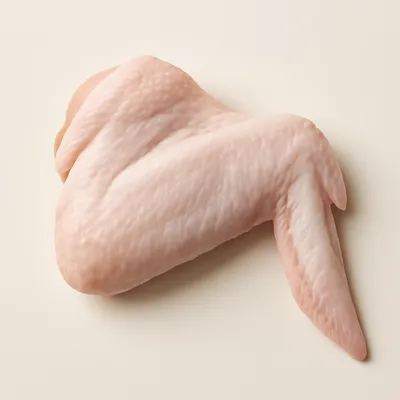
Mix the paste with 3 tbsp Thai thin soy sauce, 1 tbsp oyster sauce, 1 tbsp palm sugar, 2 tbsp fish sauce. Coat 1.2kg bone-in chicken (drumsticks, thighs, wings) thoroughly. Marinate 1 hour, ideally overnight refrigerated.
- 36 min
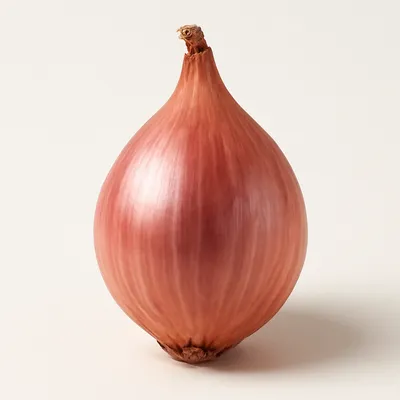
Slice 6 small Asian shallots paper-thin. Fry in 200ml neutral oil at 140°C, stirring constantly, until light gold — 4-5 minutes. Pull at light gold, NOT brown — they keep cooking on paper towel. This is the topping (hom jiao).
Watch outPull the shallots at pale gold, never brown — they keep darkening on the paper towel, and if you wait for brown in the oil they turn bitter.
- 43 min
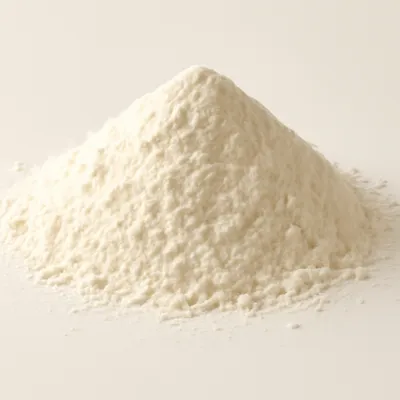
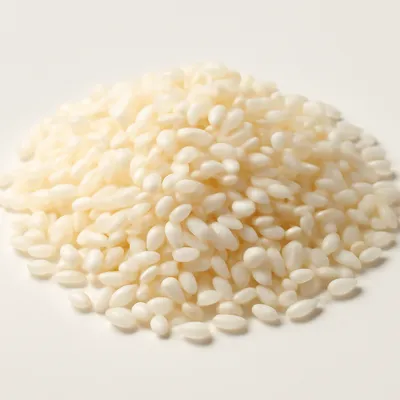
Toss the marinated chicken in 4 tbsp rice flour — a thin coating, not a batter. The rice flour locks moisture and creates the signature crackle.
Watch outToss the chicken in rice flour, not wheat, and only a thin dusting — rice flour fries to a glassy brittle crust without soaking up oil; wheat would go leathery.
- 525 min
Heat 1L neutral oil in a wok to 160°C. Fry chicken in 2 batches — drumsticks 12 minutes, thighs 10, wings 7. Internal 78°C. Drain on a rack. Raise oil to 180°C and re-fry each batch 90 seconds for crackle.
Watch outFirst fry at 160 degrees to cook through, then raise to 180 and fry each batch 90 seconds more — the second heat drives the steam out of the crust and shocks it crackly; skip it and the outside stays soft.
- 62 min
Pile onto a plate. Shower with the fried shallots and a fistful of fried sweet basil. Serve with sticky rice and nam jim sweet-chile sauce.
Archive tool suggestions — not reviewed
These legacy suggestions have not been evidence-reviewed and are not presented as required tools.