
Gai tod is the everyday Thai fried chicken sold at markets and roadside stalls across the country, not tied to any single region. Bone-in pieces — usually wings, drumsticks, and thighs — are marinated in fish sauce, pounded garlic, and white pepper, often with a little turmeric for a golden cast and sometimes rice flour for crunch, then deep-fried until the skin crackles. It is eaten by hand with a basket of sticky rice and a dipping sauce: a thick sweet-chili nam jim kai, or, especially in the northeast, the sour-savory jaew. Unlike the soy-and-shallot Hat Yai style of the deep south, the everyday version leans on the salty-umami fish-sauce cure rather than a heavy crust or topping.




Gai tod is a ubiquitous Thai street and market food rather than a dish with a recorded inventor or founding date; its exact origin is unrecorded. Deep-frying chicken seasoned with a pounded paste of garlic, coriander root, and white pepper bound with fish sauce belongs to a long-standing Thai home- and stall-cooking idiom, and the dish is sold nationwide alongside sticky rice as a portable, hand-eaten staple. It is distinct from the regional Gai Tort Hat Yai of Songkhla province in the deep south, which is defined by a coriander-root-and-soy marinade, a light rice-flour dredge, a double-fry, and a topping of crisp fried shallots; the pan-Thai everyday version instead foregrounds a fish-sauce, garlic, and white-pepper cure (sometimes with turmeric) and is served with a sweet-chili or jaew dip.
The crust shatters at first bite, golden and faintly turmeric-warm, giving way to meat that steams and runs juicy. The seasoning reads salt and garlic first, then the floral, almost piney heat of white pepper rising at the back of the palate. A pinch of warm sticky rice cools and rounds each bite; the dip swings it one of two ways — the thick sweet-chili nam jim kai pulls it sweet and tangy, while a spoon of jaew turns it sour, smoky, and savory with the grit of toasted rice. If the skin is greasy rather than crisp, the oil ran too cool; if it tastes flat, the marinade was rushed.
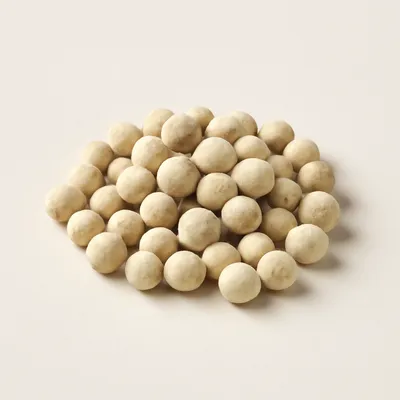
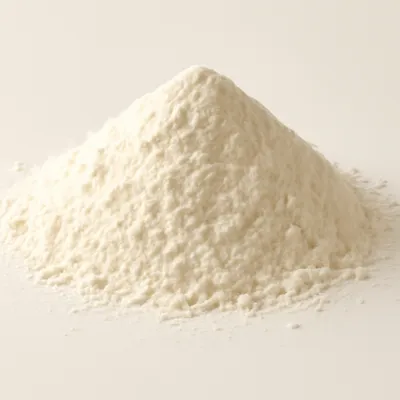
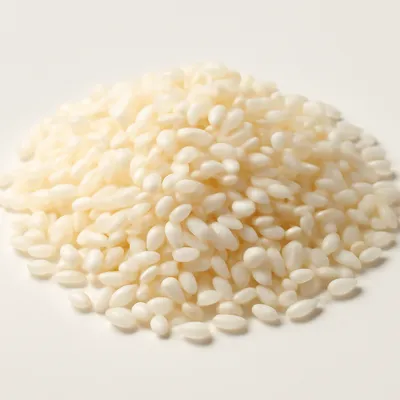
Fish sauce is the engine of the cure: it is both the salt and the glutamate source, and because it is liquid it penetrates the meat far deeper than a surface dusting of salt, seasoning the chicken through and drawing in moisture that keeps it juicy — so the marinade is best given an hour or more, ideally overnight. Garlic and white pepper add aromatics; white pepper brings a floral, musky heat without the dark fleck of black pepper, and optional turmeric contributes the golden color and a faint earthiness. The coating choice matters: rice flour, being gluten-free, fries to a thin, glassy, brittle shell and absorbs roughly half the oil that wheat flour does — its starch gels on contact with hot oil, sealing the surface and slowing oil entry — so a rice-flour or rice-flour-blended coat stays crisp longer and less greasy than plain wheat. Frying oil held around 170-180°C is the pivot: hot enough to flash the surface crisp and drive off steam before the crust soaks oil, but not so hot that the outside scorches before the bone-in pieces cook through.
Variations
The best-known regional cousin is Gai Tort Hat Yai from the deep south — marinated with coriander root and soy, lightly dredged in rice flour, double-fried, and crowned with crisp fried shallots; it is sold by Hat Yai-named chains and stalls nationwide. Some vendors stretch the coating into a thin rice-flour or even glass-noodle-strewn batter for extra shatter, while turmeric-forward stalls (common in the south) push a deeper golden, more savory bird. The dip is the other axis of variation: most central and everyday stalls offer the thick sweet-chili nam jim kai, whereas northeastern (Isan) tables favor jaew — fish sauce, lime, chili flakes, sugar, and toasted rice powder — eaten with sticky rice.
On the Palate
Where Gai Tod sits in the Thai flavor cloud
Ingredients
Serves 4

How it's made
7 steps · 1 hour 10 min
- 18 min
Cut chicken into bone-in pieces (wings, drumsticks, thighs) and pat dry.
- 25 min
Pound garlic and white pepper to a coarse paste, then mix with fish sauce and a little turmeric.
- 360 min
Coat the chicken in the marinade and rest, refrigerated, for at least 1 hour or overnight.
Watch outMarinate the chicken at least an hour, ideally overnight — the liquid fish sauce seasons deep into the meat and draws in moisture to keep it juicy.
- 45 min
Lightly dredge each piece in rice flour, shaking off the excess.
- 55 min
Heat frying oil to 170-180°C.
- 612 min
Fry the chicken in batches until golden and cooked through, about 10-12 minutes, keeping the oil in range.
Watch outFry in batches and keep the oil at 170–180 degrees — crowding drops the temperature so the coating soaks up oil and turns greasy instead of glassy and crisp.
- 73 min
Drain on a rack and serve hot with sticky rice and sweet-chili (nam jim kai) or jaew dip.


