
Crisp deep-fried spring rolls wrapped in thin wheat skins around a stir-fried filling of glass noodles, shredded cabbage, carrot, and minced pork, served hot with a thin sweet-tart dipping sauce. A standard Thai street and night-market snack and a fixture on restaurant starter menus. The rolls are slim and rod-shaped, fried to a deep blistered gold, and eaten by hand straight from the oil. Their direct ancestor is the Chinese spring roll, brought south by Hokkien and Teochew settlers and rebuilt around Thai seasoning and a sweeter dip.


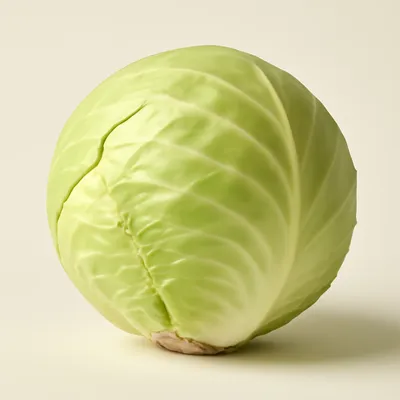


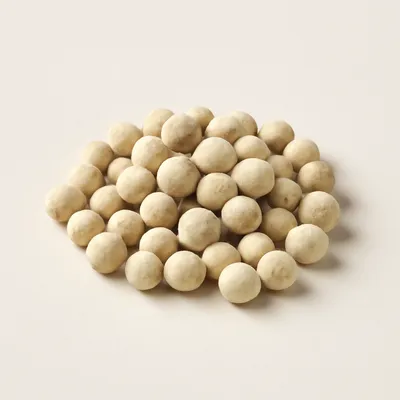
The fried spring roll is Chinese in origin — a lineage Thai cooks readily acknowledge. Hokkien and Teochew migrants who settled along the Chao Phraya from at least the Ayutthaya era brought the rolled-and-fried wheat-skin format that the Thai name itself preserves: po pia derives from the Hokkien word for the thin wheat wrapper (popiah). Thai kitchens adapted the filling toward glass noodle, cabbage, and pork seasoned with fish sauce and white pepper, and crucially paired the rolls with a sweet-and-sour plum-and-chili dip rather than a Chinese hoisin or vinegar dip. The crisp deep-fried version (tod = fried) is the snack form; the unfried fresh-wrapper version (po pia sod) is its soft sibling.
A clean snap as the blistered shell shatters, then a tangle of soft glass noodle and cabbage inside, savory with pork and white pepper. The wrapper is the point: it should be glassy-crisp and barely greasy, holding its crunch even after the dip. The sauce is thin and bright — sweet first, then a vinegar tang and a low chili heat — meant to be a coating, not a puddle. Cucumber and a sprig of cilantro on the side keep it from cloying.
Crispness is built before the oil: the filling must be cooked and cooled dry, because steam trapped inside a sealed roll is what turns a wrapper soggy. Stir-frying the glass noodle and vegetables first drives off moisture and lets residual liquid evaporate before rolling. The thin wheat skin fries differently from a thick one — at 170-180°C its surface dehydrates and blisters almost instantly while the starch sets into a rigid glass, so the roll holds shape; too cool an oil lets it absorb fat and go limp, too hot scorches the skin before the seam seals. A flour-water paste glues the final flap so the roll doesn't unfurl and drink oil. Frying twice — once to cook, once hotter to crisp — gives the deepest blister, the same logic as double-fried chicken.
Variations
Pork-and-glass-noodle is the everyday default; vegetarian rolls swap in taro, bean sprout, and shiitake; crab or shrimp versions appear at restaurants. A larger taro-and-coconut sweet roll exists as a dessert form. Some cooks use a thin egg-batter skin instead of wheat for an extra-shattering shell, and the dip ranges from a clear plum sauce to a sweet chili (nam chim kai) when the cook is busy.
On the Palate
Where Po Pia Tod sits in the Thai flavor cloud
Ingredients
Serves 4


How it's made
8 steps · 35 min active + 15 min waiting
- 110 min
Soak glass noodles in warm water until pliable, drain, and cut into short lengths.
- 26 min
Stir-fry minced pork with garlic and white pepper until cooked, then add shredded cabbage and carrot and toss until just wilted.
- 35 min
Add the glass noodles, season with fish sauce and a little sugar, and stir-fry until the mixture is dry; spread on a tray to cool completely.
Watch outStir-fry the filling until it's completely dry with no pooling liquid, then cool it right down — trapped steam is exactly what turns the wrapper soggy in the oil.
- 42 min
Mix a little flour with water into a thick paste to use as edible glue.
- 512 min
Place a spoon of cooled filling near one corner of a spring-roll wrapper, fold the corner over, fold in the sides, roll tightly, and seal the final flap with flour paste.
- 68 min
Heat oil to 170-180°C and fry the rolls in batches until deep gold and blistered, turning for even color; drain on a rack.
Watch outFry at 170–180°C until the skin blisters and turns deep gold — too cool and the roll drinks oil and goes limp, too hot and it scorches before the seam seals.
- 73 min
For extra crispness, fry a second time at a slightly higher heat for under a minute.
- 85 min
Simmer plum sauce, sugar, vinegar, and a little chili into a thin dip; serve the rolls hot with the dip, cucumber, and cilantro.


