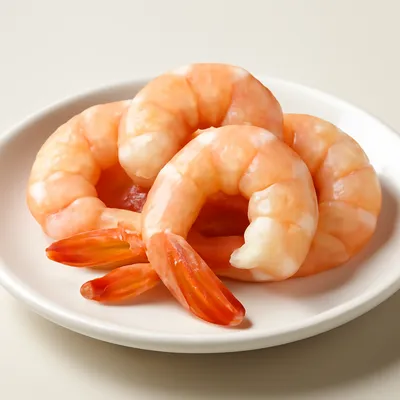
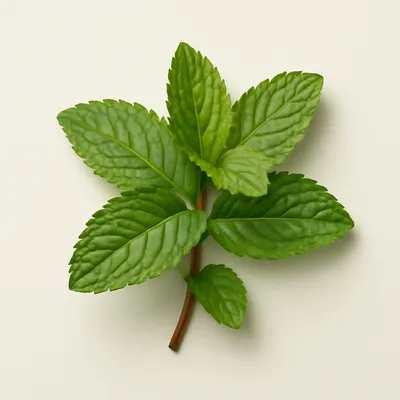
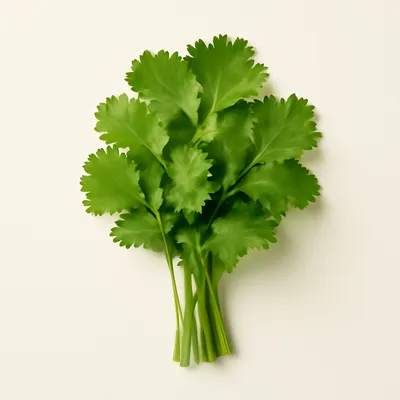


Southern Vietnamese in origin, the fresh cousin of fried cha gio. The format took its modern shape in the Mekong Delta and Saigon through the early-to-mid 20th century, as a no-cook way to use the morning's market shrimp, leftover boiled pork, and cold vermicelli — a household assembly dish before it became a restaurant standard.
Southern Vietnamese fresh roll — poached shrimp, pork belly, vermicelli, mint, lettuce, garlic chive wrapped in dampened rice paper. The chive sticking out one end is structural, not decoration. Hoisin-peanut sauce is the southern dip; nuoc cham is northern.
Translucent rice-paper rolls cold to the touch, packed tight enough that the pink shrimp halves and curl of pink-edged pork show through the skin. Cut on the diagonal at the table to expose the cross-section. Texture is mostly cold and wet — lettuce crunch, vermicelli softness, herb sharpness — with the shrimp providing the only chew. The peanut-hoisin sauce is the flavor; the roll is structural.
Order of stacking inside the wrapper matters more than people realize. Lettuce goes flat first against the rice paper to give a soft cushion; then noodles and herbs; shrimp halves go cut-side-down on the last layer rolled — that's why finished rolls show the pink so cleanly. Roll loose and the wrapper splits when cut; roll tight and dry-feeling and the texture goes rubbery.
Variations
Goi cuon tom thit (shrimp + pork, canonical); goi cuon chay (vegetarian, tofu and mushroom); bi cuon (pork-skin shreds and roasted-rice powder); bo bia is the smaller southern roll with Chinese sausage and dried shrimp; nem cuon (northern name).
On the Palate
Where Goi Cuon sits in the Vietnamese flavor cloud
Ingredients




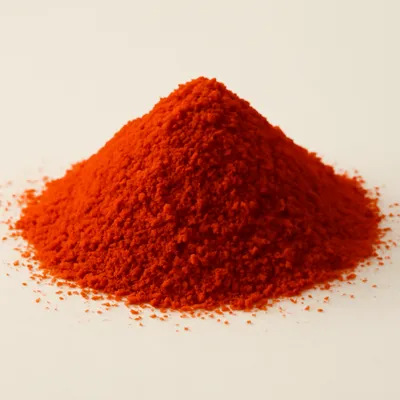
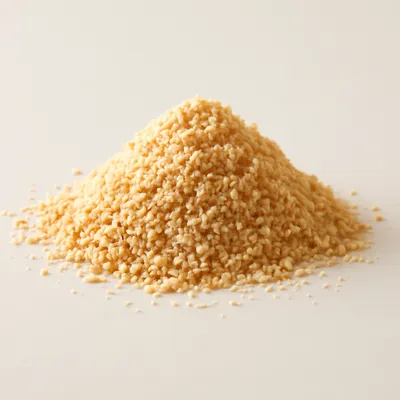
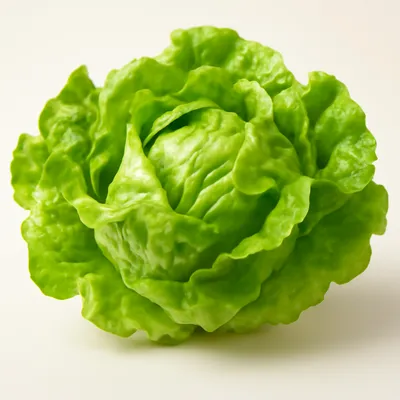


How it's made
4 steps · 12 min
- 12 min
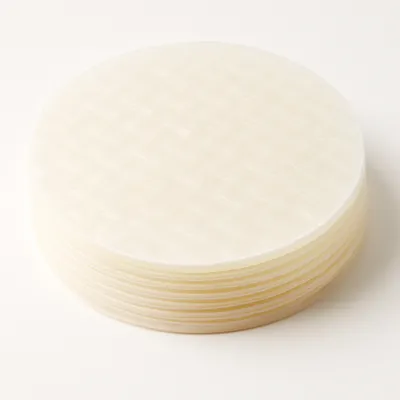
Fill a shallow dish with warm water. Quickly dip a sheet of bánh tráng into the water until it's pliable but not soggy. Lay it flat on a clean plate.
Watch outPull the sheet out while it's still a little firm and just bendable — it finishes softening on the plate; wait for fully floppy in the water and it's already overdone.
- 23 min
Arrange a few shrimp, a leaf of lettuce, mint, cilantro, and some cooked vermicelli noodles in the center of the bánh tráng. Add a slice of pork if desired.
Watch outLay the lettuce flat against the wrapper first as a soft bed, then the noodles and herbs — a cushion under everything keeps the sharp shrimp and bean sprouts from poking through.
- 32 min
Roll the bánh tráng tightly from the bottom, tucking in the sides as you go, to form a neat, compact roll. The edges should seal easily once rolled.
Watch outRoll snug and even, tucking the sides as you go — firm enough to hold under a knife, but not so tight and dry that the wrapper goes rubbery.
- 45 min
Prepare the dipping sauce by mixing hoisin sauce with a splash of coconut water, stir-frying with minced garlic and sugar until fragrant. Finish with a sprinkle of chili powder and ground peanuts.
Watch outDon't let the garlic burn — it should be golden and aromatic.