Zigong's Fresh-Wok Rabbit is the crowd-pleasing centrepiece of Sichuan's salt-town table: bone-in young rabbit stir-fried over a roaring flame with fresh green and red chili, young ginger, and Sichuan peppercorn, then briefly simmered in broth and brought to the table in a wide, steaming basin. Where the city's famous cold-eating rabbit leans dry and concentrated, this dish leads with brightness — the raw, vegetal heat of fresh chili rather than the smokiness of dried spice. Velveting the rabbit in egg white and starch before the wok locks in every drop of moisture, keeping each piece tender despite the punishing heat. The result is bold and numbing, yet clean on the finish: the definitive Zigong stir-fry.



Zigong built its wealth on salt — caravans of brine-hauling oxen once defined the city's economy — and its salt-merchants' cuisine (盐帮菜) took shape during the Qing dynasty's Xianfeng and Tongzhi reigns, roughly 1851 to 1874, prized for bold, heavy, complex seasoning. At that time beef was the dominant protein: the animals that powered the salt works were butchered when their working days ended, giving Zigong its celebrated beef dishes. Rabbit's rise was more recent; eating rabbit at scale in Zigong dates back no more than a few decades, yet the habit took hold with remarkable intensity — the city now consumes roughly 100 million rabbits a year, around 40 per person, about ten times the Sichuan average. By the late twentieth century, cooks began adapting an older two-pepper rabbit dish (双椒兔), swapping dried chilies for fresh and plain water for broth, centering the dish on natural brightness rather than preserved depth. That shift crystallized into Fresh-Wok Rabbit, a modern salt-town classic. In 2015, the New York Times singled it out when recommending the cuisine of Zigong to international readers.
Bone-in rabbit pieces, pre-velveted so their surface is just set and faintly silky, arrive tumbled with vivid green two-pointed chilies and pale-gold slivers of young ginger in a basin of fire-red broth. The first flavor is a clean, vegetal heat — not the deep smokiness of dried chili but the bright, almost grassy sting of a fresh pepper. Young ginger arrives a half-second behind, warm and sharp. Sichuan peppercorn threads an electric, buzzing tingle across the tongue that outlasts both. The rabbit is nearly fatless, closer in texture to a tender chicken thigh than pork — lean, slightly springy, and clean on the finish. The Zigong way: pour the red broth over plain white rice and eat them together until both are gone.
Two technique pillars uphold the freshness the dish promises. First, velveting (上浆): marinating the rabbit in egg white and starch coats each piece in a thin protein film that sets on contact with hot oil, sealing moisture in and giving the surface a silky resistance — the same principle as Cantonese smooth-fry (滑炒). Second, fresh versus dried chili: the two-pointed peppers and small hot chilies used here contain high water content and release capsaicin alongside grassy, vegetal aromatics when they hit the wok, producing a bright, wet heat rather than the deep, char-edged burn of dried peppers. Young ginger's heat comes from volatile zingerone and shogaol compounds that vaporize rapidly at high temperature, arriving in a short aromatic burst just after the chili's initial sting — building a layered, sequential heat rather than a single blunt punch. Broth brings dissolved glutamates and nucleotides from the bones that lift the overall umami, making the finished dish more dimensional than the sum of its chili ingredients.
Variations
Zigong restaurants often substitute hemp pepper (藤椒) for standard Sichuan peppercorn, prizing its more citrusy and floral numbing quality — locals call this version hemp-pepper fresh-wok rabbit. A pickled-vegetable variation adds preserved mustard greens or soaked chilies for acidity that cuts the richness. Some cooks deglaze with fermented glutinous rice wine (醪糟) for a faintly sweet undertone. Chengdu and Chongqing restaurants tend to increase doubanjiang and darken the broth into a heavier red-braised style, drifting away from Zigong's fresh-first ethos — popular outside the salt town but considered a dilution by local cooks.
On the Palate
Where Fresh-Wok Rabbit sits in the Chinese flavor cloud
Ingredients
Serves 4
How it's made
7 steps · 25 min
- 120 min
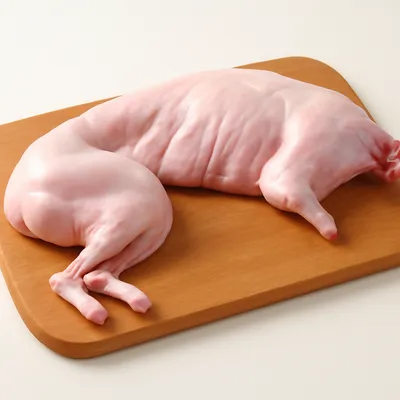
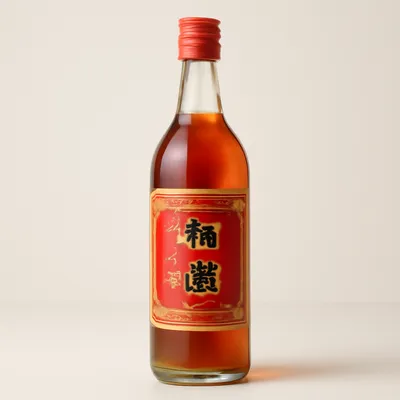
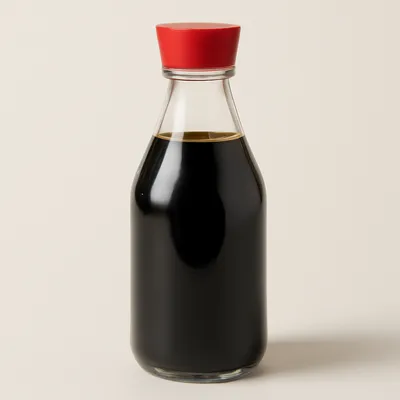
Chop fresh rabbit into bone-in pieces about 3–4 cm. Combine with dark soy sauce, Shaoxing wine, a pinch of salt, one egg white, and starch; massage to coat and marinate for 20 minutes.
Watch outCoat each piece in egg white and starch so a thin film forms; on hot oil it sets instantly and seals the juices in for that silky bite.
- 25 min
Meanwhile, slice young ginger into fine matchsticks; cut green and red chilies diagonally into rings; smash and peel garlic. Measure out Sichuan peppercorn and doubanjiang. Have everything within reach before lighting the wok.
- 35 min
Heat wok over high heat and add rapeseed oil to a depth of 2–3 cm. Working in two batches, add the rabbit and stir-fry until the surface just firms and takes on a little color, 2–3 minutes per batch; remove with a slotted spoon and drain.
- 42 min
Pour off most of the oil, leaving a thin slick. Fry doubanjiang over medium heat until the oil runs red and smells toasty, about 1 minute. Add Sichuan peppercorn, garlic, and young ginger; stir-fry 30 seconds until very fragrant.
Watch outFry the doubanjiang until the oil runs red and smells toasty before anything else goes in — that red oil is the flavour base.
- 53 min
Return the rabbit to the wok; add all the fresh chili rings and toss to combine. Splash remaining Shaoxing wine around the wok edge; pour in broth to nearly cover the rabbit and bring to a hard boil.
Watch outAdd the fresh chilies late and cook hot and short — their heat is bright and wet, and long cooking dulls it to a flat burn.
- 67 min
Cook on high heat for 5–7 minutes until the broth reduces slightly and the rabbit is just cooked through. Taste and adjust seasoning with salt and a small pinch of sugar; toss once more.
- 72 min
Transfer everything — rabbit pieces, chilies, ginger, and all the broth — into a large serving bowl. Scatter sliced scallion and serve immediately while steaming.


