
A Liuzhou claypot built on the same river-snail broth as the city's famous luosifen, but a braise rather than a noodle bowl. Skin-on duck feet are deep-fried until golden and blistered, then soaked to draw off excess fat and open the skin, and slow-cooked in a rich, spicy sour broth simmered for hours from river snails (螺蛳), larger field snails, pork bone and chicken with sour pickled bamboo shoot, dried chili and whole spices. River snails go in too, to be sucked from the shell. The duck feet turn soft and gelatinous, soaking up a broth that is sour, fresh, hot and fragrant; it is eaten hot from the pot as a shared dish and a classic thing to drink over.




Snail-and-duck-feet claypot is a Liuzhou dish that grew directly out of the city's luosifen culture: cooks already simmering river-snail stock for the noodle extended the same broth to braise duck feet, and the dish rose to popularity in the years after luosifen became a nationwide craze. Its exact inventor and date are unrecorded, and it is best described as a recent Liuzhou specialty rather than an old one. What is firm is the broth lineage — the sour-snail base of 螺蛳粉, itself built on river snails, sour pickled bamboo and chili, the flavor profile for which Liuzhou is now known across China. The claypot is a sit-down, share-and-drink dish that stands apart from the takeaway noodle, and it has become one of the city's signature ways to eat the snail broth off the noodle.
The duck feet come out of the pot soft and yielding, the skin and webbing turned to silky gelatin that you gnaw off the fine bones, each one slick with broth. The liquor itself is the star: deeply sour from the pickled bamboo, hot with chili oil, and carrying the muddy-sweet richness of long-cooked snails over a savory pork-and-chicken base, with the warm back-note of star anise and cloves. River snails are sucked from the shell with a slurp. Done well the feet are tender to the bone but not falling apart, the broth thick with collagen and balanced between sour and hot; done badly the feet are rubbery and greasy because the frying-and-soaking step was skipped, or the snails taste gritty and muddy because they were not purged of sand.
Two transformations carry the dish. First the duck feet: deep-frying skin-on feet until they blister sets the skin and renders surface fat, and a soak in water afterward swells that crackled skin and lifts off excess grease, opening micro-gaps between skin and bone so the braising liquid soaks in — without this step the feet stay tight, greasy and rubbery. Long braising then breaks down their abundant collagen into gelatin, which is what gives the soft, sticky, lip-coating texture and thickens the broth. Second the broth: river snails are purged in clean water for a day or more to spit out sand, then stir-fried and simmered for hours with pork bone and chicken so their amino acids and minerals dissolve into a savory, slightly funky stock. The signature sour is fermented, not vinegared — sour bamboo shoot is lactic-acid-fermented, its tang from the lactic acid bacteria produce — while dried chili and a spice bundle of star anise, cloves and bay are simmered in for heat and aroma. The claypot holds the heat and keeps the feet and snails bathing in the broth at the table.
Variations
The dish belongs to a family of Liuzhou snail-broth braises spun off from luosifen: shops serve 螺蛳鸡爪煲 with chicken feet, and pile in add-ins — fried tofu puffs (豆腐泡), quail eggs, lotus root, pork knuckle, sausage, kelp and greens — much as luosifen toppings vary. Some kitchens lean the broth more sour, others more chili-hot or numbing with extra Sichuan pepper. It is the close cousin of, and constantly confused with, 螺蛳粉 itself, but luosifen is a takeaway soup-noodle while the claypot is a sit-down braise; the snail broth is the shared parent of both. The same idea also appears as a hotpot, the pot of snail broth kept boiling at the table for diners to cook ingredients in.
On the Palate
Where Liuzhou Snail and Duck Feet Claypot sits in the Chinese flavor cloud
Ingredients
Serves 3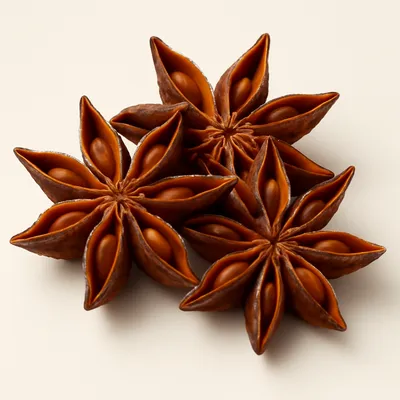



How it's made
7 steps · 50 min active + 2 hours 30 min waiting
- 130 min
Purge live river snails and field snails in clean water for a day or more, changing the water, so they spit out the sand; clip the tail tips off the shells.
Watch outPurge the live snails in clean water for a day or more, changing it — this is what makes them spit out the grit; rush it and every bowl is sandy.
- 2150 min
Stir-fry the snails in a dry or lightly oiled wok over high heat to drive off water and clean them, then simmer with pork bone and chicken for two to three hours to build a rich snail stock.
- 370 min
Clip the nails off the duck feet, then deep-fry the skin-on feet until golden and blistered; lift out and soak in water for about an hour to draw off excess fat and open the skin.
Watch outDeep-fry the duck feet until blistered, then soak them in water an hour — the soak swells the crackled skin and opens micro-gaps so the braise soaks in; skip it and they stay tight and greasy.
- 44 min
Fry sour pickled bamboo shoot, dried chili, garlic and ginger in oil until aromatic, then add a spice bundle of star anise, cloves and bay leaf.
- 53 min
Add the duck feet and stir to coat, seasoning with fermented bean curd, soy sauce, rice wine, a little sugar and vinegar to set the sour-hot base.
- 660 min
Pour in the snail stock to cover, transfer to a claypot, add the snails, and braise over low heat until the duck feet are soft and gelatinous, about an hour.
Watch outBraise the feet low until soft and gelatinous, about an hour — their collagen has to break down to gelatin for that sticky, lip-coating bite.
- 72 min
Adjust the sour and heat, scatter with scallion and coriander, and bring the bubbling claypot to the table to share hot.
Archive tool suggestions — not reviewed
These legacy suggestions have not been evidence-reviewed and are not presented as required tools.


