Three Taihu Lake species — whitefish, white shrimp, icefish — cooked simply, served separately on three plates.




Taihu Lake straddles southern Jiangsu and northern Zhejiang; the Suzhou and Wuxi shores have eaten its three white species since at least the Tang dynasty, and Wuxi's Taihu specialty restaurants formalized the trio menu in the late Qing. The 'three whites' name fixes a culinary rule local diners enforce strictly: out-of-season versions (frozen, farmed, or substituted) are dismissed as fake. Legitimate season is April through June and September through October.
The Suzhou-Wuxi shore of Taihu has eaten the trio since the Tang. Legitimate season is April-June and September-October; out-of-season frozen or farmed versions are dismissed locally as fake. Eight minutes is the steam ceiling for whitefish.
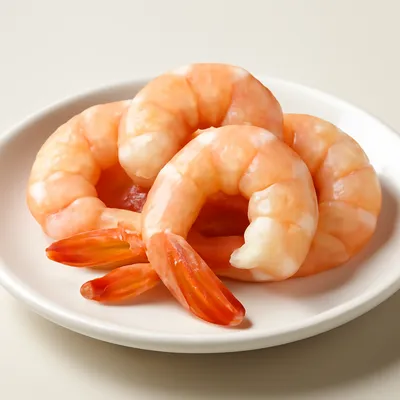
Three plates arrive together. The whitefish is sweet and faintly mineral, like a Taihu Lake clam stretched into a fillet — flesh slips off the bones in one curved sheet. White shrimp is eaten whole, shell soft from the wine cure, sweet enough to taste candied. Icefish is folded into barely-set egg — the tiny whole fish cooked through but still showing as silver lines in pale yellow custard (the classic 银鱼炒蛋/icefish-and-egg). No one dish out-talks the others.
All three dishes share a single rule: do as little as possible. The three whites die the instant they leave the water and spoil almost as fast, so the lake taste lives only in fish cooked fresh at the shore or on the boat; heavy heat and seasoning bury it. Eight minutes is the steam ceiling for whitefish; the wine cure for shrimp keeps them at room temperature; the icefish-egg is pulled off heat at the moment of setting. Anything more aggressive (frying, braising, sauce) and the lake taste disappears.
Variations
Suzhou Wuxiang-Taihu shore keeps it austere — wine cure for shrimp, no soy; Wuxi Liyuan restaurants add a touch of rock sugar; Huzhou's southern Taihu side fries the whitefish lightly.
On the Palate
Where Taihu Three Whites sits in the Chinese flavor cloud
Ingredients
Serves 4




How it's made
5 steps · 30 min
- 18 min
Whitefish: scale and gut a 600g Taihu whitefish (bai yu), keep whole. Score both sides three times, rub lightly with salt and rice wine. Lay on a plate over thin slices of cured Jinhua ham and ginger.
- 210 min
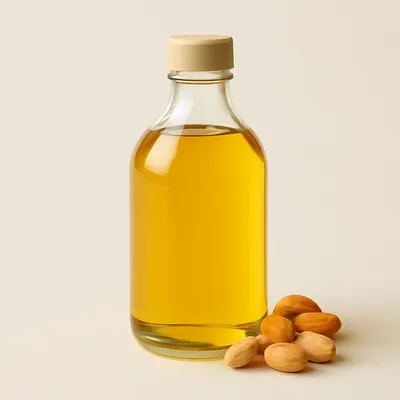
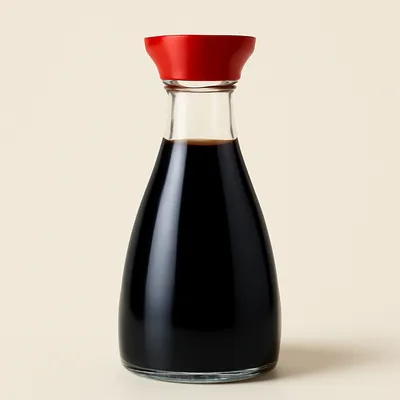
Steam the whitefish over high heat for exactly 8 minutes for a 600g fish — eyes should bulge, dorsal flesh should just flake. Pour off accumulated water. Top with shredded scallion and ginger; pour over 2 tablespoons of 200°C peanut oil to bloom the aromatics, then a splash of seasoned soy.
Watch outSteam a 600g whitefish exactly 8 minutes — the eyes bulge and the back flesh just flakes; a minute over and the delicate lake taste turns to cottony overcooked fish.
- 35 min
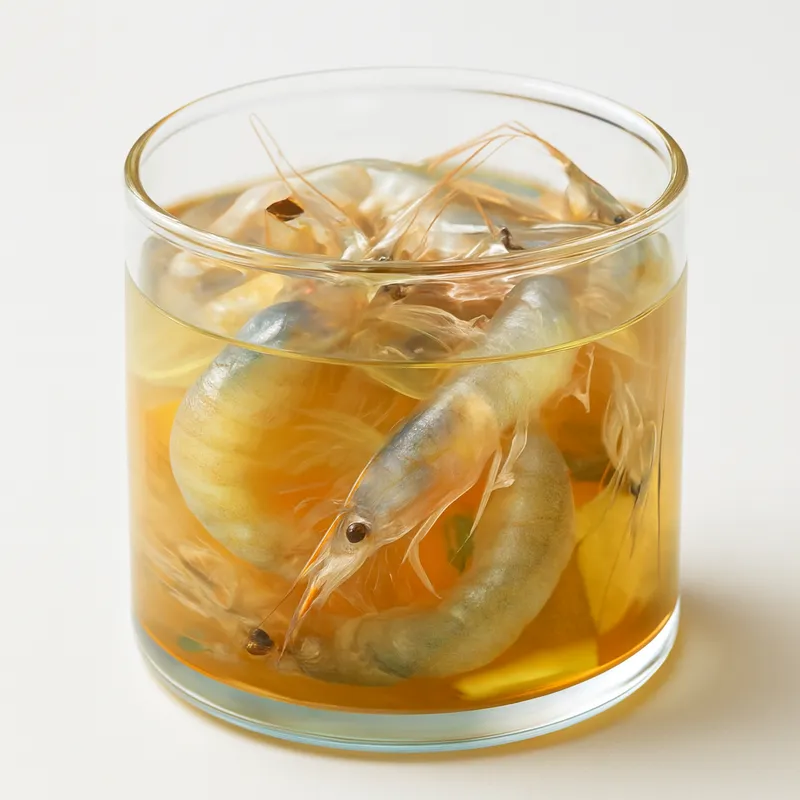
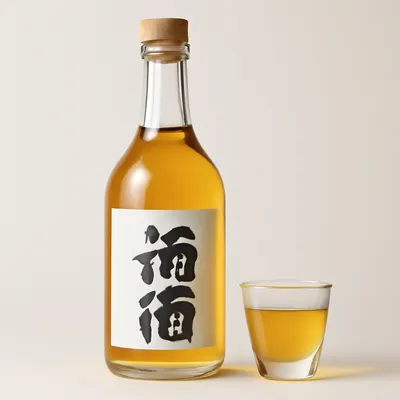
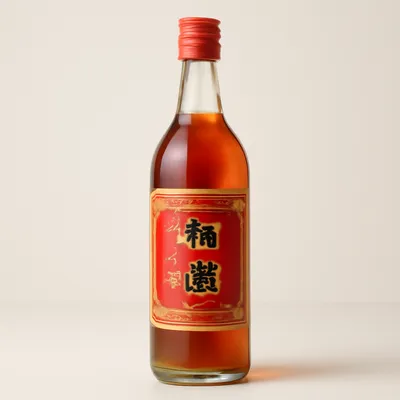
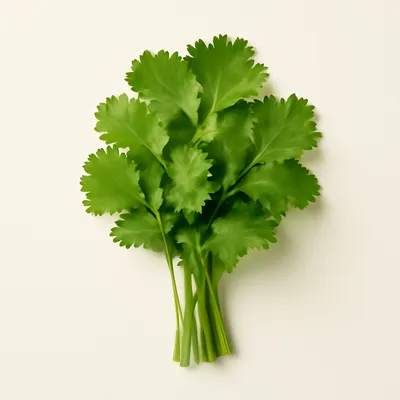
White shrimp: 250g live Taihu white shrimp (bai xia), heads on, shells intact. Marinate in Shaoxing wine, salt, and a pinch of sugar for 5 minutes — this is the cooking. Drunken-style, no heat. Garnish with whole goji and fresh coriander.
Watch outThe wine cure is the cooking — marinate the raw shrimp just until the shells flush and the flesh firms up translucent; this is drunken-style, so no heat ever touches them.
- 44 min
Icefish: 200g fresh icefish (yin yu, 5cm translucent fish). Rinse gently in salted water, drain. Whisk 3 eggs with a pinch of salt and a few drops of rice wine; fold the icefish in.
- 54 min
Heat 1 tablespoon of lard in a flat pan over medium heat. Pour in the icefish-egg mixture and let it set undisturbed for 90 seconds, then flip in two halves. Slide onto a plate the moment it's set — it must stay tender, not browned.
Watch outPull the icefish-egg the instant it sets — it must stay pale and tender; let it brown and you've lost the whole point, which is the soft clean lake flavor.
Archive tool suggestions — not reviewed
These legacy suggestions have not been evidence-reviewed and are not presented as required tools.