
Chewy glutinous rice cakes are grilled and slathered with sweet bean sauce, spicy chili sauce, and tangy pickled vegetables.
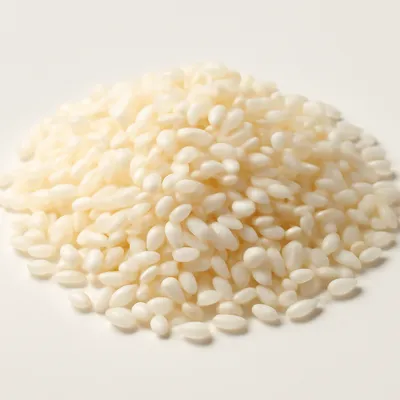


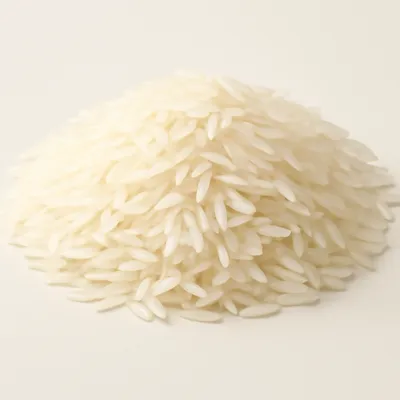

饵块 (ěrkuài) is one of Yunnan's oldest staple foods, predating noodles in the region — the character 餌 is defined in the Han-era 说文解字 as 粉饼 (a rice-grain cake); the steamed-then-pounded 饵块 is the form that distinguishes it from flour-pressed products like rice noodles. The grilled-and-stuffed street form, called 烧饵块 in Kunming, is much later — common cart food from the early Republican era (1920s onward). The cake itself is steamed rice pounded smooth, sliced into rounds and dried.
饵块 is Yunnan's oldest staple — 餌 in Han-dynasty texts (1st century CE), pre-dating noodles in the region. The Kunming street form 烧饵块 is younger, 1920s Republican-era cart food. Made from non-glutinous 粳米; the chew comes from physical pounding, not waxy starch.
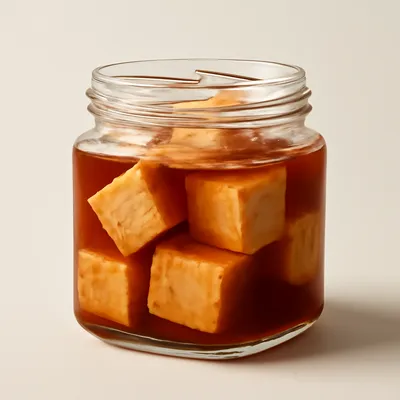
A puffy disk of glutinous rice cake (饵块), grilled over coals until the surface blisters and crackles, then split open and stuffed with whatever's at the cart — sweet bean sauce, chili paste, pickled mustard greens, fried egg, sometimes fermented tofu. Folded in half and eaten on the walk. The outside should be crisp; the inside should still pull and stretch. Cold and it's a brick.
The cake is made from non-glutinous rice (粳米) despite the chewy texture — the chew comes from physical pounding, not from waxy starch. Pounding ruptures starch granules and aligns them, producing a denser, more elastic structure than ordinary cooked rice. The dried cake must be soaked or grilled fresh; reheating in microwave gives a tough, leathery surface, not the blistered crust.
Variations
Kunming roadside stalls fold in sweet-and-savory bean pastes plus pickled mustard; Dali stalls add rose sugar for a sweet version; Tengchong on the Burmese border is famous for 饵丝 (the cut-noodle form), served in pork or chicken broth, and for stir-frying sliced 饵块 with ham, egg and greens — the celebrated dish 大救驾.
On the Palate
Where Yunnan Grilled Rice Cake sits in the Chinese flavor cloud
Ingredients
How it's made
5 steps · 20 min
- 15 min
Shape glutinous rice into small cakes.
- 28 min
Grill the rice cakes until lightly charred.
Watch outGrill hot and fast until the surface blisters and takes a few dark spots — you want a crisp, puffed crust, not a leathery reheat.
- 32 min
Brush with sweet bean sauce and chili sauce.
Watch outBrush the sauces on only after the crust has set, or they'll steam the surface soft instead of glazing it.
- 45 min
Top with pickled vegetables for added crunch.
- 58 min
Serve warm, straight from the grill.
Archive tool suggestions — not reviewed
These legacy suggestions have not been evidence-reviewed and are not presented as required tools.
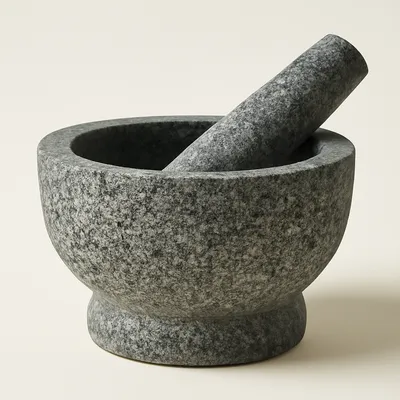
The simplest tool in any kitchen: a heavy bowl and a club to bash things in it. Different cuisines use different stones — Thai cooks pound green papaya in a tall granite mortar (krok hin); pesto Genovese requires the soft-pored Carrara marble; Indian masalas grind down on rough basalt. The bash-don't-cut motion releases volatile oils that a blade keeps sealed in the cell wall.
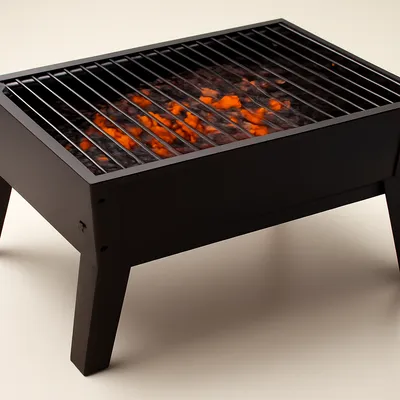
An open or hooded metal frame holding a bed of glowing charcoal embers, with a grate above. Charcoal burns at 700°C+ on the surface and emits short-wave infrared, which cooks proteins faster and with deeper Maillard browning than gas. Hardwood lump charcoal (oak, mesquite, fruitwood) lends its own smoke; cheap briquettes do not. Mastery is mostly heat zoning — direct over coals for searing, indirect off-coals for slow-roasting.


