A Maguindanao street staple: a cylinder of steamed rice topped with kagikit — shredded chicken or beef braised in soy and aromatics until dry — then wrapped tight in a banana leaf. Cheap, portable and quietly fragrant, it is sold by the bundle on the streets of Cotabato and across Muslim Mindanao, most often as a morning meal.





Pastil belongs to the Maguindanao people of central Mindanao and is everywhere in Cotabato, where it is sold cheaply by street vendors and small eateries in Muslim communities. It began as practical, packable food — rice and meat sealed in a leaf to carry on journeys or out to the fields — and the same convenience keeps it popular today. The dish travels under several names across the south; the Maranao version is called pater, and shops that specialize in it are known as pateran.
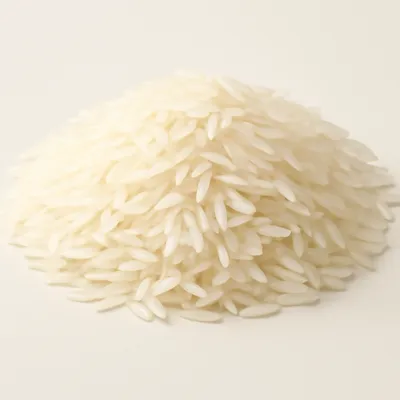
Unwrap the warm leaf and a faint grassy aroma rises with the steam. The rice underneath has taken on the leaf's scent; the meat on top is dark, savoury and slightly dry, salty-sweet from the soy braise. Plain on its own, it is usually eaten with a little chili dip or a hard-boiled egg, torn and mixed by hand.
Wrapping the rice in banana leaf and steaming it does two things: the heat releases the leaf's aromatic compounds into the rice, lending its faint green fragrance, while the sealed parcel traps moisture so the rice stays soft. The kagikit is braised down until the soy sauce nearly evaporates — driving off water concentrates the salt and sugars and lets them caramelize lightly onto the meat, which both deepens the flavour and helps the topping keep without refrigeration through a market morning.
Variations
Chicken and beef are the usual fillings, but fish — catfish or snakehead, often mixed with coconut — is common too. The topping is sometimes given a chili kick or a spoonful of palapa; some vendors tuck in a slice of hard-boiled egg. Names and details shift from town to town across Maguindanao, Maranao and Cotabato.
On the Palate
Where Pastil sits in the Filipino flavor cloud
Ingredients
Serves 4
How it's made
7 steps · 20 min
- 120 min
Boil the chicken or beef until tender, then shred it finely.
- 25 min
Saute garlic and onion in oil until soft.
- 33 min
Add the shredded meat with soy sauce, black pepper and a little salt.
- 415 min
Simmer, stirring, until the liquid evaporates and the meat is dry and savoury (this is the kagikit).
Watch outSimmer the kagikit until the liquid fully evaporates and the meat is dry and savory — driving off the water concentrates the seasoning and lets it keep through a market morning.
- 515 min
Steam the rice and let it cool just enough to handle.
- 63 min
Pass banana leaves briefly over a flame to soften, then oil them lightly.
Watch outPass the banana leaves over the flame just to soften — heat coaxes out their green fragrance and makes them fold without cracking.
- 78 min
Mound rice on each leaf, top with a strip of kagikit, and wrap into a tight cylinder.
Archive tool suggestions — not reviewed
These legacy suggestions have not been evidence-reviewed and are not presented as required tools.


