



A regional Filipino preparation rather than a single named dish — taro and jicama have been kitchen-garden staples across the archipelago since pre-colonial times, and slaw-style raw vegetable salads with vinegar dressing (collectively called atchara when pickled) are a deep current in Filipino home cooking. Sukang Iloko, the dark sugarcane vinegar from the Ilocos region, is the typical dressing base.
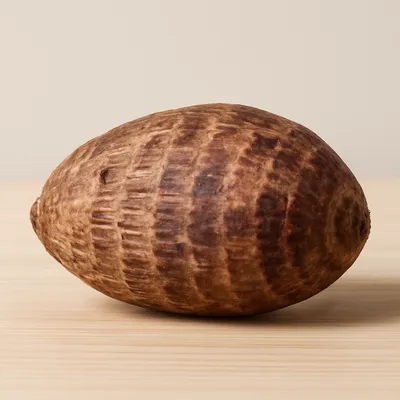
Pre-colonial pantry — taro and jicama are kitchen-garden staples in the archipelago. Sukang Iloko, the dark sugarcane vinegar from Ilocos, is the dressing base. Raw taro must be a low-oxalate variety or briefly blanched, or it itches the throat.
Matchstick-cut taro and jicama tossed in a sharp dressing of sugarcane vinegar and bird's-eye chili. The taro brings starchy, slightly nutty bite; the jicama (singkamas) is wet, glassy, almost pear-crisp. Salt pulls water out so the dressing sticks. Eaten cold as a side to grilled meat or fried fish; the crunch and acid cut through fat.
Raw taro contains calcium oxalate crystals that itch the throat — the version eaten raw must be a young, low-oxalate variety, or else briefly blanched before cutting. Jicama is the structural carrier: it holds water without going limp under acid for several hours, which is why the slaw can sit and improve, where lettuce-based slaws collapse.
Variations
Ilocano version uses sukang Iloko and bagoong; Visayan style swaps in coconut vinegar (sukang tuba) and adds shaved coconut; modern Manila chefs (Toyo, Hapag) plate it with smoked fish flakes; northern Cordillera kitchens add wild mountain ginger.
On the Palate
Where Spicy Taro and Jicama Slaw sits in the Filipino flavor cloud
Get the taro right or don't eat it raw: use only a young, low-oxalate variety (or blanch it briefly), because the calcium-oxalate crystals in ordinary taro will itch and scratch the throat — the jicama is the crunchy, water-holding backbone that lets the slaw sit in the vinegar and improve.
Ingredients
How it's made
4 steps · 25 min
- 110 min
Peel the taro and jicama, then slice them into matchsticks about the thickness of a pencil. Rinse under cold water to remove excess starch and pat dry with a clean towel.
Watch outRinse until the water runs clear, not cloudy — that tells you the surface starch is gone; then pat truly dry.
- 25 min
In a large mixing bowl, combine the sliced taro and jicama with a generous splash of vinegar. Toss until the vegetables are evenly coated and start to absorb the vinegar's sharp aroma.
Watch outToss just until every stick glistens and you catch the sharp vinegar smell; don't drown them in liquid.
- 35 min
Finely mince the garlic and sprinkle it over the slaw. Use your hands to gently massage the garlic into the vegetables, releasing its pungent scent into the mix.
Watch outBe careful not to over-massage, as it can make the vegetables too soft.
- 45 min
Let the slaw sit for a few minutes to allow the flavors to meld. Taste and adjust seasoning with salt if necessary before serving.
Watch outRest only a few minutes — long enough to meld, short enough that the jicama still snaps.