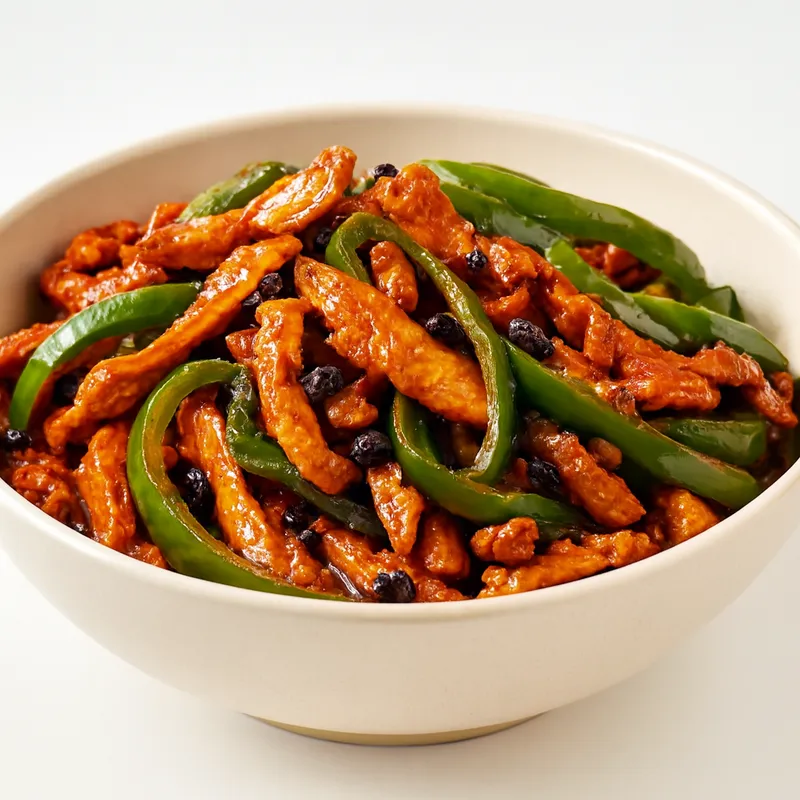
A coastal one-pot from Putian where oysters, pork belly, dried mushrooms, and fresh seaweed are layered over soaked rice and sealed to braise, each ingredient surrendering its flavor to the grain as steam cycles through the pot.
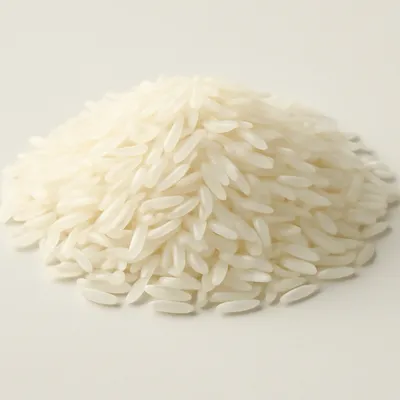


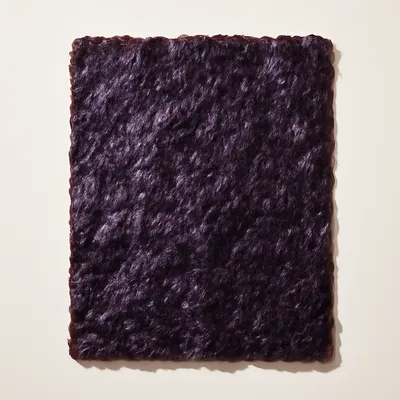

Putian, historically called Xinghua Fu, sits where Fujian's coast narrows to tidal flats and seaweed beds. The braised rice tradition here crystallized around the produce of Jiangshan Village, now known as China's First Seaweed Village, whose nori has supplied the local table for generations. Custom holds that when a boy reaches his one-month milestone, the family prepares seaweed rice balls to distribute to neighbors, symbolizing noble promotion and new sons to the household. The braised rice exists in many variants—yellow croaker, pork, cabbage—but the oyster-and-seaweed version is most distinctly Putian.
The rice carries a deep oceanic sweetness from the oysters; shreds of seaweed dissolve into the grain while leaving traces of briny umami. Digging to the bottom yields a shard of caramelized crust—crisp, smoky, and deeply savory—atop fluffy, seafood-scented rice.
The sealed pot creates a recirculating steam chamber: glutamates from oysters and inosinates from pork synergize in a combined umami response six to eight times more intense than either alone. Seaweed cells rupture under heat, releasing free amino acids and iodine into the cooking liquid, deepening the broth that the rice absorbs. At the base, direct contact with the hot pot triggers Maillard browning of surface starches and sugars, creating the crisp crust characteristic of braised rice.
Variations
Yellow croaker braised rice (黄瓜鱼焖饭) substitutes fresh fish for oysters; pork-only versions are common weekday meals; cabbage rice is the vegetarian variant. Coastal restaurants often add dried scallops alongside the oysters for an extra layer of umami.
On the Palate
Where Putian Braised One-Pot Rice sits in the Chinese flavor cloud
Ingredients
Serves 4



How it's made
8 steps · 20 min
- 120 min
Rinse the rice 2–3 times until water runs clear; soak in cold water for 20 minutes, then drain.
- 25 min
Clean oysters gently in lightly salted water, removing any shell fragments; drain well.
- 320 min
Soak dried shiitake in warm water for 20 minutes; squeeze dry, reserve the soaking liquid, and slice the caps.
- 410 min
Cut pork belly into 1 cm pieces; marinate with soy sauce, rice wine, and white pepper for 10 minutes.
- 53 min
Heat oil in a heavy pot over medium-high; stir-fry pork until lightly browned, about 2 minutes. Add garlic and ginger, cook 30 seconds until fragrant.
- 62 min
Add the drained rice to the pot; stir to coat each grain in fat. Pour in the mushroom soaking water topped up with plain water to cover rice by 1.5 cm. Season with salt and a little soy sauce.
Watch outStir the drained rice in the pork fat until every grain is coated — that fat film is what keeps the grains distinct instead of gluey.
- 725 min
Scatter mushrooms, oysters, and seaweed over the rice. Cover tightly, bring to a boil over high heat, then reduce to the lowest flame and braise for 25 minutes.
Watch outBoil, then drop to the very lowest flame and leave it sealed — lift the lid and the trapped steam escapes, leaving the top rice hard.
- 85 min
Remove from heat; rest covered for 5 minutes. Scatter sliced scallions and scrape up the crispy bottom crust when serving.
Watch outScrape up the crisp browned crust at the base when serving — that direct-heat 锅巴 is the best of the pot.
Archive tool suggestions — not reviewed
These legacy suggestions have not been evidence-reviewed and are not presented as required tools.