
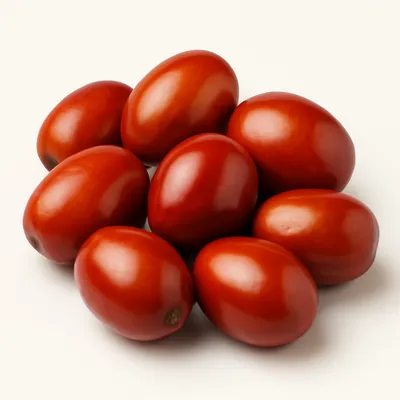
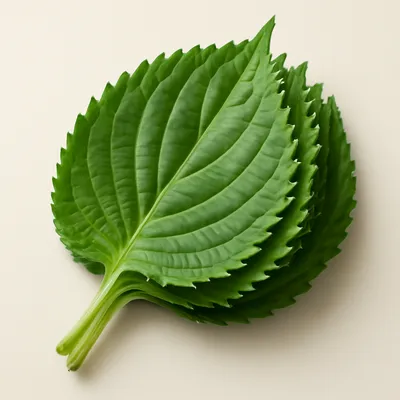
Aejeo-jjim is a restorative delicacy of Jinan and Jeonju in North Jeolla, a suckling piglet braised or steamed slowly with herbs. The very young pork turns meltingly tender and gelatinous, mild in flavor, simmered with garlic, ginger, ginseng and jujube and finished with ground perilla that enriches the broth. It is eaten dipped in vinegar-soy or salted-shrimp sauce, often wrapped in a perilla leaf, with aged kimchi stirred in late for a sharper bowl. Unusually for a regional dish, it is recorded across several old Korean cookbooks and even in royal banquet records.





Aejeo-jjim is a genuinely old, well-documented dish, and here the record is rich enough to state with confidence. The word is written with characters read as grieving pig: the original character meant young or child pig, but because that felt off-putting on a dish made from piglets, the character for sorrow was substituted. The historically documented aejeo was a piglet taken from the womb, a frugal farm dish that wasted no stillborn animal; modern Jinan and Jeonju versions use a weaned piglet a month or two old, a matter best stated plainly. The dish is recorded in several Joseon cookbooks, one of which from around 1815 names Jinan and Gwangju by name, and it appears in royal records, listed among the king's dishes in a court journal of 1796 and at King Gojong's jubilee banquet of 1902. Korean scholarship treats it as a distinctively Korean delicacy without a Chinese counterpart; its precise origin point is undocumented, but its highland-Jinan home, good for raising pigs and poor for farming, is well grounded.
Meltingly tender, the soft pork falls off the bone, the skin silky and gelatinous. The broth is milky and rich yet surprisingly clean, perfumed with ginseng, ginger, garlic and jujube, with the toasty nuttiness of perilla running through it. A piece wrapped in a perilla leaf and dipped in vinegar-soy or salted-shrimp brightens the richness, and a late spoonful of aged kimchi turns the bowl sharper and warmer. It is a dish to linger over, gentle and restorative rather than bold.
Very young pork is extremely tender, gelatinous and mild because immature muscle has little of the toughened connective tissue of grown animals and a high proportion of collagen, which converts to gelatin in long, gentle cooking, yielding meat that falls apart and a body-giving broth, the skin turning silky. The piglet is parboiled first to draw out blood and any odor, the scum water discarded, before the slow braise or steam. The herbs do double duty, lending the restorative character the dish is prized for while masking any young-pork smell: garlic, ginger, ginseng and jujube for depth, water dropwort and chives for fresh lift, and ground perilla to thicken and enrich. A sharp vinegar-soy or salted-shrimp dip cuts the gelatinous fat.
Variations
It is made as jjim, braised or steamed, or in an older boiled-and-sliced style served without broth and dipped in mustard or salted shrimp, a version recorded around Gwangju. The perilla-broth version is nutty and thickened, against a clearer herbal broth, and houses vary in how much ginseng, jujube and medicinal herb they add, some stuffing the cavity with tofu, pheasant or chicken as older recipes did. Modern Jinan restaurants also serve a soup form, aejeo-tang, alongside the braise.
On the Palate
Where Aejeo-jjim sits in the Korean flavor cloud
Ingredients
Serves 4

How it's made
8 steps · 1 hour
- 120 min
Clean and dress the piglet thoroughly, whole or in pieces.
- 215 min
Parboil the piglet in boiling water to draw out the blood and any odor, then discard the scum water.
Watch outParboil first and throw out that scummy water completely — it carries the blood and the young-pork smell, and skipping it taints the whole broth.
- 310 min
Build the aromatic braise with garlic, ginger, scallion and onion along with ginseng and jujube.
- 45 min
Add water dropwort and chives and the piglet to the pot.
- 5120 min
Braise or steam long and gently until the meat is falling-apart tender and the skin gelatinous, well over an hour.
Watch outBraise long and gently until the meat pulls apart and the skin turns silky-gelatinous — rushing on high heat toughens it instead.
- 610 min
Stir in ground perilla toward the end for a nutty, lightly thickened broth.
- 710 min
Bone and shred the meat if serving it in pieces.
- 85 min
Serve with the broth, wrapped in perilla leaf and dipped in vinegar-soy or salted-shrimp sauce, adding aged kimchi late for a spicier bowl.
Archive tool suggestions — not reviewed
These legacy suggestions have not been evidence-reviewed and are not presented as required tools.


