Tengzhou's beloved street griddle-cake: two thin wheat-flour pancakes sandwiching a spiced mix of shredded cabbage, bean thread noodles, tofu, and potato, pressed and cooked on a flat iron griddle until the exterior is golden and shatteringly crisp while the filling steams soft within. Long and rectangular, eaten hot off the griddle as breakfast or anytime snack.

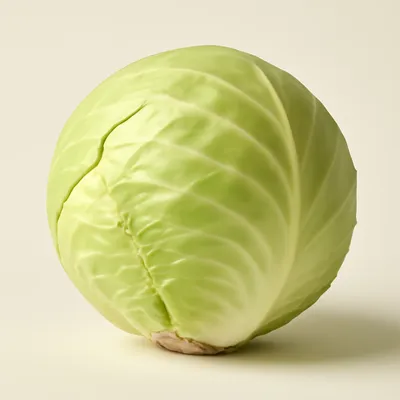


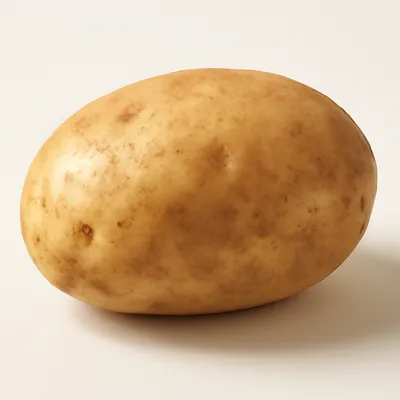
Tengzhou's griddle-cake tradition is rooted in the Qing dynasty; local records mention Wang Niugao (nicknamed 'Wang Guaiwu') as an early innovator who developed a proprietary spice blend for the filling. The modern form of the dish crystallized in the 1970s: during years of material scarcity, rural Tengzhou families subsisted on wheat-flour griddle pancakes (煎饼) but found them difficult to eat plain. Resourceful home cooks began filling and pan-frying two pancakes together with whatever vegetables were available — cabbage, potato, bean thread, and tofu — dressed with chili powder, Sichuan pepper powder, and cumin. The method spread household to household across the county and eventually entered street-stall culture; today 菜煎饼 is inseparable from Tengzhou's breakfast identity.
The outer pancake crackles at the first bite; inside, yielding cabbage and glassy bean thread carry the warmth of cumin and chili powder, with a faint savoriness from tofu. The interplay of crisp shell and soft, steamed filling makes it almost impossible to stop at one.
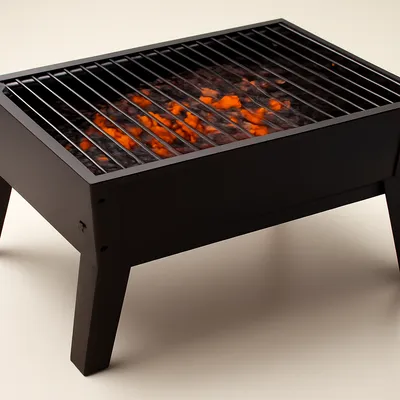
The iron griddle (鏊子) provides steady, moderate heat from below with no lid. The two pancake layers act as insulating wrappers, trapping steam released from the moist vegetable filling. The outer surface crisps through rapid starch dehydration and light Maillard browning, while the interior vegetables soften in their own steam — a self-steaming packet effect. Cumin's primary volatile compound (cuminaldehyde) and Sichuan pepper's sanshool together build a complex aroma structure that persists even in a simple vegetable filling.
Variations
Adding a raw egg cracked directly onto the griddle under the pancake is the most popular upgrade — the egg cooks into the base layer, adding richness. A meat version (肉菜煎饼) adds stir-fried pork strips to the filling. In autumn and winter, leek-and-egg filling replaces the cabbage base for a more pungent warming variation.
On the Palate
Where Tengzhou Vegetable Griddle-Cake sits in the Chinese flavor cloud
Ingredients
Serves 2


How it's made
7 steps · 25 min active + 5 min waiting
- 15 min
Shred cabbage finely; soak dried bean thread in hot water until soft, then drain and cut into short sections; dice tofu into small cubes; peel and julienne potato if using.
- 25 min
Combine all vegetables in a bowl; drizzle with oil, chili powder, Sichuan pepper powder, cumin powder, and salt; toss thoroughly until evenly coated.
- 33 min
Heat a flat cast-iron griddle or heavy pan over medium heat; brush lightly with oil.
- 42 min
Lay one pre-made thin wheat pancake flat on the griddle; spread the seasoned vegetable filling evenly over the entire surface.
- 53 min
Cover with a second pancake and press gently with a spatula; cook 2–3 minutes until the bottom is golden and crisp.
Watch outCover with the second pancake and cook until the bottom is golden and crisp — the two layers trap steam so the filling self-steams soft.
- 63 min
Carefully flip the whole assembly in one motion; cook the second side another 2–3 minutes until evenly golden and the filling is heated through.
Watch outFlip the whole stack in one clean motion — hesitate and the top pancake slides off and the filling spills.
- 72 min
Transfer to a cutting board; cut into long rectangles or fold in half; serve immediately while still hot and crisp.
Archive tool suggestions — not reviewed
These legacy suggestions have not been evidence-reviewed and are not presented as required tools.