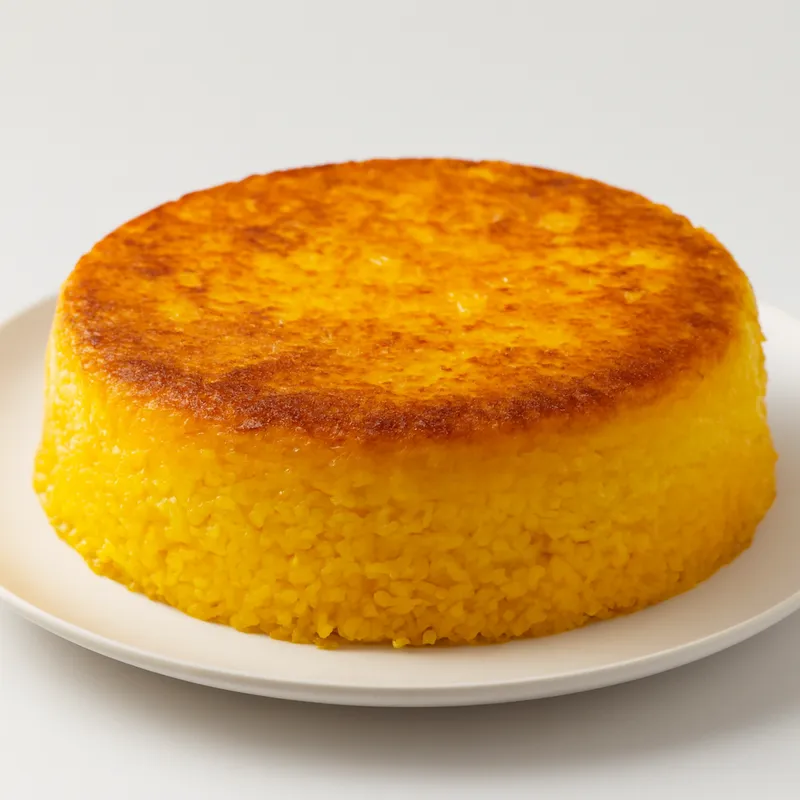
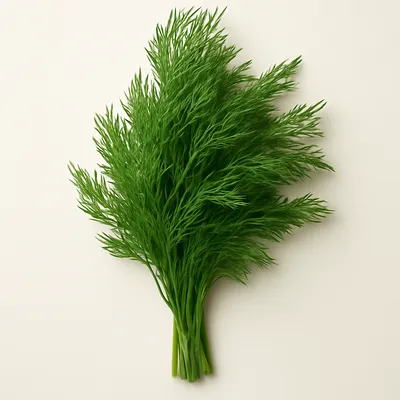
A Gulf-coast layered rice of fragrant herbs and shrimp, lightly soured with tamarind. Basmati is parboiled, then steamed with a sauteed mix of cilantro, dill, garlic, and spice folded through it, with the prawns cooked into the herb base. The result is aromatic, gently tart, and stained green by the herbs. It is a specialty of Khuzestan and the Persian Gulf, served with a crisp tahdig at the bottom of the pot.
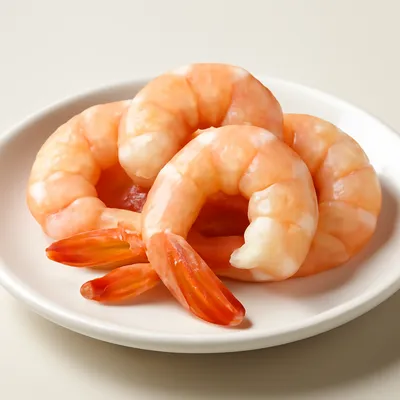
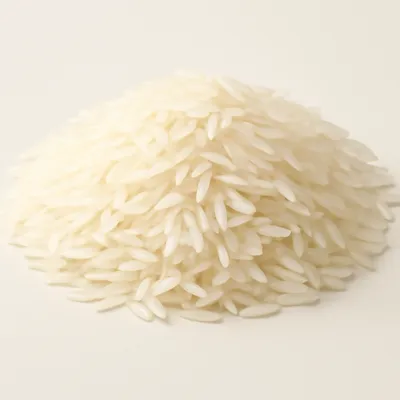
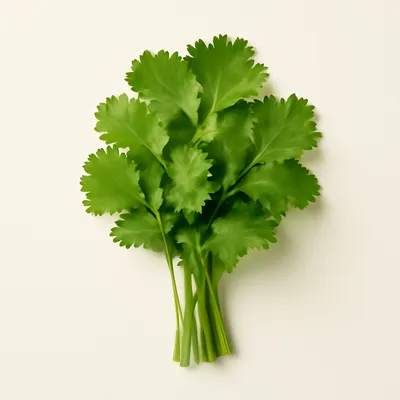


Meygu polo ("shrimp rice") is the Gulf coast's shellfish entry in Iran's vast polo tradition, where rice is parboiled and then steamed with a flavoring folded in. It belongs to Khuzestan and the southern ports, whose access to Persian Gulf shrimp and taste for tamarind and fresh herbs set it apart from the interior's meat-and-saffron rices. The herb-forward, lightly soured profile mirrors the region's seafood stews. Recipes vary widely from household to household, and the dish is treated as a regional specialty rather than a single codified version.
Long, separate grains of rice dyed pale green and perfumed with dill and cilantro, with plump shrimp tucked through it and a faint tamarind tartness lifting each bite. The crisp golden tahdig scraped from the pot bottom adds crunch against the soft, fragrant rice. Light, herby, and gently sour rather than rich.
The rice is parboiled in salted water and drained while still firm, then finished by dam — steaming over low heat under a cloth-wrapped lid so trapped steam swells each grain separately and the bottom layer crisps into tahdig. The herbs are sauteed first to bloom their aroma and lose their raw note before being layered with the rice. Tamarind is used in a light hand so it brightens without souring the dish heavily, and the shrimp are added late so they stay tender rather than turning rubbery.
Variations
Some cooks layer the herbs and shrimp through the rice; others serve the shrimp in a sauce over a plain herb polo. Garlic and a little chili are common in the south, and the tartness may come from tamarind or a squeeze of lime. White fish sometimes stands in for the shrimp, and saffron-tinted rice can crown the dish for a festive version.
On the Palate
Where Meygu Polo sits in the Persian flavor cloud
Ingredients
Serves 4
How it's made
7 steps · 35 min
- 140 min
Rinse and soak basmati rice; peel and devein the shrimp and soak tamarind to a thin juice.
- 210 min
Finely chop cilantro and dill, and saute them in oil with garlic, chili, and turmeric until fragrant and darkened.
- 35 min
Stir the shrimp and a little tamarind juice into the herbs and cook briefly, just until the shrimp turn opaque.
- 415 min
Parboil the rice in plenty of salted water until the grains are firm but no longer hard, then drain.
Watch outPull the rice when the grains bend but the core still has a tiny bite — they finish swelling under the steam, and mushy parboiled rice never crisps into tahdig.
- 58 min
Oil the pot and layer the rice with the herb-and-shrimp mixture, mounding it into a cone.
- 638 min
Cover with a cloth-wrapped lid and steam over low heat 35 to 40 minutes for fluffy rice and a crisp tahdig.
Watch outListen and smell near the end — a faint toasty crackle from the bottom means the tahdig is forming; a sharp scorched smell means turn the heat down fast.
- 75 min
Lift out the rice gently and serve with the golden tahdig from the bottom.
Archive tool suggestions — not reviewed
These legacy suggestions have not been evidence-reviewed and are not presented as required tools.