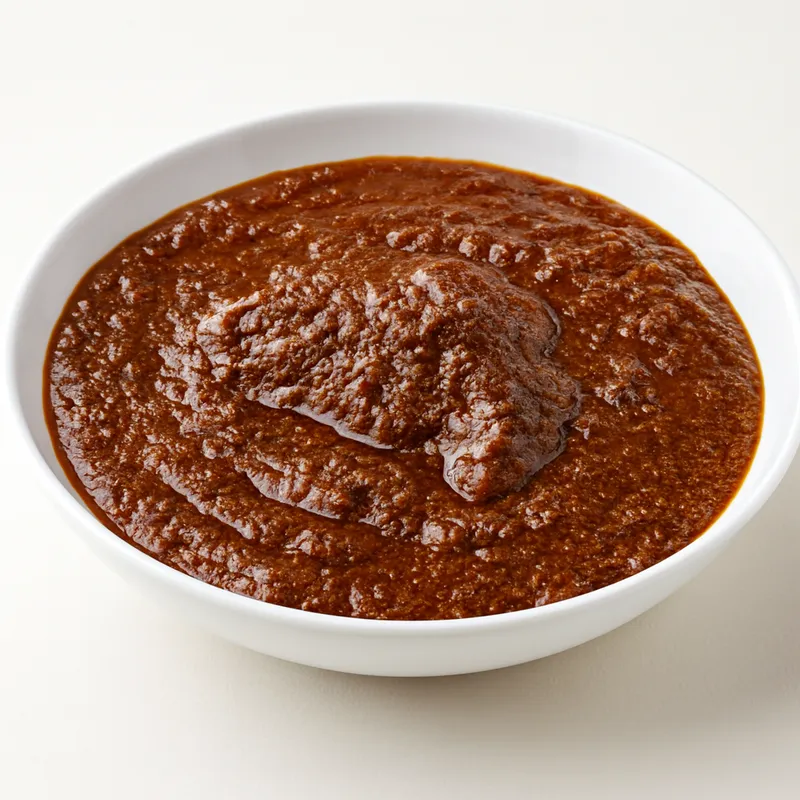
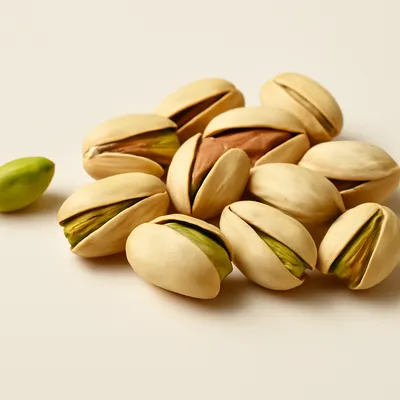
A saffron-scented layered rice in which sweet carrots, sautéed in butter until soft and glazed, are folded through basmati along with raisins, slivered pistachio and warm spices, usually over spiced ground or shredded meat. The carrots turn the rice faintly orange and gently sweet, set off by cinnamon and the tart-sweet pop of raisins. Steamed in the Persian way, it builds a golden crust at the base of the pot. It belongs to the family of sweet-savory celebration pilafs served at weddings and feasts.

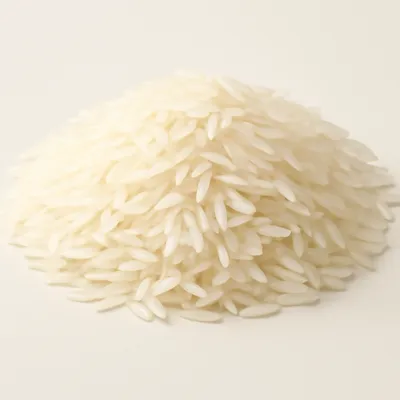

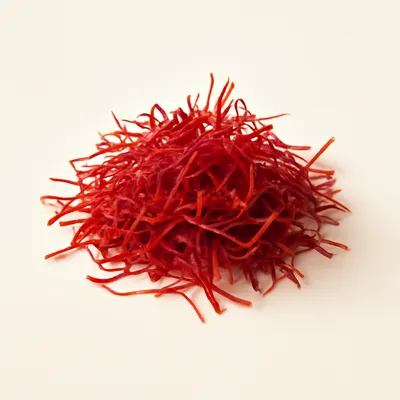
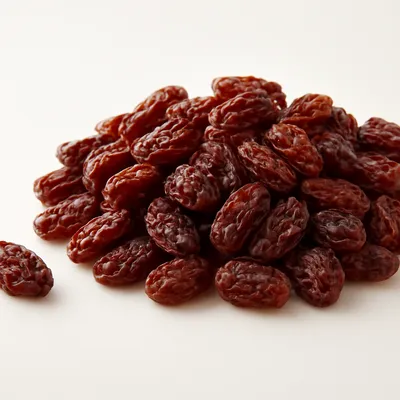
Havij polo sits within the broad Persian family of shirin polo — sweet rices dressed with fruit, nuts and warm spice — and is closely tied to Shiraz and the south, though it is cooked across Iran. Carrots reached Persian cooking comparatively late, and the orange carrot familiar today spread only after earlier purple and yellow types; the dish reads as a thrifty cousin of the more lavish jeweled rices, leaning on the carrot's own sugar for sweetness. It is a dish for weddings, Nowruz and other gatherings.
Long, separate saffron-gold grains laced with soft ribbons of glazed carrot, the whole dish gently sweet rather than sugary. Raisins burst with concentrated sweetness, pistachios add green crunch, and cinnamon runs warm underneath; the meat beneath the rice keeps it savory and grounded. The prized bite is the crackling golden crust scraped from the base of the pot.
The carrots are cut into fine matchsticks and sautéed in butter, sometimes with a little sugar, so their own sugars caramelize and they soften without going to mush — this is what perfumes the rice with sweetness. Basmati is first parboiled in salted water and drained while still firm, then layered back into the pot over fat. The key is the dam: the pot is sealed and steamed on low heat so trapped vapor circulates and finishes each grain fluffy and separate, while the grains pressed against the buttered base dehydrate and toast into the crisp golden tahdig. Saffron is bloomed in hot water and folded through at the end for colour and aroma.
Variations
Some cooks build it as a true layered polo, others as a quicker mixed rice; the meat may be spiced ground meat, shredded chicken, or saffron-glazed lamb, and a meatless version stands as a sweet pilaf on its own. Dates can stand in for or join the raisins, and candied orange peel, slivered almonds, cinnamon and rosewater are common additions that push it toward the jeweled-rice end of the spectrum.
On the Palate
Where Havij Polo sits in the Persian flavor cloud
Ingredients
Serves 5

How it's made
8 steps · 30 min
- 112 min
Cut carrots into fine matchsticks and sauté in butter, with a little sugar, until soft and glazed.
- 210 min
Brown the spiced meat with onion and cinnamon, then set aside.
- 34 min
Add raisins and slivered pistachios to the carrots and warm through.
- 412 min
Parboil the basmati in plenty of salted water until just al dente, then drain.
Watch outParboil the basmati only to al dente before draining — it must stay firm, because it finishes cooking in the steam.
- 58 min
Layer fat in the pot, then the meat, then alternate rice with the carrot mixture, mounding into a dome.
- 645 min
Cover and steam on low heat (dam) until vapor builds and a crust forms at the base.
Watch outSeal the pot and steam on low so the trapped vapor circulates — that's the dam that fluffs each grain and toasts the golden tahdig at the base.
- 73 min
Bloom saffron in hot water and drizzle over the rice near the end.
- 84 min
Gently fold to combine, plate the rice, and serve the golden tahdig alongside.
Archive tool suggestions — not reviewed
These legacy suggestions have not been evidence-reviewed and are not presented as required tools.