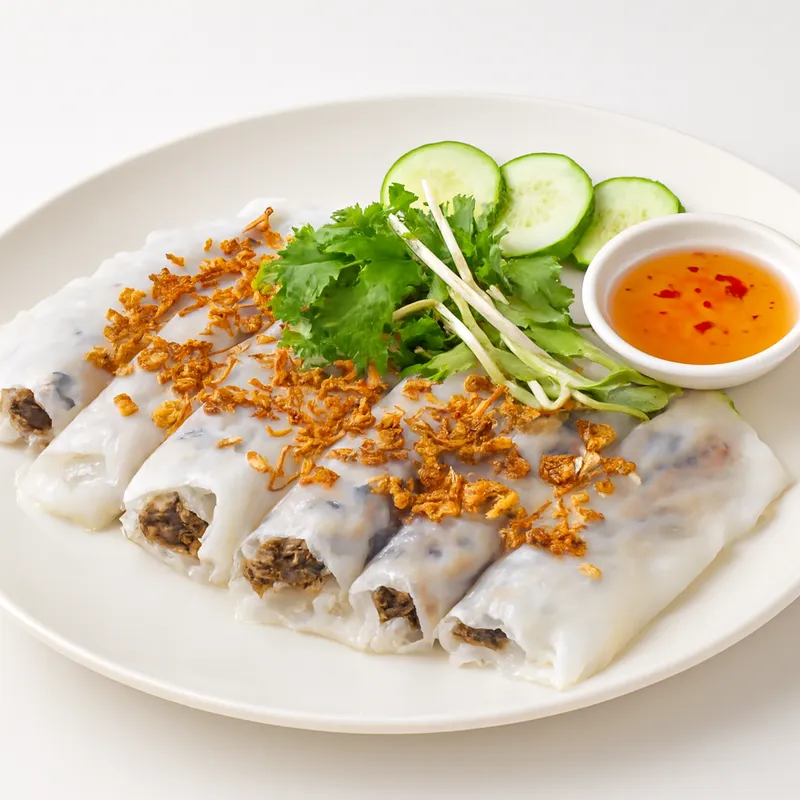
Rice paper grilled over charcoal until crisp, brushed with scallion oil and dotted with quail egg, dried shrimp, mayonnaise, and chile sauce; eaten folded like a taco — Da Lat's modern street snack, often called Vietnamese pizza.


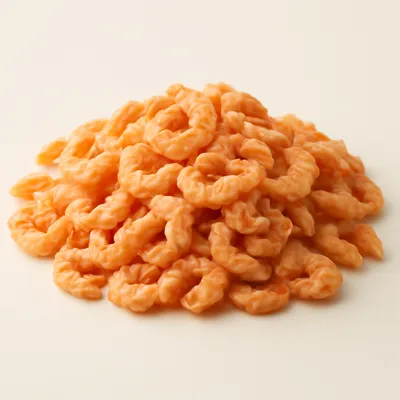

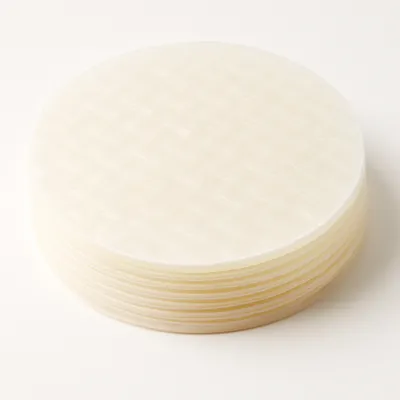
Banh trang nuong is a recent invention — emerged in Da Lat (Lam Dong province, Central Highlands) in the 1990s as cheap student night-market food, then spread nationwide in the 2000s. The name (literally grilled rice paper) is descriptive; the foreign nickname Vietnamese pizza was coined by tourists. The cool Da Lat climate is part of the story: the dish is hot food eaten standing in mountain evenings, and the toppings list (mayonnaise, processed cheese, sweet chile) marks it as post-Doi Moi reform-era street food, not ancestral.
1990s Da Lat (Lam Dong, Central Highlands) student night-market invention, nicknamed Vietnamese pizza by tourists. The cool mountain climate is half the reason it works. Egg-first, dry toppings, oil, then sauces last off-heat — order is load-bearing; wet toppings up front steam the paper soft.
Crackles like a thin papadum on the first bite, then collapses into eggy-savoury fragments — quail-egg yolk binds the dried-shrimp grit and scallion oil into a layer that tastes deep-fried even though no oil was used. Mayo and sweet-chile read modern, almost junk-food. Eaten standing up at a Da Lat night-market stall, the rice paper still warm enough to feel pliable at the centre. Beyond five minutes off the grill, the magic is gone — the paper toughens.
Dry rice paper crisps because the residual moisture in the sheet (about 10%) flashes off in the first 30 seconds of grill contact, and the gelatinized rice starch then crackles. Egg painted on top works as both binder and Maillard substrate: it cooks against the hot rice paper from below, fusing the toppings while the underside continues to dry. Too-wet toppings (heavy mayo, sauce) before the egg sets will steam the paper soft instead. The right order — egg first, dry toppings, oil, then sauces last off-heat — is the load-bearing detail.
Variations
Da Lat Khu Hoa Binh night-market stalls run the original; Saigon street carts add mayonnaise and processed cheese (the modern junk-food drift); Hanoi versions skip the dried shrimp and add laughing-cow cheese.
On the Palate
Where Banh Trang Nuong sits in the Vietnamese flavor cloud
Ingredients
Serves 1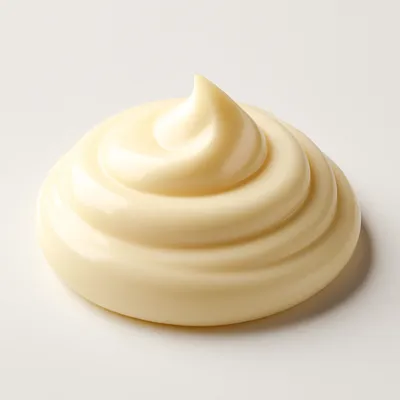

How it's made
6 steps · 12 min active · 3 min waiting
- 13 min
Make scallion oil: heat 60ml neutral oil to smoking, pour over 4 sliced scallions in a heat-safe bowl with a pinch of salt. Set aside.
Watch outEnsure the oil is hot enough to sizzle when the scallions are added.
- 25 min
Soak 2 tbsp dried shrimp 5 minutes in hot water; drain, chop coarsely. Beat 2 quail eggs lightly with a fork (or 1 chicken egg).
- 31 min
Set up a charcoal grill or use a clean, dry skillet over medium heat. Lay one round of dry rice paper (22cm) directly on the grate or pan. It will start to crisp and curl in 20 seconds.
Watch outMonitor closely to prevent burning; it can crisp quickly.
- 41 min
Pour the egg over the rice paper and spread it with the back of a spoon to coat evenly; the egg adheres in 15 seconds. Scatter dried shrimp and a pinch of cheese (modern street version) over it.
- 52 min
Drizzle 2 tsp scallion oil over the surface. Move the rice paper to indirect heat or lower the flame; cook another 90 seconds until the underside is crisp and dark-spotted.
Watch outCheck for dark spots to ensure it's crisp but not burnt.
- 61 min
Off heat. Drizzle with mayonnaise (zigzag pattern), sweet-chile sauce, and a splash of soy or fish sauce. Fold in half like a taco; cut into wedges with scissors. Eat at once — it goes leathery in 5 minutes.
Watch outServe immediately to maintain crispness; it will soften quickly.
What you'll need
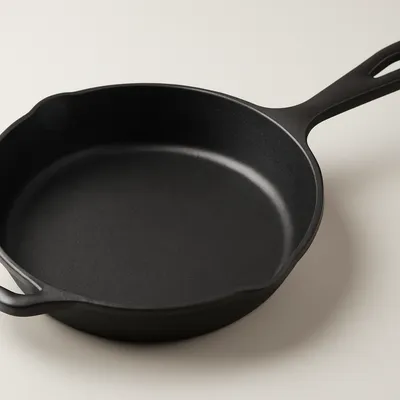
A heavy, single-piece cast iron pan, 25-30 cm across, weighing 1.5-2.5 kg. Once preheated, the thick mass holds 230°C+ even when a cold steak hits the surface — that's the secret to a deep crust. A well-seasoned skillet (multiple thin layers of polymerized oil baked into the iron) is essentially nonstick, gets better with use, and lasts a century. Lodge skillets from Tennessee have been in continuous production since 1896.
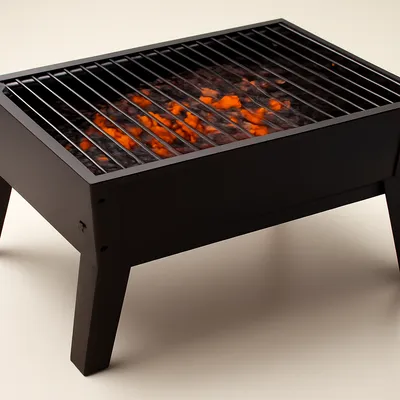
An open or hooded metal frame holding a bed of glowing charcoal embers, with a grate above. Charcoal burns at 700°C+ on the surface and emits short-wave infrared, which cooks proteins faster and with deeper Maillard browning than gas. Hardwood lump charcoal (oak, mesquite, fruitwood) lends its own smoke; cheap briquettes do not. Mastery is mostly heat zoning — direct over coals for searing, indirect off-coals for slow-roasting.