Southern Lao Champasak sour-fermented-fish stew — Mekong river fish slow-simmered in pa daek and sa-khan pepper broth with eggplant, lemongrass, and bitter-leaf greens.
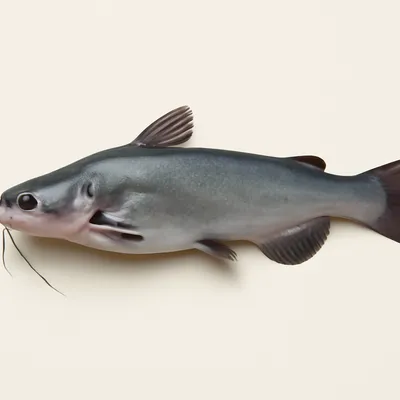


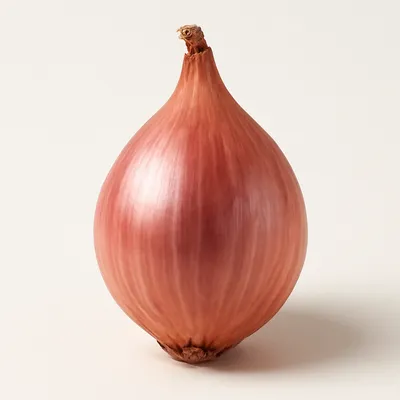


Or pia (sometimes written 'or pa daek') is a Southern Lao stew built around pa daek — the fermented-fish paste that is the foundational umami of Lao cuisine, particularly intense in Southern preparations where it's made from Mekong fish fermented in clay pots for months. The dish is also distinguished by sa-khan pepper (Piper ribesioides, a woody pepper vine grown in the mountains of Laos, including the Bolaven Plateau in Champasak), whose dried stem gives the broth a numbing-citrus dimension distinct from Sichuan peppercorn. Or pia is everyday Southern Lao household cooking — eaten weekly, never on restaurant menus until recent Pakse upmarket establishments started serving it.
Spoon or pia broth: the pa daek funk hits first — a complex fermented-fish depth that beginners may find startling but Southern Lao households know as 'home flavor'. Sa-khan pepper's citrus-tingle on the tongue follows; bitter greens cut through the richness. The fish chunks are tender, having absorbed the broth's spectrum. Bite some sticky rice into the broth and let it soak. Champasak Mekong-side cooking at its truest.
Pa daek's fermentation (months of anaerobic bacterial digestion of fish proteins in salt) produces glutamic and aspartic amino acids in concentrations 10-15x higher than fresh fish, plus volatile sulfur compounds that contribute the dish's distinctive 'funk'. Sa-khan's piperines and citral give the citrus-tingling sensation that complements pa daek without competing. Straining pa daek removes the fish bones and skin while keeping the umami in solution.
Variations
Champasak Mekong-side classic uses fresh river fish + sa-khan pepper; Pakse urban version often substitutes ground black pepper for sa-khan (much milder); modern Vientiane restaurants serve a less-funky 'tourist version' with reduced pa daek.
On the Palate
Where Or Pia sits in the Lao flavor cloud
The soul of the stew is the pa daek: dilute and strain the fermented-fish paste so you keep its deep umami broth but leave the bones and skin behind, then build a fragrant aromatic base around it.
Ingredients
Serves 6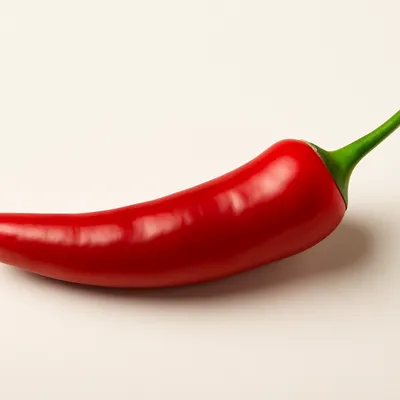

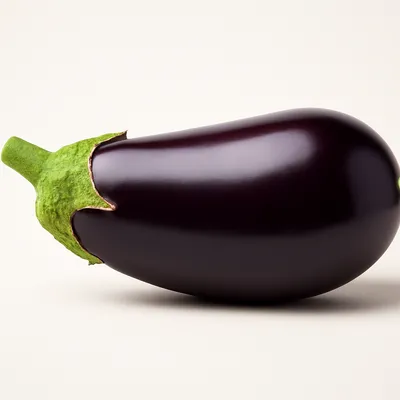
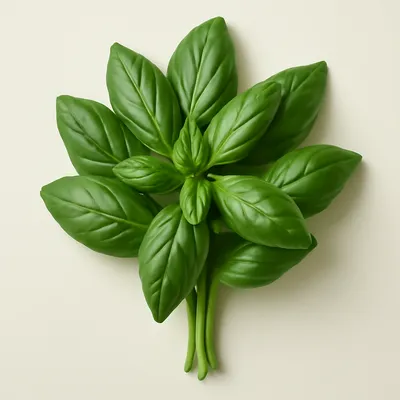
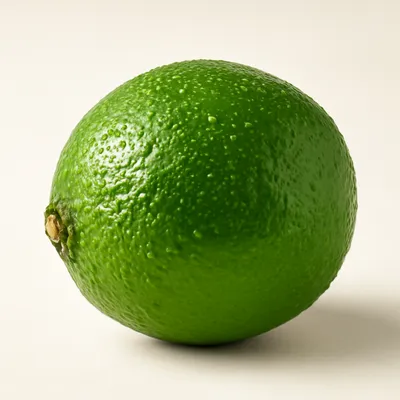




How it's made
5 steps · 40 min active + 50 min waiting
- 117 min
Clean 800g whole white fish (catfish, snakehead, or tilapia); cut into 4cm chunks. Rub with 1 tsp salt, 1 tsp pepper, juice of 1 lime; rest 15 min.
Watch outRub the fish with salt, pepper and lime and let it rest 15 minutes; the surface should tighten and lose its raw sheen.
- 27 min
Dilute 3 tbsp pa daek (Lao fermented fish paste — substitute with 2 tbsp anchovy paste + 1 tbsp fish sauce for similar funky-umami profile) with 200ml water. Let solids settle, then strain through fine mesh, reserving the broth.
- 38 min
In a heavy pot, sauté 4 sliced shallots + 4 minced garlic cloves + 2 minced bird's-eye chilies + 1 tbsp grated ginger + 1 stalk bruised lemongrass + 1 tsp ground sa-khan pepper (or substitute with 1 tsp ground Sichuan pepper + 1 tsp citrus zest) in 3 tbsp vegetable oil over medium heat 6 min.
Watch outSauté the aromatics until the shallots go soft and the lemongrass and chilies smell sharp and fragrant, about 6 minutes.
- 410 min
Add the strained pa daek broth + 500ml water + 1 tbsp fish sauce + 1 tsp palm sugar + 2 bay leaves + 1 chopped Thai eggplant + 100g sliced bitter leaves (substitute with chicory or dandelion greens). Bring to gentle simmer.
- 513 min
Lower fish chunks into the broth. Cover and simmer 10-12 min until fish flakes. Top with 1/4 cup chopped Lao basil (or sweet basil), 2 sliced green onions, 1 tbsp lime juice. Serve in deep bowls with sticky rice and jeow on the side.
Watch outSlide the fish in gently and don't stir; it's done the instant the flesh flakes at a nudge.
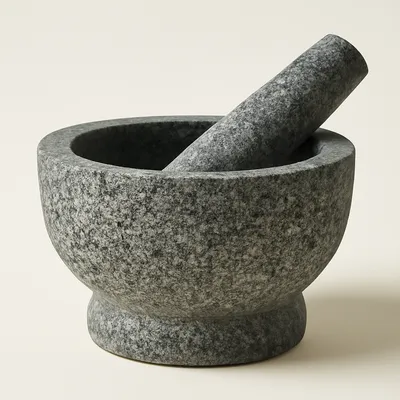
Archive tool suggestions — not reviewed
These legacy suggestions have not been evidence-reviewed and are not presented as required tools.