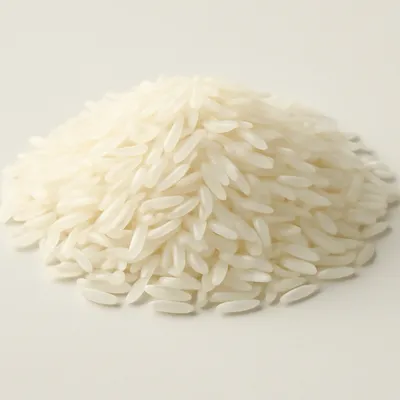
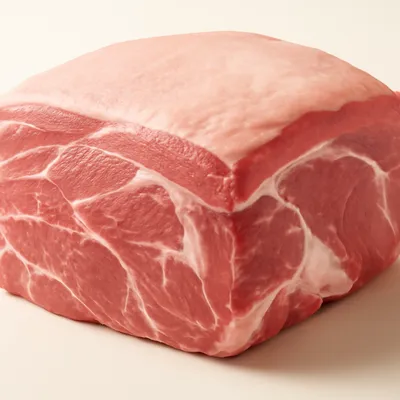
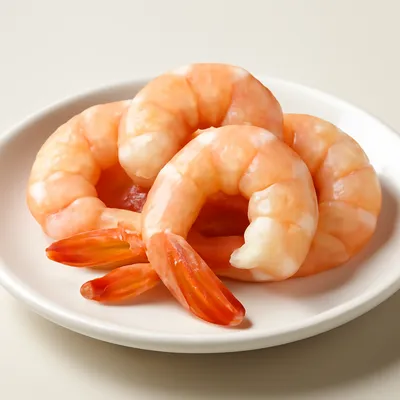
A Hue composed rice plate whose name translates literally as "hell rice" or "rice of the underworld." A mound of fragrant white rice sits at the center of a plate, ringed by neat piles of shredded barbecued pork, boiled and shredded shrimp, thin omelette ribbons, sliced cha lua (pork sausage), shredded cucumber, and herbs. Each ringed portion is small; the eater tosses the whole plate together with nuoc cham before eating, so no single mouthful repeats. It is one of the few Hue specialties built as a dry, multi-component rice dish rather than a soup or a steamed cake.


Com am phu is a Hue dish documented from the early 20th century. The most repeated account credits a vendor named Tong Phuoc Ky, who is said to have opened a rice eatery on Nguyen Thai Hoc street in Hue in the 1920s or 1930s; the unusual name is variously explained by the shop's dim lamplight, its late-night hours, or simply as a draw for curious diners. These origin details circulate widely but are not firmly documented, so the specifics should be read as local lore rather than established fact. What is clear is that the dish belongs to Hue's tradition of careful, visually arranged food, in which a plate is built from many small, separately prepared components.
Before mixing, the plate reads as a color wheel: white rice at the hub, then spokes of pink shrimp, mahogany pork, yellow egg, pale sausage, green herb and cucumber. The textures are the point once tossed together: chewy shredded pork against soft rice, the snap of cucumber, the give of omelette, the firm bounce of cha lua. Nuoc cham pulls it into one savory, faintly sweet-sour register, and a scatter of roasted peanuts or fried shallot adds crunch at the edges.
The dish is assembly rather than cooking: success depends on each component being prepped to a different texture and seasoned just enough to stand on its own, since they only meet at the table. The rice is cooked slightly drier than for eating plain so it absorbs the nuoc cham without turning sticky. Balance of the dressing matters most — too little and the dry components taste disconnected; too much and the rice goes soggy and the separate flavors blur into one.
Variations
Component lists vary by stall, but barbecued pork, shrimp, egg, and cha lua form the usual core; some versions add shredded pork skin tossed with toasted rice powder, char-grilled pork (nem nuong), or pickled vegetables. Hue restaurants serving the city's heritage cuisine tend toward the fuller, more carefully arranged plate, while everyday eateries pare it back to a few toppings over rice.
On the Palate
Where Com Am Phu sits in the Vietnamese flavor cloud
Ingredients
Serves 2


How it's made
7 steps · 50 min active + 25 min waiting
- 120 min
Cook the rice slightly drier than usual and let it cool to warm; fluff so the grains separate.
Watch outCook the rice a touch drier than usual — it needs room to drink the nuoc cham later without turning sticky and blurred.
- 28 min
Boil shrimp until just pink, peel, and shred or halve lengthwise.
- 312 min
Grill or pan-sear marinated pork, then slice thin and shred; slice the cha lua into ribbons.
- 48 min
Make a thin omelette, roll it, and cut into fine ribbons; shred the cucumber.
- 56 min
Whisk a balanced nuoc cham from fish sauce, lime juice, sugar, water, garlic, and chili.
Watch outBalance the nuoc cham carefully — too little and the dry components taste disconnected, too much and the rice goes soggy.
- 64 min
Mound the rice in the center of each plate and arrange the toppings in neat sectors around it.
- 73 min
Scatter herbs, roasted peanuts, and fried shallot; serve the nuoc cham alongside to toss in at the table.
Archive tool suggestions — not reviewed
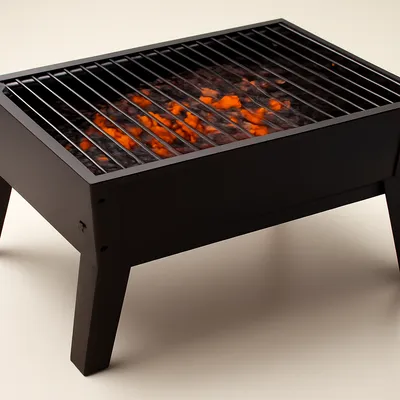
These legacy suggestions have not been evidence-reviewed and are not presented as required tools.