The named Madura original behind Indonesia's most widespread satay — thin slices of chicken (mutton in the older version) threaded onto bamboo and grilled over coals, then served under a dark sauce of sweet soy, palm sugar, garlic, fried shallots, ground peanut and a touch of shrimp paste. It is distinguished from the generic sate ayam by its thinner-cut meat and a kecap-forward dipping sauce that runs darker and sweeter than the thick peanut gravy of other regions. Madurese hawkers pushed their carts across the archipelago for generations, which is how this island recipe became the satay most Indonesians picture by default. Eaten with lontong rice cakes, sliced shallot and bird's eye chili.




Sate Madura takes its name from Madura, the island off the northeast coast of East Java whose migrant vendors carried it nationwide, selling from pushcarts through the evening and into the night. Like satay broadly, it descends from the grilled-meat traditions that reached the archipelago through centuries of Arab and Indian trade, reworked by local cooks with island spices, kecap manis and a peanut-based sauce. What sets the Madurese style apart is less a single inventor than a vendor culture: the thin-sliced meat and dark, sweet kecap dip became a recognizable signature wherever Madurese satay carts set up.
Charcoal leaves the thin meat edges crisp and smoky while the center stays just-tender, and the slices soak up the sweet-soy marinade so the sauce reads as one continuous note rather than a separate dip. The kecap-and-palm-sugar dressing is glossy and molasses-dark, the ground peanut adds body, and the pinprick of shrimp paste gives a savory backbone that keeps the sweetness from cloying. Raw shallot and chili cut through, bite by bite.
The marinade's kecap manis is heavy with palm sugar, so over coals the sugars caramelize and react with the meat proteins in a Maillard browning that builds the smoky crust and dark color. Slicing the meat thin both speeds that surface charring and lets the marinade penetrate fully in a short grill. For the sauce, peanuts are dry-roasted first to develop their deep aroma before being ground; the shrimp paste is toasted so its raw pungency mellows into savory depth, and the kecap and palm sugar carry both into a thick, dark dressing.
Variations
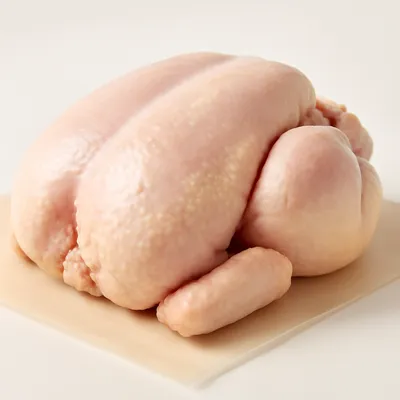
Chicken (sate ayam Madura) is now the most common, but the older island version uses mutton or goat (sate kambing). Some vendors thin the sauce with a little water for dipping, others keep it thick to spoon over; a squeeze of lime and extra fried shallot are common finishes. The dish is often served on or beside lontong (compressed rice cakes) to make a full meal.
On the Palate
Where Sate Madura sits in the Indonesian flavor cloud
Ingredients
Serves 4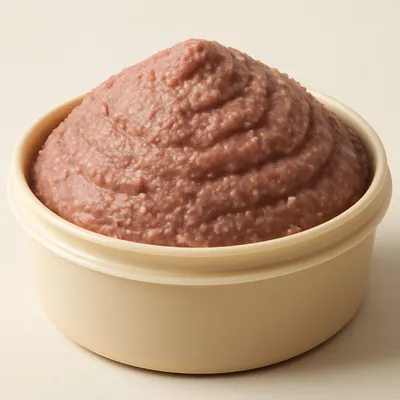


How it's made
7 steps · 40 min active + 1 hour 50 min waiting
- 110 min
Slice chicken (or mutton) thin against the grain into bite-size pieces.
- 265 min
Grind garlic, shallot, coriander and palm sugar to a paste; mix with sweet soy sauce, tamarind water and a little oil, then marinate the meat for at least 1 hour.
Watch outMarinate the thin slices at least an hour in the palm-sugar-heavy kecap manis — the sugar has to soak in so it can caramelize and char over the coals; a short soak leaves it pale and flavourless.
- 310 min
Thread the slices snugly onto soaked bamboo skewers.
- 48 min
Dry-roast the peanuts until deeply fragrant, then grind; toast the shrimp paste briefly.
- 515 min
Simmer ground peanut, toasted shrimp paste, sweet soy, palm sugar, garlic and water into a thick dark sauce.
- 615 min
Grill the skewers over hot charcoal, basting with the marinade and turning until the edges char and the meat is just cooked.
Watch outGrill over hot charcoal, basting and turning, just until the edges char and the meat is barely cooked — thin slices overcook fast, so pull them the moment the edges catch colour.
- 75 min
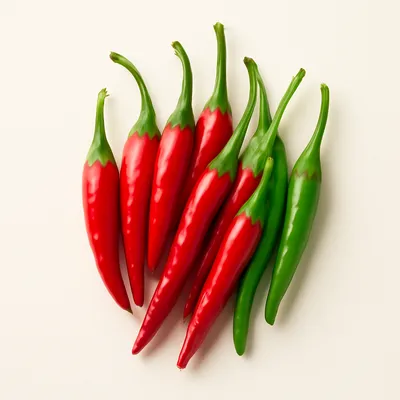
Plate over or beside lontong, spoon the sauce over, and finish with fried shallots, raw shallot slices, chili and a squeeze of lime.
Archive tool suggestions — not reviewed
These legacy suggestions have not been evidence-reviewed and are not presented as required tools.