Ikan Bakar Jimbaran is the grilled seafood of Jimbaran Bay in south Bali — whole fish, prawns and squid coated in a Balinese spice paste, grilled over coals and basted as they cook, then served with raw sambal matah and a cooked sambal tomat. It is eaten at the row of beachfront warungs where the day's catch is grilled to order at sunset. Smoky, charred and aromatic, it is distinct from Manado-style ikan bakar in its Balinese paste and its pairing of two contrasting sambals.



The grilled-seafood trade at Jimbaran grew out of the fishing village of Kedonganan on the bay, where local fishermen began grilling their catch for visitors who wandered the beach; by most accounts the cluster of seafood warungs took shape over the last few decades, riding Bali's tourism boom, rather than from a single dated founding. The cooking itself draws on Bali's grilling tradition and its base genep, applied to whatever the boats bring in. It has become one of the island's defining eating experiences, fish chosen fresh and grilled at the table's edge.
The skin chars to a smoky, lacquered crust while the flesh stays moist and flakes apart, carrying the deep, slightly sweet flavour of the spice-and-soy baste. Then the sambals take over: sambal matah is raw, crunchy and bracingly fresh with lemongrass, shallot and chili, while sambal tomat is cooked, mellow and tangy — the contrast of fire-and-smoke fish against one raw and one cooked sauce is the whole point.
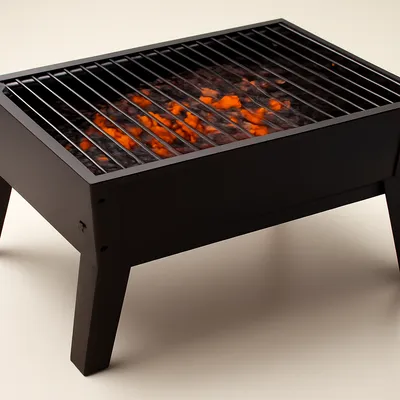
Live coals give two things: searing radiant heat that chars and caramelises the surface, and smoke that perfumes the flesh. The spice paste, often loosened with sweet soy sauce, is brushed on in stages so its sugars caramelise into a dark glaze without burning before the fish is cooked through — basting also keeps the surface from drying over the fierce heat. Sambal matah is left raw to stay sharp and crunchy, while sambal tomat is cooked down so its acidity rounds out; serving both gives the palate a fresh foil and a savoury one against the rich grilled seafood.
Variations
Whatever the boats land is fair game — snapper, grouper, mackerel, big prawns, squid and clams all go on the grill; some stalls add a green-mango or shrimp-paste sambal alongside matah and tomat. The baste varies from soy-heavy and sweet to a sharper, more chili-forward Balinese paste, and prices track the size and freshness of the fish you pick.
On the Palate
Where Ikan Bakar Jimbaran sits in the Indonesian flavor cloud
Ingredients
Serves 4


How it's made
8 steps · 30 min active + 20 min waiting
- 110 min
Clean and score the fish; pat dry and rub with salt and lime.
- 212 min
Pound shallots, garlic, chili, candlenut, galangal, turmeric and shrimp paste into a Balinese spice paste.
- 38 min
Fry the paste in oil until fragrant and darkened, then loosen part of it with sweet soy sauce for a baste; leave the fish to marinate in the rest.
Watch outFry the spice paste until fragrant and darkened before you split off the baste — under-cooked, the paste tastes raw and grassy on the fish.
- 46 min
Make sambal matah: finely slice raw shallot, chili and lemongrass, season with lime, salt and a little hot oil.
- 58 min
Make sambal tomat: fry chili, shallot and tomato to a soft, tangy cooked sambal.
- 615 min
Grill the seafood over hot coals, turning, until the skin chars and the flesh is just cooked.
Watch outGrill over hot coals just until the skin chars and the flesh turns opaque — a minute too long and the fish dries over that fierce heat.
- 74 min
Brush with the soy-spice baste in the last stage so it glazes without burning.
Watch outBrush on the sweet-soy baste only in the last stage — its sugar glazes dark and glossy, but added early it just burns.
- 83 min
Serve hot off the grill with both sambals and rice.
Archive tool suggestions — not reviewed
These legacy suggestions have not been evidence-reviewed and are not presented as required tools.