Tum ayam is minced chicken bound with Bali's all-purpose base genep spice paste, wrapped into small banana-leaf parcels and steamed soft. The word tum names the technique itself — to wrap and steam in leaf — so the dish is defined by its little packets rather than by a sauce. Tender, intensely seasoned and faintly smoky from the leaf, each parcel is unwrapped at the table and eaten with rice, a close Balinese cousin of Java's pepes.




Tum belongs to the everyday and ceremonial table of Bali alike, part of the island's broad family of banana-leaf-wrapped foods and built, like so much Balinese cooking, on base genep. It is closely related to the pepes wraps found in Java and beyond, with the Balinese version distinguished by its spice paste and its very fine, almost pâté-like mince. Rather than a dish with one dated invention, it is a long-standing technique applied to chicken — and, in other versions, to duck, pork or fish.
Open the leaf and the mince is moist and almost spreadable, deeply savoury from galangal, turmeric, lemongrass and shrimp paste, with gentle chili warmth and a sweet note of grated coconut. Steam keeps it from ever drying out, and the inside of the leaf carries a soft green, smoky scent into the meat. It eats like a fragrant, spiced meat cushion against plain warm rice.
Steaming inside a sealed leaf is gentle, even, moist heat: wrapped tight, the parcel traps its own steam so the fine mince sets without toughening or weeping, holding far more moisture than grilling or frying would. The grated coconut and a little oil in the paste keep the lean chicken succulent, while the hot banana leaf gives off green, faintly smoky aromatics that perfume the meat from the inside. Frying the spice paste first is essential — it blooms the aromatics and cooks out raw harshness before the paste ever meets the meat.
Variations
The same wrap takes duck (tum bebek), pork (tum celeng) or minced fish; some cooks fold in chopped long beans or extra chili, and a slice of fresh chili or a curl of lemongrass is often tucked inside each parcel. Coastal versions lean on fish, while inland kitchens favour pork.
On the Palate
Where Tum Ayam sits in the Indonesian flavor cloud
Ingredients
Serves 4


How it's made
8 steps · 30 min active + 20 min waiting
- 110 min
Mince the chicken finely, including a little fat to keep it moist.
- 212 min
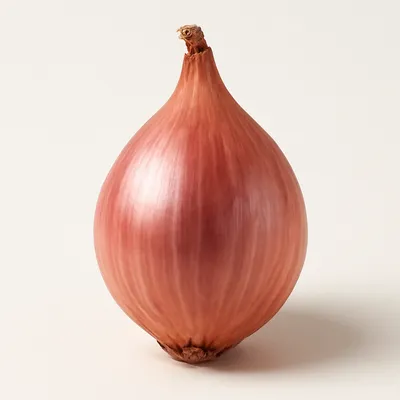
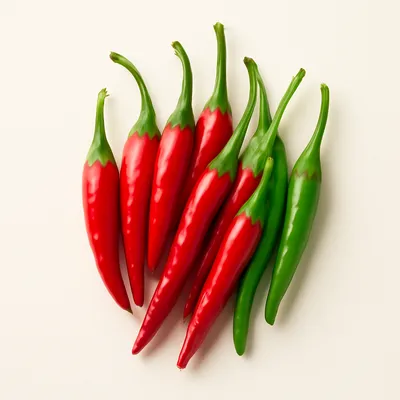
Pound shallots, garlic, chili, candlenut, galangal, turmeric, lemongrass and shrimp paste into base genep paste.
- 38 min
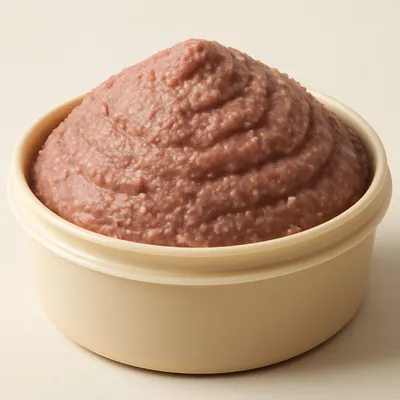
Fry the paste in oil over low heat until fragrant, darkened and no longer raw, then cool.
Watch outFry the spice paste until fragrant, darkened and no longer raw before it meets the meat — this blooms the aromatics and cooks out the harshness; skip it and the raw paste tastes sharp.
- 45 min
Mix the cooled paste thoroughly into the mince with grated coconut, a little salt and palm sugar.
- 54 min
Soften banana-leaf squares over a flame so they fold without tearing.
- 66 min
Spoon mince onto each leaf, tuck in a slice of chili or lemongrass, and fold into a snug parcel, securing the ends.
- 720 min
Steam the parcels over rapidly boiling water until the chicken is firm and cooked through.
Watch outSteam over a hard boil just until the chicken is firm and cooked through — the sealed leaf traps the steam so the fine mince sets moist without weeping.
- 83 min
Rest briefly, then serve warm in the leaf with rice.
Archive tool suggestions — not reviewed
These legacy suggestions have not been evidence-reviewed and are not presented as required tools.


