Nasi jinggo is Bali's archetypal late-night street meal: a fist-sized portion of white rice packed into a banana-leaf cone with a spoonful of sambal goreng, a tangle of fried noodles, shredded chicken, a little spiced tempe, and a smear of fiery sambal. Each parcel is tiny and cheap by design, meant to be unwrapped and eaten on the spot or grabbed two at a time. It is everyday warung and roadside food rather than ceremonial cooking, sold from buckets and warm boxes long after the kitchens of fancier places have closed.




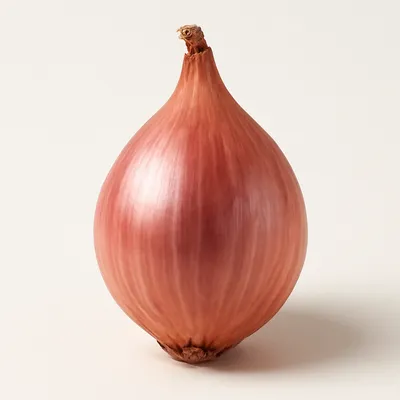

Nasi jinggo emerged in Denpasar in the 1980s, first sold along Jalan Gajah Mada near the round-the-clock Kumbasari market as cheap supper for late workers and night travellers. The name's roots are genuinely uncertain — popular accounts trace it variously to the Hokkien jeng go (one thousand five hundred, the old rupiah price), to Javanese for something small, or to the 1960s film Django — so the etymology is best left open. By most accounts the first vendors were a Javanese family who adapted the small banana-leaf packet to Bali's street trade, and it spread into an island-wide night-food institution.
You unwrap warm banana leaf to a few mouthfuls of rice that has taken on the leaf's faint grassy scent, crowned with just enough garnish to season it: sweet-savoury sambal goreng, oily noodles, threads of chicken, and a hit of chili that builds with each bite. It is deliberately small, so the pleasure is in the contrast of plain rice against the concentrated, salty-spicy toppings rather than in volume.
The whole format turns on the banana-leaf wrap: folded around hot rice, the leaf traps steam so the grains stay moist and pick up a green, faintly tea-like aroma from compounds released by the warm leaf. The sambal goreng and chili are cooked down hard so a very small amount carries big flavour — the wrap concentrates rather than dilutes. Because nothing is reheated to order, components are kept warm and assembled fast, which is why portions stay small and turnover stays high.
Variations
Fillings shift by stall — some lean on shredded chicken and fried tempe, others add a sliver of fried egg, serundeng (toasted spiced coconut), or a dab of shredded beef. Halal versions skip the pork-derived components common in some recipes; pricier modern takes pile on more garnish, though purists prize the spare, two-bite original.
On the Palate
Where Nasi Jinggo sits in the Indonesian flavor cloud
Ingredients
Serves 4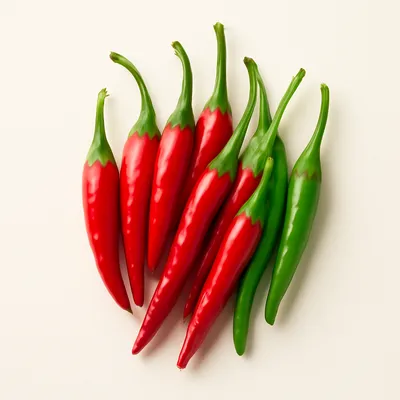



How it's made
8 steps · 30 min active + 10 min waiting
- 115 min
Cook rice until just done and keep it warm and slightly firm.
- 28 min
Pound shallots, garlic, chili, candlenut, turmeric and a little shrimp paste into a paste and fry it in oil until fragrant and the raw smell is gone.
Watch outFry the spice paste until fragrant and the raw smell is fully gone — that raw-aromatic edge cooked out is what lets a tiny amount carry the whole parcel; underfry it and the sambal tastes green.
- 36 min
Stir half the paste with shredded chicken to make a quick sambal goreng; toss the rest through boiled noodles and fried tempe.
- 45 min
Make a sharper finishing sambal from extra fried chili, shallot and lime.
- 53 min
Soften banana-leaf squares over a flame so they fold without splitting.
Watch outPass the banana-leaf squares briefly over a flame until supple — a quick warming softens them so they fold snug without splitting and cracking open.
- 64 min
Spoon a small mound of rice onto each leaf, add a little of each garnish and a smear of sambal.
- 73 min
Fold the leaf into a snug cone or packet and secure it with a sliver of stick or staple.
- 82 min
Serve warm, two small parcels to a portion, with extra sambal on the side.
