Indonesia / Madura Island (off East Java)

Madurese

The island that gave Indonesia its satay — sweet-soy sate madura, clear beefy soto, and thrifty, intense uses of the whole animal.

6 dishes · 27 ingredients · 10 techniquesReference
Signature·Dish

Sate Madura

Charcoal chicken skewers in a sweet-soy-and-peanut sauce — the archetypal Indonesian satay, carried nationwide by Madurese vendors.

View page →

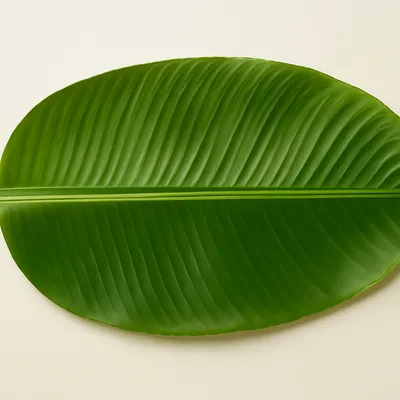
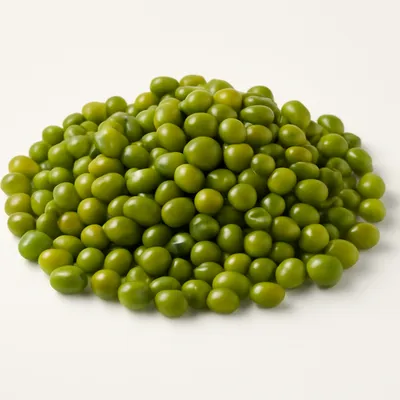
Madura, the dry island off East Java, sent its satay vendors across the archipelago, and sate madura — charcoal chicken or mutton skewers under a sweet-soy-and-peanut sauce — became the satay most Indonesians picture. At home the table is frugal and full-flavored: soto madura, a clear beef-and-offal soup brightened with lime and koya; kaldu kokot, a cow-trotter broth with mung beans; bebek songkem, duck steamed in banana leaf; and nasi serpang, a Bangkalan breakfast heaped with a dozen little sides.

Start Here

Sate Madura

Charcoal chicken skewers in a sweet-soy-and-peanut sauce.

Why start here · The archetypal Indonesian satay.

Soto Madura

Clear beef-and-offal soup brightened with lime and koya.

Why start here · The island's everyday soup.

Bebek Songkem

Duck steamed and smoked in banana leaf until tender.

Why start here · The Madurese banana-leaf duck.

The Pantry
See all 27 ingredients

How They Cook

Techniques that define this cuisine

See 6 more techniques

Other regions

Siblings within Indonesian — each its own tradition.

Javanese
28

The dominant plate — gudeg, soto, bakso, nasi goreng. Sweet-leaning palace tradition (kraton Yogyakarta), pan-Indonesian street staples.

Sundanese
18

Fresh raw vegetables (lalapan), karedok, sambal-heavy — the Bandung kitchen. Less sweet than Javanese, more herbaceous and bright.

Padang
17

Minangkabau coconut-and-chili tradition — rendang, nasi padang's parade of small dishes, gulai. Among the world's spiciest cuisines.

Balinese
16

Distinct Hindu island — babi guling (suckling pig), bebek betutu, lawar, sate lilit. Built on base genep spice paste; ceremonial cooking is daily life here.

Betawi
13

Jakarta-Betawi cuisine reflects the cosmopolitan capital region: Soto Betawi (creamy beef soup), Kerak Telor (Jakarta omelet), Asinan Betawi (pickled-vegetable salad), Gado-Gado (mixed salad with peanut sauce). The cuisine has Malay-Chinese-Arab-European fusion from Jakarta's 400-year port history.

Manado
11

Manado / Minahasan cuisine of North Sulawesi is Indonesia's spiciest regional cuisine — Ayam Rica-Rica (spicy chicken), Tinutuan/Bubur Manado (vegetable porridge), Cakalang Fufu (smoked tuna), Dabu-Dabu (raw chili sambal). Heavy use of bird's eye chilies, kemangi (lemon basil), and Pacific seafood.

Palembang
10

South Sumatra's fish-paste kitchen, built along the Musi River. Springy pempek and its cousins — tekwan, model, laksan — dipped in a dark, fierce sweet-sour cuko, alongside tamarind-soured pindang fish soups and the coconut-rich mie celor.

Acehnese
9

The curry-forward, Indian- and Arab-inflected cooking of Sumatra's northern tip — fragrant mie aceh, fried-curry-leaf ayam tangkap, vinegar-stewed sie reuboh, and vegetable curries built on fermented pliek u. Spice-trade history in every pot.

Makassar
9

The beef-and-broth cooking of the Bugis-Makassar coast — coto, konro and pallubasa, dark with keluak or rich with toasted coconut, ladled over ketupat. Sour pallumara fish soups, charred konro ribs, and the green-banana sweet es pisang ijo off Losari beach.

Banjar
7

The Banjarese kitchen of South Kalimantan, river-fed and spice-trade-scented — clove-and-cinnamon soto banjar, smoked-snakehead ketupat kandangan, and the sweet dried-chili masak habang that glazes its fish and fowl.

Signature Dishes (6)

Browse all 6 dishes