
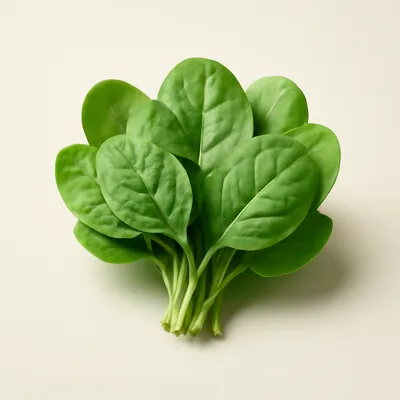
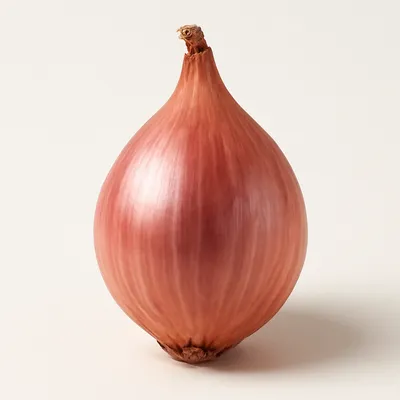
Balinese vegetable-coconut salad — blanched bean sprouts, long beans, and spinach tossed with freshly-grated coconut, lime juice, kaffir lime leaves, palm sugar, and the Balinese 'sambal embe' (fried shallot + garlic + chili). Sweet, sour, spicy, and aromatic in one mouthful — Bali's most ubiquitous vegetable side, served at every Balinese restaurant and ceremonial meal.




Jukut Urab (sometimes just 'urab' in casual usage) is one of Bali's foundational vegetable preparations, found on every nasi campur Bali plate. It belongs to the broader Indonesian 'urap' family (similar dishes exist in Java and Sulawesi) but the Balinese version is distinguished by: (1) more aggressive chili content, (2) inclusion of fried-shallot/garlic 'sambal embe,' (3) fresh kaffir lime leaves added at the end. The dish has deep Hindu-Balinese ceremonial roots — at temple offerings, urab is one of the standard 'sajen' (offerings) made because of its symbolic balance of elements (raw + cooked, sweet + sour + spicy). Modern Balinese restaurants serve it as the canonical vegetable component; tourist menus sometimes call it 'Balinese vegetable salad.'.
Jukut Urab is a study in five simultaneous tastes: sweet (palm sugar + coconut), sour (lime + tamarind), spicy (chili + raw shallot), salty (terasi + salt), and umami (toasted shrimp paste). Add to that the textures: crunchy bean sprouts, tender long beans, soft spinach, dry-grated coconut, crispy fried shallots. Each forkful brings a different combination. Eaten alongside grilled chicken with rice, it's the bridge between protein and palate-cleansing. A small portion serves as side; a large bowl with rice becomes a meal.
Coconut is the technical centerpiece. Freshly-grated coconut (NOT desiccated) provides fat-soluble flavor carriers + soft chewy texture + slight sweetness. The pounded spice paste (without cooking) lets the chili + raw garlic + shrimp paste flavors hit the palate sharply rather than mellow-developed. Sambal embe is the warm-fragrant counterpoint — fried shallots + garlic provide caramelized sweetness while the infused coconut oil adds aromatic depth. The kaffir lime leaves are added last because their oils dissipate quickly with heat.
Variations
Balinese canonical (with sambal embe + kaffir lime); 'Urap Bali Vegetarian' (without shrimp paste, using miso or mushroom for umami); 'Urap Bunga Pepaya' (with papaya flower); 'Urap Daun Singkong' (with cassava leaves as the main vegetable); modern wellness-focused versions add quinoa or steamed cauliflower; the Javanese 'urap' family member is similar but milder.
On the Palate
Where Jukut Urab sits in the Indonesian flavor cloud
Ingredients
Serves 4




How it's made
7 steps · 25 min active + 5 min waiting
- 110 min
Blanch vegetables: bring a large pot of salted water to a boil. Cook in succession: 200g long beans (cut to 4cm) for 2 min, 200g bean sprouts for 30 sec, 200g spinach for 30 sec. Drain each separately; shock in ice water; squeeze excess water from spinach (don't squeeze the bean sprouts — they'll break).
Watch outBlanch each vegetable just seconds, then plunge into ice water to lock the green and crunch — squeeze the spinach dry but leave the sprouts alone or they snap.
- 25 min
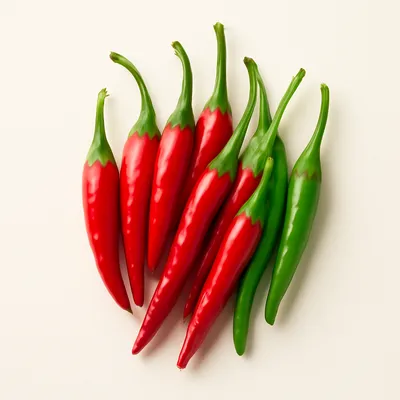
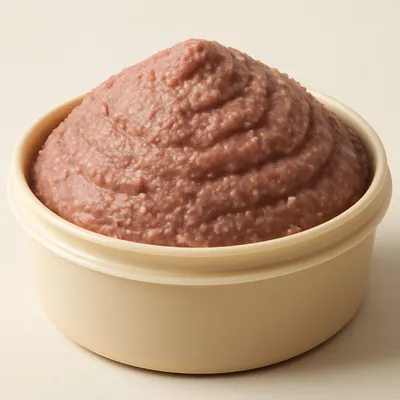
Make spice paste: in a mortar pound 4 garlic cloves + 4 red chilies + 3 bird's eye chilies (or to taste) + 1 tsp toasted shrimp paste + 2 tbsp palm sugar (shaved) + 1 tsp salt. Add 1 tbsp lime juice + 2 tbsp tamarind water; mix.
- 36 min
Make sambal embe: in a small pan heat 3 tbsp coconut oil. Add 6 thinly-sliced shallots; fry 4 min until crisp. Add 4 thinly-sliced garlic cloves + 3 thinly-sliced bird's eye chilies; fry 30 sec more (don't burn). Remove with slotted spoon; reserve the infused oil.
Watch outFry the shallots to crisp and golden, then add garlic and chili for just half a minute — pull them the second they color or the bitterness takes over.
- 43 min
In a large bowl combine 200g freshly-grated coconut + the spice paste + 2 finely-shredded kaffir lime leaves. Toss to combine.
Watch outFold in the kaffir lime leaves off the heat at the end — their fragrance flashes off fast, so late keeps it bright.
- 53 min
Add the blanched vegetables to the bowl. Toss gently to coat — use clean hands for best mixing.
- 62 min
Just before serving, top with the sambal embe + the infused coconut oil. Toss lightly to mix.
- 71 min
Serve at room temperature on a banana leaf or platter as part of a Balinese meal. Don't refrigerate — the coconut hardens and flavors dull when cold.


