
Balinese mixed-rice plate — a portion of steamed white rice ringed by 6-8 small Balinese specialties: lawar (vegetable-coconut salad), sate lilit (lemongrass minced satay), ayam suwir (shredded spice chicken), urap (coconut-vegetable mix), sambal matah (raw shallot-chili), peyek (peanut crackers), and a chunk of crispy fried pork or chicken. The taste-everything plate that defines a Balinese restaurant — different from Indonesian nasi campur by its specific Balinese components.
Nasi Campur Bali is Bali's most identifiable everyday meal, served at warungs, family restaurants, and high-end resorts alike. The plate format comes from Balinese ceremonial cuisine — at Hindu temple ceremonies, multiple specialty dishes are arranged on banana leaves around a mound of rice as 'sajen' (offering) which is then eaten by participants. The everyday warung version maintains the spirit: variety, balance, multiple flavor profiles in one plate. The classic 'Warung Wardani' in Denpasar has run since the 1970s and is considered the canonical reference for Balinese nasi campur. Modern tourist-Bali serves 'Mexican-influenced' versions, but the authentic plate must include lawar + sambal matah at minimum.
Nasi Campur Bali is impossible to describe with one taste — that's the point. Each piece on the plate is its own complete experience. Sambal matah hits with raw shallot pungency + lime-leaf perfume + chili spike. Urap brings sweet coconut + vegetable freshness. Ayam suwir is mild-spiced shreddy chicken. Sate lilit is grilled-aromatic with lemongrass-bumbu. Lawar (if included) is funky-rich. Together with the rice, each bite is whatever combination you grab — sometimes mostly rice + sambal + chicken, sometimes rice + urap + peyek + lime. The plate teaches you Balinese eating: variety, not concentration.
Nasi Campur Bali is less about a single technique and more about composition. Each component is made separately with its own bumbu (Balinese spice paste), then assembled at service. The 'bumbu Bali' aromatic base — shallot + garlic + ginger + turmeric + kaffir lime + chili — appears in different proportions in each component, creating family-resemblance flavor coherence. The fresh sambal matah is added at serving time only (raw shallot loses pungency within hours). The plate format follows a balanced principle: protein + vegetable + carb + sambal + textural crunch (peyek) + acid (lime).
Variations
Warung Wardani canonical (with lawar + sambal matah + ayam suwir + babi guling crackling); tourist-Bali version (often simplified, may omit lawar, add Western sides); Balinese Hindu ceremonial version uses sacred pork prepared by religious specialists; vegetarian Nasi Campur (no pork or sate lilit chicken) uses tempe + tofu + lawar nyat-nyat; rice replaced with red rice for healthier modern version.
On the Palate
Where Nasi Campur Bali sits in the Indonesian flavor cloud
Ingredients
Serves 4
















How it's made
7 steps · 1 hour active + 30 min waiting
- 127 min
Make ayam suwir (shredded spice chicken): in a pot simmer 400g chicken thighs + 200ml water + 4 shallots (sliced) + 3 garlic cloves + 2cm ginger + 1 tsp ground coriander + 1/2 tsp turmeric + 2 kaffir lime leaves + 1 tsp salt for 25 min. Shred chicken; reduce sauce to a glaze; coat shreds. Set aside.
Watch outReduce the chicken cooking liquid down to a sticky glaze, then toss the shreds so every strand is coated and glossy.
- 212 min
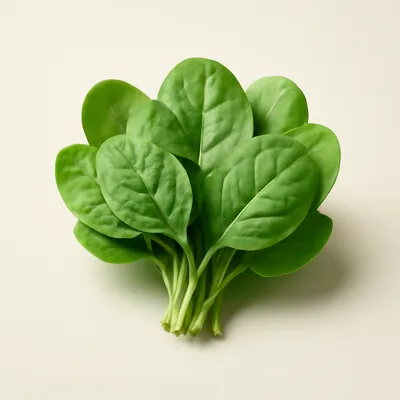
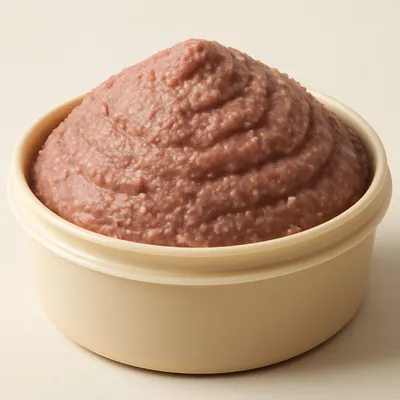
Make urap (coconut-vegetable mix): blanch 100g blanched spinach + 100g blanched bean sprouts + 50g blanched long beans (cut). In a mortar pound 4 garlic + 2 chilies + 1 tsp toasted shrimp paste + 1 tsp palm sugar + 1/2 tsp salt + 2 kaffir lime leaves (shredded). Mix this paste with 100g freshly-grated coconut + 1 tbsp lime juice. Toss with the blanched vegetables.
- 317 min
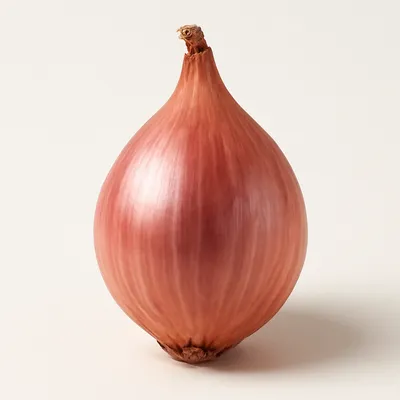
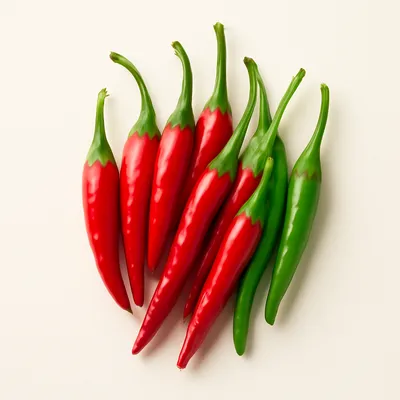
Make sambal matah: thinly slice 6 shallots + 2 bird's eye chilies + 1 stalk lemongrass (tender white part only). Add 2 kaffir lime leaves (very finely shredded) + 1 tsp toasted shrimp paste (crumbled) + 2 tbsp coconut oil (heated then cooled) + 1 tbsp lime juice + 1/2 tsp salt. Toss together; let stand 15 min for flavors to mingle.
Watch outAfter tossing, let the sambal stand 15 minutes so the shallot, chili, and lime meld — you'll smell it turn rounder.
- 48 min
Make peyek (or use store-bought): mix 50g rice flour + 1 tbsp coconut milk + 1 tsp turmeric + 1/4 tsp salt + 50ml water. Spread thinly on a hot oiled pan; sprinkle 20g peanuts on top; fry until crispy. Drain.
Watch outSpread the peyek batter thin on the hot pan and fry until it's lacy and crisp; too thick and it stays chewy.
- 530 min
Steam 400g white rice (about 30 min for jasmine or basmati).
- 612 min
Cook a separate protein: choose either 4 sate lilit skewers (see Sate Lilit recipe — minced chicken + bumbu lemongrass on bamboo skewers, grilled 8 min); or 200g crispy fried pork belly (cubed, deep-fried until crackling); or fried tofu cubes.
- 74 min
Assemble each plate: scoop a portion of rice in the center. Around the rice, arrange small piles of: ayam suwir (1 tbsp), urap (2 tbsp), 2 sate lilit skewers (or pork belly), 1 tbsp sambal matah, 1 small piece peyek, and 1 tbsp lawar (or substitute with the urap mix if lawar not separately made). Garnish with a lime wedge and fried shallots. Serve warm with extra sambal on the side.


