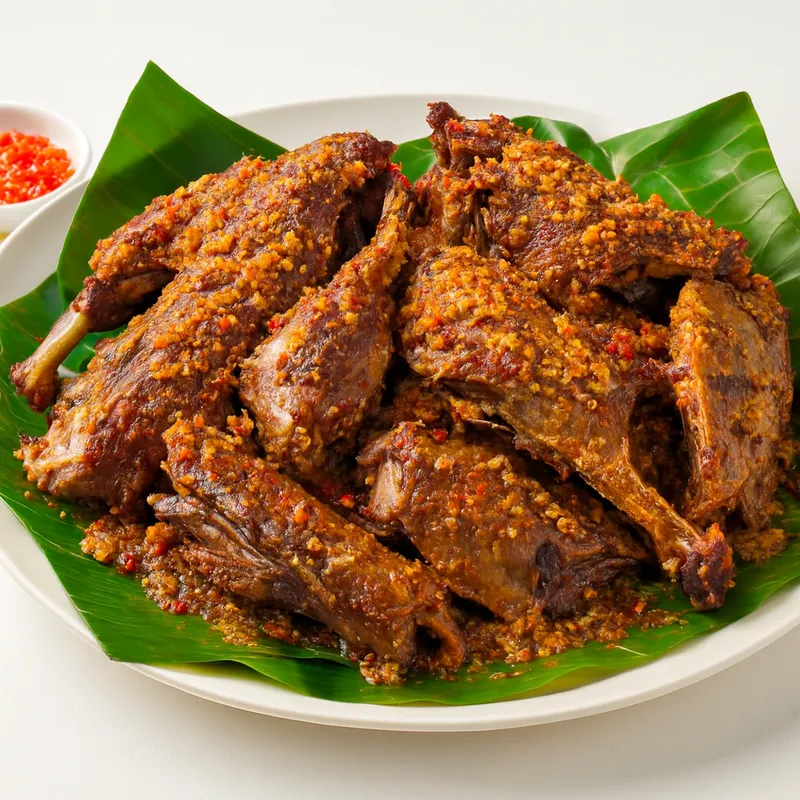
East Javanese black beef soup — beef brisket simmered in a broth darkened with kluwek (black nut, fermented), giving the soup its distinctive deep black-brown color and an earthy umami-mushroom-truffle flavor unique among Indonesian soups. Served with white rice, bean sprouts, salted egg, fried shallots, sambal terasi, and a wedge of lime — Surabaya and Pasuruan's most identifiable dish.
Rawon's defining ingredient is kluwek (Pangium edule), a large black nut that is toxic raw — it must be fermented for 40 days in clay-lined pits with rice straw or sand. Only after fermentation is the cyanide content reduced enough for safe consumption, leaving a deeply funky, earthy-mushroom flavor reminiscent of truffles or aged miso. The dish originated in Java's eastern Mataram-influenced region (Surabaya, Pasuruan, Probolinggo) and is documented as early as the 10th-century Taji inscription (c. 901 CE) of East Java, making it one of the oldest recorded Indonesian dishes. The combination of beef + black kluwek broth is uniquely East Javanese; no other Indonesian region has a soup quite like it. Modern Indonesian-American restaurants outside Java sometimes adapt by using mushroom-soy combination, but authentic rawon requires the real kluwek nut.
Rawon's first impression is visual — the broth is genuinely black, not just dark, with beef cubes floating in what looks like ink. The first spoon is shocking in a good way: deep beefy umami amplified by something earthy and mushroom-truffle-like (the kluwek), with restrained spice — not chili-hot, but warm. The bean sprouts on top add crunch and freshness. The salted duck egg cracked open releases bright orange yolk that streaks through the black broth like a sunset. Two spoons in, you understand why East Javanese people consider this the soul-food of the region.
Kluwek (Pangium edule) is the entire technical foundation of rawon. Raw kluwek contains hydrogen cyanide and is toxic. The 40-day burial fermentation hydrolyzes glycosides and converts toxic compounds, while developing umami via amino acid breakdown — similar to how doubanjiang or miso develops. The fermented nut paste is high in glutamates and produces flavors reminiscent of black truffle, black garlic, and aged miso simultaneously. Boiling the paste in beef broth deepens these flavors and dyes the broth jet-black via melanoidin compounds.
Variations
Rawon Surabaya (canonical East Javanese version, slightly less sweet); Rawon Pasuruan (slightly more spice, more salam leaves); modern Indonesian-American versions sometimes substitute black truffle oil + soy + mushroom for kluwek but it doesn't taste the same; commercial rawon paste exists in jars (use 2 tbsp + omit kluwek nut soaking) but the flavor is muted; rawon empal uses fried-tendered beef instead of regular brisket.
On the Palate
Where Rawon sits in the Indonesian flavor cloud
Fry the fermented kluwek spice paste in oil until it turns deeply fragrant and the oil rises to the surface before it meets the broth — this bloom is what dyes the soup jet-black and gives it its truffle-like, aged-miso funk.
Ingredients
Serves 6









How it's made
8 steps · 50 min active + 2 hours 10 min waiting
- 195 min
Simmer beef: in a stockpot combine 800g beef brisket (cubed 3cm) + 2.5L water + 1 tsp salt. Bring to boil; reduce; simmer 90 min until tender. Skim foam regularly.
- 28 min
Prep kluwek: crack open 4-6 black kluwek nuts; scoop out the dark paste (each nut yields ~1 tbsp paste). Soak the paste in 1/2 cup warm water 5 min; mash smooth.
- 35 min
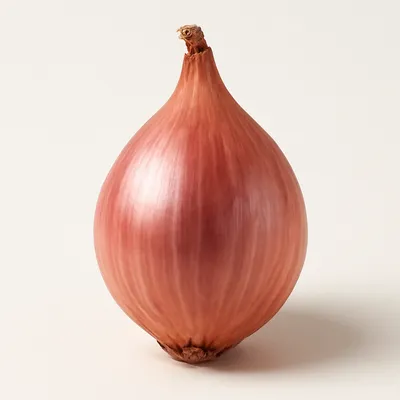
Make spice paste: in a blender combine 8 shallots + 5 garlic cloves + 4 candlenuts + 2cm fresh turmeric + 3cm ginger + 1 tsp coriander seeds + the soaked kluwek paste. Blend smooth.
- 410 min
Sauté the spice paste in 3 tbsp oil 8 min until very fragrant and oil rises to surface. Add 3 kaffir lime leaves + 2 stalks lemongrass (smashed) + 3 salam leaves. Stir 1 min.
Watch outThe paste is ready when it stops smelling raw, turns intensely aromatic, and a slick of oil pools at the edges of the pan.
- 535 min
Pour the spice mixture into the beef pot; stir well. Continue simmering 30 min more (the broth will turn deep black-brown).
Watch outAs the paste simmers into the broth it should darken to a deep black-brown over the 30 min — that's the melanoidins developing.
- 63 min
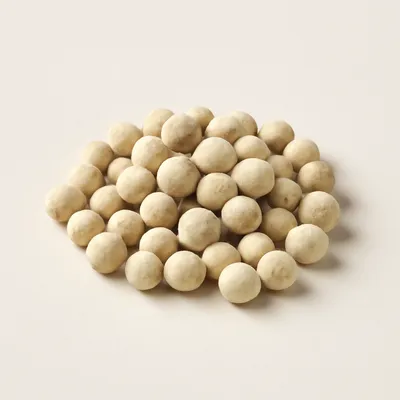
Adjust seasoning: add 1 tbsp palm sugar + 1 tsp salt + 1/2 tsp white pepper. Taste — should be deeply beefy + earthy-fermented + slightly sweet.
Watch outTaste before serving — it should read deeply beefy, earthy-fermented, and just faintly sweet, with no raw or bitter edge.
- 72 min
Blanch 200g bean sprouts in hot water 30 sec; drain.
- 85 min
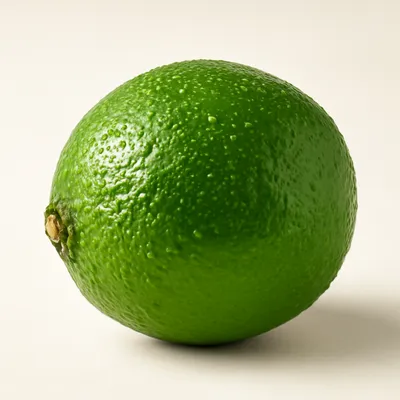
Serve: ladle the black broth + beef cubes into bowls. Top with bean sprouts + 1/2 salted duck egg per bowl + 1 tbsp fried shallots + chopped green onion + lime wedge. Serve with steamed rice + sambal terasi + emping (melinjo crackers) on the side.