
Balinese fried-shallot-and-garlic chili condiment — paper-thin slices of shallot, garlic, and bird's eye chili fried slowly in coconut oil until deeply golden and crispy, then mixed with toasted shrimp paste and lime. Sweet-salty-spicy-aromatic-crunchy, used as a topping for nasi campur, lawar, urab, and almost any Balinese plate. Distinct from sambal matah (the raw version) by its caramelized depth.
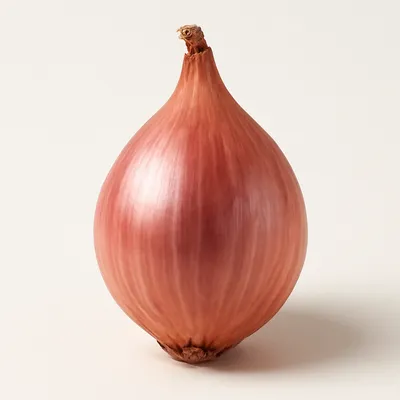

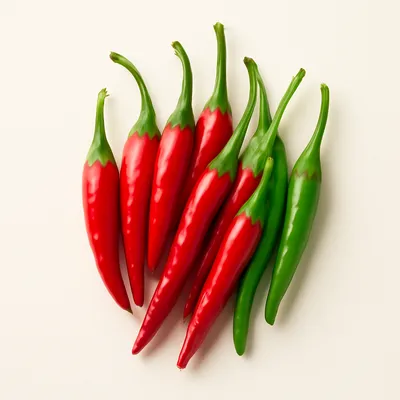

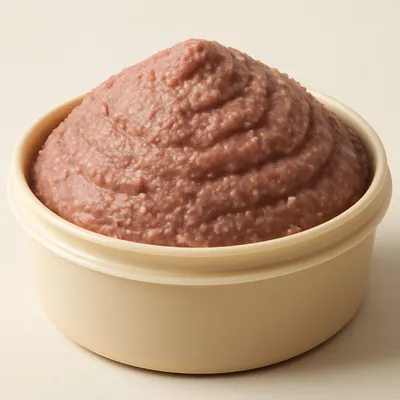

Sambal Embe is one of the foundational sambals of Balinese cooking, used on virtually everything. The technique of slow-frying aromatics in coconut oil until caramelized is unique to Bali (Javanese and Sundanese sambals use shorter cooks). 'Embe' refers to the dry-crispy texture (as opposed to 'matah' which means raw). It's both a condiment and a flavor-foundation: a tablespoon of sambal embe added to urab transforms the dish, and a generous spoon over rice + nothing else makes a respectable meal. The 'sambal embe' jars sold at Balinese supermarkets are an everyday pantry item; tourists discover it and ship jars home. Distinct from Lombok's 'sambal beberuk' or Java's 'sambal goreng.'.
A spoonful of sambal embe is multiple textures and flavors at once: crispy shards of caramelized shallot + crackling garlic + chili-hot chunks + creamy infused coconut oil. The Maillard-developed sweetness of slowly-fried shallots is the dominant note, with chili providing the heat layer, terasi providing fermented umami, and lime adding brightness. Drop a teaspoon on a forkful of plain rice and the rice becomes a meal. Drop it on grilled fish and the fish becomes a Balinese feast.
Slow-frying at 130°C (much lower than typical sauté at 175°C+) is the technical key. At lower temperature, the aromatics gradually dehydrate while undergoing Maillard browning, developing complex sweetness + crispness without burning. Higher heat would caramelize too quickly and create bitter notes. The infused coconut oil carries the flavor; it's why sambal embe is also a 'sauce' (the oil is delicious on its own). Adding lime juice OFF heat preserves volatile aromatics. Shrimp paste must be toasted first (separately) — adding raw terasi leaves a fishy off-note.
Variations
Balinese canonical (with terasi, lime, kaffir lime); 'Sambal Embe Tanpa Terasi' (vegetarian, without shrimp paste); 'Sambal Embe Pedas Banget' (extra spicy — more chilies); modern variation includes a dash of fish sauce for deeper umami; 'Sambal Bawang Goreng' (Javanese version, similar but with palm sugar dominant); commercial jarred versions exist (Bali Bumbu brand is widespread) but fresh-fried has notably better crunch.
On the Palate
Where Sambal Embe sits in the Indonesian flavor cloud
Fry the aromatics low and slow (~130°C), not hot — gentle heat dehydrates the shallots and garlic to a sweet, even crispness, while a hot pan scorches them bitter before they dry.
Ingredients
Serves 6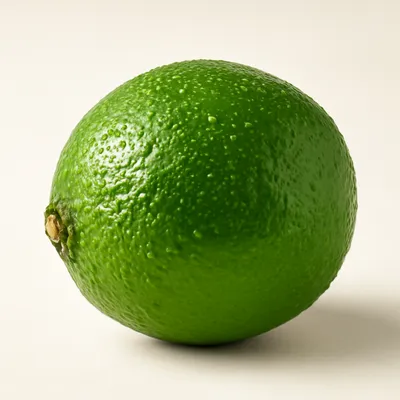


How it's made
8 steps · 20 min active + 5 min waiting
- 15 min
Prep aromatics: thinly slice (1-2mm) on a sharp knife: 10 shallots, 8 garlic cloves, 8 bird's eye chilies (use red for color), and 4 large red chilies. Keep separated by type.
- 21 min
Heat 4 tbsp coconut oil in a wok over medium-low heat — temperature around 130°C. Lower heat is critical to prevent burning.
- 37 min
Add the shallots first; cook slowly 6-8 min, stirring frequently, until pale-golden and starting to crisp.
Watch outThe shallots are ready when pale-gold and just turning crisp at the edges — they'll firm up more as they cool, so pull them before deep brown.
- 42 min
Add the garlic slices; cook 2 min more until golden (garlic burns fastest — watch carefully).
- 52 min
Add the bird's eye chilies + large red chili slices; cook 2 min more until everything is uniformly golden-crispy.
- 62 min
Remove the wok from heat. Add 1 tbsp toasted shrimp paste (crumbled); stir to dissolve in the oil. Add 1 tsp palm sugar (shaved) + 1 tsp salt; stir 30 sec until dissolved.
Watch outOff the heat, stir until the toasted shrimp paste melts smoothly into the oil with no gritty lumps.
- 71 min
Stir in 1 tbsp lime juice off heat (so it doesn't evaporate). Optionally add 2 finely-shredded kaffir lime leaves.
Watch outAdd the lime juice only once the pan is off the stove — the goal is a bright fresh lift, not cooked-away sourness.
- 85 min
Cool to room temperature. Transfer with the coconut oil to a clean jar; the oil should cover everything. Keeps refrigerated for 2 weeks. Serve as a condiment alongside any Balinese plate — particularly with nasi campur Bali and urab.


