
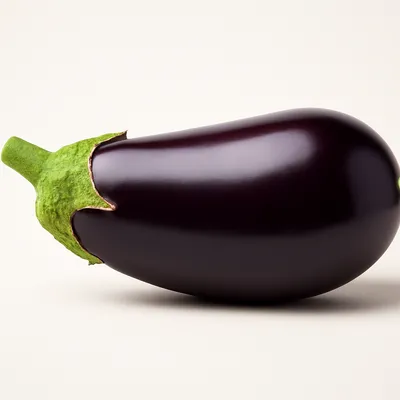
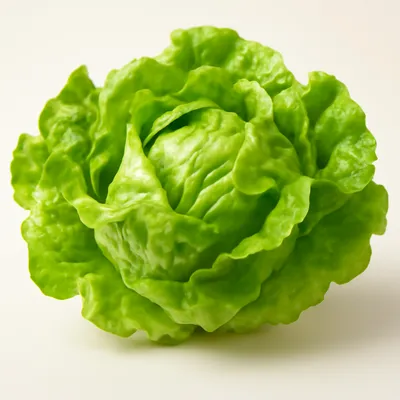
Sundanese fresh-vegetable platter — an assortment of raw vegetables (cucumber, cabbage leaves, basil, long beans, eggplant slices, lettuce) arranged on a wide plate, eaten by hand and dipped into a vivid red sambal terasi. The Sundanese definition of a vegetable side: not cooked, not dressed, just fresh produce + dynamite sambal. Always served alongside grilled chicken, fried tempe, or rice as a co-equal element on the plate.



Lalapan is the foundational vegetable practice of Sundanese cuisine, embodying the West Javanese philosophy that fresh vegetables paired with intense sambal are the highest form of vegetable cookery. The practice dates back centuries to Sundanese highland villages where fresh greens were abundant and cooking fuel was scarce. Modern Sundanese restaurants (warung Sunda) ALWAYS include a free lalapan plate with any meal — refusing it is considered odd. The vegetable mix shifts with season: dry-season selection might include more cucumber and long beans; rainy season brings more leafy greens. The accompanying sambal is what differentiates one lalapan from another — every restaurant has its own sambal recipe and they compete on it.
Lalapan is built around contrast. The vegetables themselves are intentionally plain — crisp cucumber, slightly-bitter cabbage, herbal lemon basil, raw bean tang. The sambal is the entire flavor universe: chili-fire, fermented umami from terasi, lime acidity, palm sugar warmth, tomato brightness. You take a whole cabbage leaf, wrap it around rice + grilled chicken + a smear of sambal, and the bite is unbelievably complete: fresh-cold-crunch-spice-savory-sweet all in one. After a Western meal you feel heavy; after a Sundanese meal with lalapan you feel light and alert.
Lalapan's whole-vegetable rawness is the technical key — no salt, no oil, no dressing means each vegetable's individual character is preserved. The sambal terasi is where all the technical work happens: pounding (not blending) bird's eye + shallot + terasi creates a paste with chunky texture that delivers different sensations per bite. Toasted shrimp paste (terasi) provides glutamates + fermented funk; palm sugar balances; lime juice brightens. The Sundanese practice of serving sambal as a side rather than dressing keeps the vegetables crisp until eaten.
Variations
Sundanese canonical lalapan (raw greens + sambal terasi); 'lalap mentah' (entirely raw vegetables including raw long beans); 'lalap rebus' (briefly blanched vegetables, milder); 'lalap pucuk daun' (raw young leaves only — daun papaya, daun singkong, daun pepaya muda); Yogyakarta variation 'lalap' uses pickled vegetables; modern restaurant 'lalap fancy' includes microgreens and edible flowers.
On the Palate
Where Lalapan sits in the Indonesian flavor cloud
Ingredients
Serves 4






How it's made
7 steps · 20 min active + 5 min waiting
- 15 min
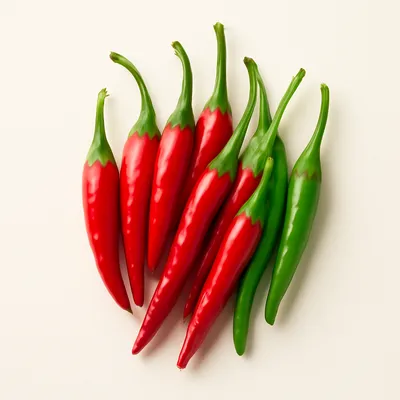
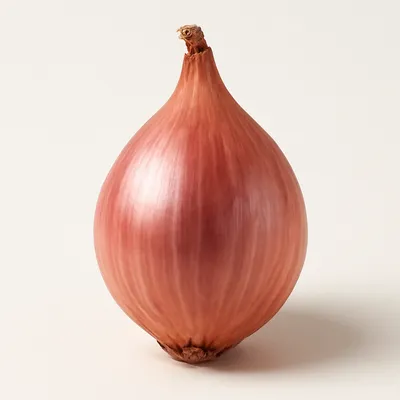
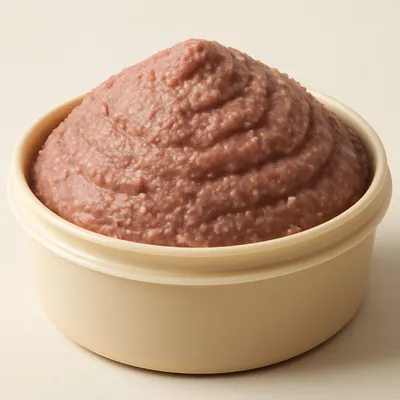
Make sambal terasi: in a mortar (preferred) or food processor, pound together 6 red bird's eye chilies + 4 large red chilies + 4 shallots (halved) + 4 garlic cloves + 1 tbsp toasted shrimp paste (terasi) + 1 tsp palm sugar + 1 tsp salt.
Watch outPound in stages, hardest bits first; the paste should look flecked and rough, not puréed.
- 23 min
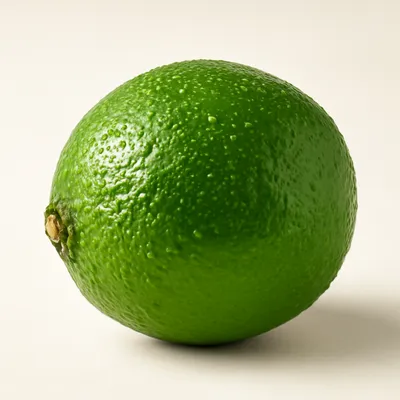
Add 1 tbsp lime juice + 1 tbsp tamarind water + 2 small tomatoes (quartered). Pound to a coarse paste — not smooth, leave some texture.
- 32 min
Optional: toast the sambal briefly: heat 1 tsp oil in a small pan; add the sambal; stir 90 sec until fragrant; remove. (Or serve raw for sambal mentah.)
Watch outWhen you toast it, stir constantly for that minute and a half — the moment it smells nutty and sharp, it's done.
- 48 min
Prep vegetables: thoroughly wash and dry: 1 cucumber (sliced into batons), 8 cabbage leaves (whole), 1 bunch lemon basil (kemangi), 100g long beans (raw, trimmed), 1 small eggplant (sliced thin, raw or briefly steamed for 2 min), 8 small lettuce leaves.
Watch outDry the washed vegetables well; stray water dilutes the sambal on contact and dulls the crunch.
- 53 min
Arrange the vegetables on a wide platter or shallow basket lined with banana leaf. Cluster by type rather than mixing.
- 61 min
Place the sambal in a small bowl in the center of the platter (or use individual ramekins for each diner).
- 73 min
Serve immediately as part of a Sundanese meal — diners take a leaf or vegetable, dip aggressively in sambal, and eat with their fingers alongside rice and the main protein. Replenish vegetables as needed.


