A southern Vietnamese vegetarian coconut curry of fried tofu, taro, sweet potato, and carrot simmered in a fragrant, lightly sweet coconut-milk sauce tinged gold with curry powder and annatto. Lighter and sweeter than its Indian and Khmer relatives, the Vietnamese curry is thin enough to spoon over rice or to mop with bread. The meatless version is a fixture of Buddhist an chay eating and a common festival dish, served at the lunar New Year and on vegetarian days when the same curry would otherwise be made with chicken or goat.

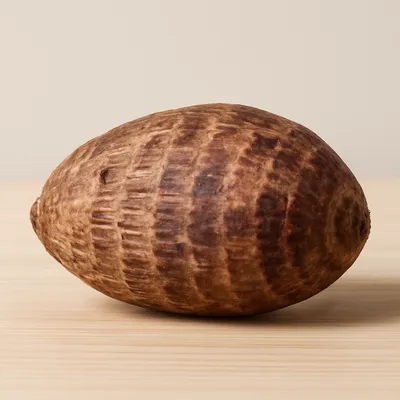
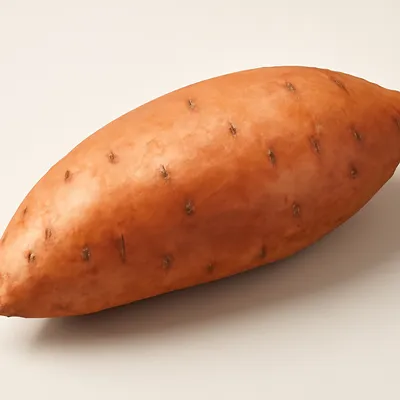


Curry reached Vietnam through several channels — Indian traders and laborers in the colonial port cities, neighboring Khmer cooking, and the broader exchange of Southeast Asia — and settled most firmly in the south, where coconut grows freely and the local palate runs sweet. The Vietnamese result (ca ri) is milder and soupier than Indian curry. The vegetarian form, ca ri chay, belongs to the country's Buddhist an chay tradition of meat-free eating on set lunar days; it is also a familiar dish at weddings, death anniversaries, and Tet, where a fragrant pot of curry feeds a crowd and the chay version accommodates guests who are observing a vegetarian day.
A golden, loose sauce smelling of curry, lemongrass, and coconut. Taro turns soft and almost creamy at the edges and thickens the broth as it breaks down; sweet potato and carrot hold their shape and add a vegetable sweetness; fried tofu stays spongy and soaks the sauce. The coconut milk rounds the spice into something warm rather than hot. Eaten with a baguette torn and dipped, or ladled over rice or rice vermicelli; a squeeze of lime and torn herbs go on at the table.
Coconut milk does double duty: its fat carries the fat-soluble aromatics in curry powder and annatto so the spice blooms, and it tempers the heat into a mild, sweet warmth suited to the southern palate. Frying the tofu first sets a skin so it holds together and absorbs sauce rather than crumbling. The starchy vegetables, especially taro, are the natural thickener — as they soften and partly dissolve they give the thin curry body without any flour or roux. Annatto (hat dieu mau) is there mainly for the warm orange color rather than flavor.
Variations
The non-vegetarian original is most often made with chicken (ca ri ga) or, for celebrations, goat. Within the chay version cooks vary the vegetables freely — eggplant, chayote, peas, or mushrooms join or replace the roots; some add fried tofu puffs or seitan for more chew. Richness ranges from a thin, soupy curry to a thick one finished with extra coconut cream. The accompaniment shifts by region and occasion: baguette, steamed rice, or round rice vermicelli (bun).
On the Palate
Where Ca Ri Chay sits in the Vietnamese flavor cloud
Ingredients
Serves 4


How it's made
7 steps · 25 min active + 25 min waiting
- 110 min
Cut tofu into cubes and fry until golden and skinned; drain.
Watch outFry the tofu until it forms a golden skin — that set surface is what lets it soak up sauce later instead of crumbling into the curry.
- 28 min
Peel and chunk taro, sweet potato, and carrot.
- 35 min
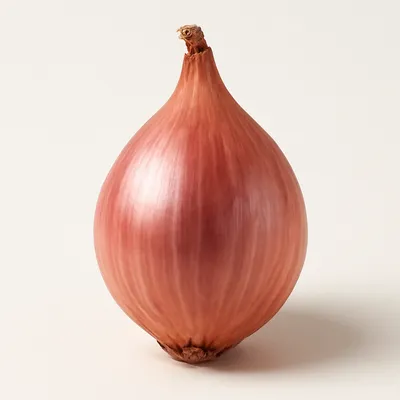
Saute minced lemongrass, garlic, and shallot in oil; stir in curry powder and annatto-infused oil until fragrant.
Watch outFry the curry powder and annatto oil in the aromatics until fragrant — the spice is fat-soluble and only blooms in the oil; skip this and it tastes flat and raw.
- 42 min
Add the root vegetables and toss to coat in the spice.
- 53 min
Pour in coconut milk and water or stock; bring to a simmer and season with salt and a little sugar.
- 618 min
Simmer until the taro is tender and the sauce has thickened, then add the fried tofu to warm through.
- 72 min
Finish with thicker coconut cream if using; serve hot with a baguette or over rice.
