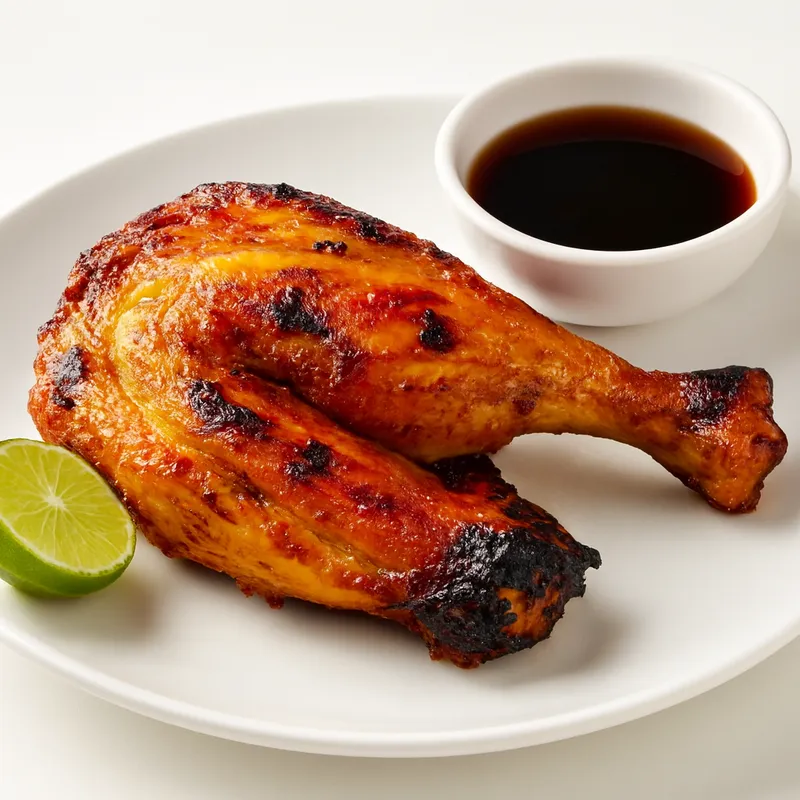
A Bicolano side of grated santol (cotton fruit) stewed in coconut milk with chili and a little pork or shrimp. The fibrous flesh around the seeds is grated off and cooked down into a soft, tangy mash that drinks up the gata. Sour and faintly sweet from the fruit, salty from shrimp paste, and spiked with chili, it is served as a small dish alongside rice. It belongs to Bicol's deep tradition of cooking everything in coconut milk.





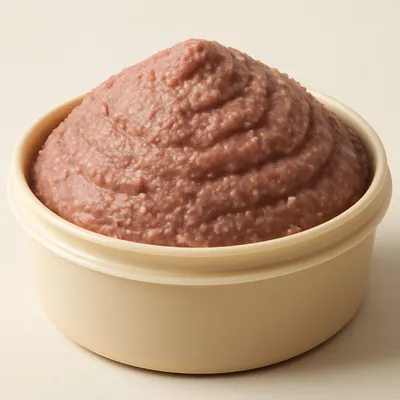
From the Bicol region of southern Luzon, where coconut milk is the universal cooking medium. Ginataang santol turns the santol — a sour-sweet tropical fruit usually eaten raw or pickled elsewhere in the Philippines — into a savory side, a transformation characteristic of Bicolano resourcefulness with local produce. The fruit grows readily across the region. The dish is a home-kitchen preparation rather than one with a single documented origin, and recipes vary household to household.
A soft, slightly fibrous mash the color of cream, fragrant with coconut and shot through with rings of chili. The santol gives a bright sour edge softened by a faint fruit sweetness, which keeps the coconut from feeling heavy. Shrimp paste lays down a salt-funk floor and bits of pork or shrimp add savor. It is rich but tangy, meant in small spoonfuls against plain rice. The texture should be tender, not stringy.
Grating exposes more surface area so the santol's sour flesh both cooks down quickly and releases its acidity into the sauce; some cooks first soak or squeeze the gratings in salted water to draw off excess sourness and the resin that can taste sharp. The fruit's natural acid balances the fat of the coconut milk, which is reduced gently so it thickens without curdling. Shrimp paste is added late, as long cooking turns it bitter.
Variations
Pork belly cubes or small shrimp are the usual additions; a vegetarian version skips them entirely. Some cooks add a handful of malunggay or other greens at the end. The sour level is adjusted by how much the gratings are pre-soaked — a few cooks keep them sharp, others mellow them right down. Camarines and Sorsogon versions tend to be spicier, and a finishing pour of thick coconut cream enriches the dish.
On the Palate
Where Ginataang Santol sits in the Filipino flavor cloud
Ingredients
Serves 4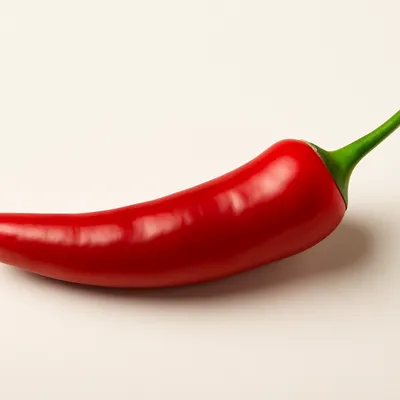
How it's made
8 steps · 20 min
- 18 min
Peel the santol and grate the flesh off the seeds into coarse shreds.
- 25 min
Soak the gratings briefly in salted water, then squeeze out the excess liquid to tame the sourness.
Watch outSoak the grated santol in salted water and squeeze out the excess; this draws off the sharp resin and excess sourness before it goes in the pot.
- 35 min
Saute garlic, onion, and ginger, then add diced pork or shrimp and cook until it changes color.
- 43 min
Pour in the coconut milk and bring to a gentle simmer.
- 512 min
Add the grated santol and simmer until it softens into a tender mash and the sauce reduces.
- 63 min
Season with shrimp paste and add whole chilies.
Watch outAdd the shrimp paste late, near the end; cooked too long it turns bitter and muddies the dish.
- 75 min
Continue cooking until the coconut milk thickens and just begins to render oil.
Watch outCook until the coconut milk thickens and just begins to render oil at the surface; that sheen of oil signals it's reduced to the right richness.
- 83 min
Finish with thick coconut cream and serve as a side with rice.