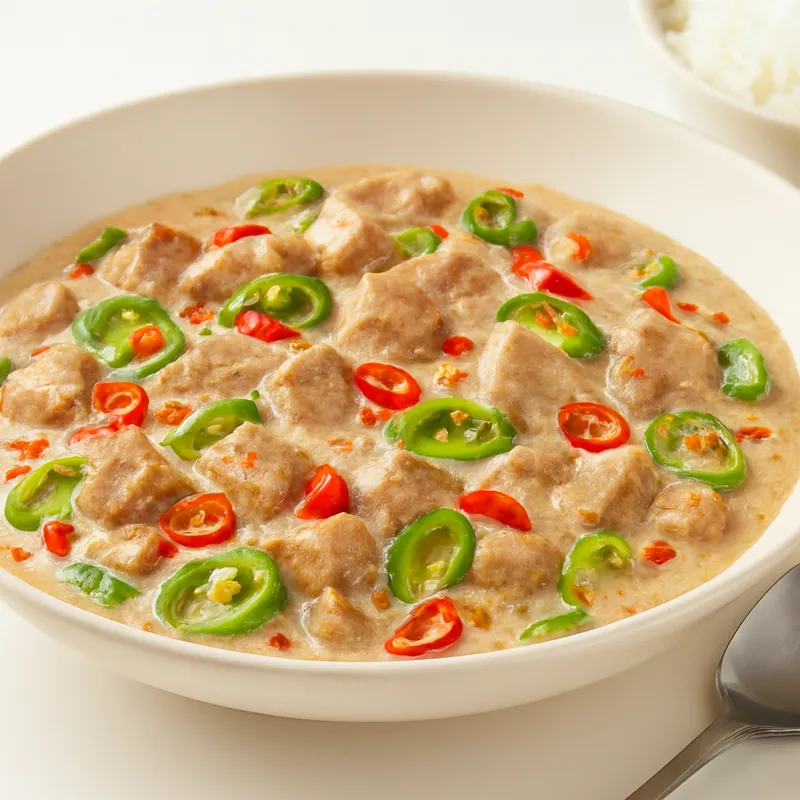
A Bicolano dish of poached shark or stingray, flaked fine and simmered in coconut milk with chili, ginger, and malunggay (moringa) leaves. The fish is boiled first, then shredded into delicate threads before going back into the gata, which gives the dish its name — from a Bicolano word for shredding or flaking apart. It is sharp with souring from calamansi or vinegar and finished spicy. Stingray (pagi) and small shark (pating) are the traditional choices.






From the Bicol region of southern Luzon, where coconut milk underpins nearly every savory dish. Kinunot makes use of cartilaginous fish — stingray and small shark — that are abundant in Bicolano coastal waters and whose flesh shreds cleanly once cooked. The dish belongs to the wider ginataan family of Bicolano coconut cookery alongside Bicol Express and laing. Because some sharks and rays are now protected or overfished, cooks today often substitute other firm white fish.
Fine threads of poached fish suspended in a pale coconut sauce, dotted with bright green malunggay leaves and rings of chili. The texture is soft and feathery rather than chunky. A squeeze of calamansi or a splash of vinegar cuts the coconut richness with a clean sourness, and the chili builds heat at the back. Ginger keeps the fish from tasting flat. Eaten with rice, the sauce ladled generously.
Pre-boiling firms the fish so it shreds into clean threads instead of falling to mush, and discarding the first poaching water removes much of the ammonia note that cartilaginous fish can carry. Ginger and the souring agent further tame any off-aroma. The coconut milk is reduced gently so its fat enriches the sauce without breaking; the delicate malunggay leaves are added near the end so they wilt but keep their color and do not turn bitter.
Variations
Stingray (kinunot na pagi) and shark (kinunot na pating) are the classic versions; some cooks add a little vinegar early to firm the fish further. Sili leaves or other greens stand in where malunggay is scarce. A milder home style keeps the chili low for children, while Camarines and Sorsogon cooks lean spicy. With sustainability concerns, tuna, tilapia, or other white fish are increasingly used in place of shark and ray.
On the Palate
Where Kinunot sits in the Filipino flavor cloud
Ingredients
Serves 4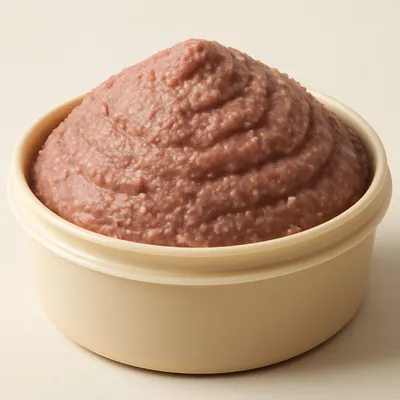
How it's made
8 steps · 25 min
- 112 min
Boil the shark or stingray in salted water with a slice of ginger until just cooked through.
Watch outBoil the shark firm first and discard that water — pre-boiling lets it shred into clean threads and washes off the ammonia note cartilaginous fish carry.
- 25 min
Drain, discard the poaching water, and let the fish cool slightly.
- 38 min
Flake and shred the cooked fish into fine threads, removing any cartilage or skin.
- 45 min
Saute ginger, garlic, and onion, then pour in coconut milk and bring to a gentle simmer.
- 510 min
Add the shredded fish and simmer so it absorbs the coconut milk and the sauce reduces.
- 63 min
Season with shrimp paste or fish sauce and brighten with calamansi juice or a splash of vinegar.
- 73 min
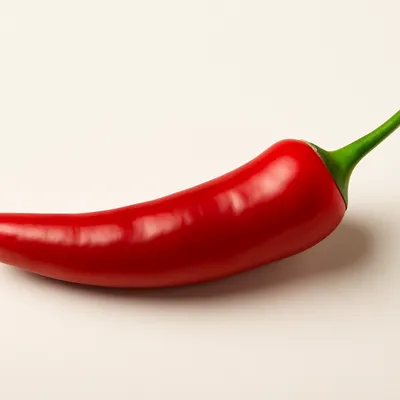
Stir in whole chilies and the malunggay leaves and cook just until the leaves wilt.
Watch outAdd the malunggay leaves near the end and cook just until they wilt — pull them in time so they keep their color and don't turn bitter.
- 83 min
Finish with a little thick coconut cream and serve hot over rice.
Archive tool suggestions — not reviewed
These legacy suggestions have not been evidence-reviewed and are not presented as required tools.