A Bicolano chicken dish simmered in coconut milk pressed from toasted, lightly charred coconut meat, which lends a deep smoky flavor and a darker sauce than ordinary gata. Grated mature coconut is roasted until browned before the milk is extracted, then chicken is stewed in it with ginger, garlic, and chili. The name comes from a root meaning to scorch or burn. The result is rich, smoky, and aromatic, eaten with rice.




From the Bicol region of southern Luzon, an example of how Bicolano cooks vary their coconut cookery beyond plain gata. Toasting the coconut before pressing the milk is a technique also seen in some southern Philippine dishes, where charred coconut deepens both color and aroma. Tinutungang manok is a home and fiesta dish rather than one tied to a single documented inventor. The same toasted-coconut method is applied to other proteins under related names across the region.
Tender chicken pieces in a sauce the color of weak coffee, carrying a distinct toasty, almost smoky note over the sweet richness of coconut. Ginger and chili lift it; the charred coconut gives a savory edge you do not get from fresh gata. The sauce clings to the meat and pools nicely over rice. The smoke should read as warm and roasted, not acrid — over-charred coconut turns the dish bitter.
Toasting the grated coconut before pressing develops browned, roasted aromatic compounds through the Maillard reaction, which carry into the extracted milk and give the dish its signature smoky depth and darker color. The chicken then braises gently in this milk so it stays moist while absorbing the flavor. Control of the toasting is key — stopping at deep golden-brown gives warmth, while pushing to black scorches the coconut bitter and ruins the sauce.
Variations
Chicken is the classic protein, but the same toasted-coconut method is used with pork or fish under related Bicolano names. Some cooks add a souring note of vinegar or calamansi; others keep it purely savory. Greens such as malunggay or chili leaves may be stirred in near the end. The depth of the smoky flavor varies with how dark the coconut is toasted, and a finishing pour of fresh coconut cream lightens the sauce.
On the Palate
Where Tinutungang Manok sits in the Filipino flavor cloud
Ingredients
Serves 4
How it's made
8 steps · 25 min
- 110 min
Grate the meat of mature coconuts and toast it in a dry pan until deep golden-brown and fragrant.
Watch outToast the grated coconut in a dry pan to a deep golden-brown and no further — that browning is the dish's signature smoky depth, but push it to black and the coconut scorches bitter and ruins the sauce.
- 28 min
Steep the toasted coconut in warm water and press to extract the smoky coconut milk.
- 35 min
Saute ginger, garlic, and onion until aromatic.
- 45 min
Add the chicken pieces and brown them lightly.
- 53 min
Pour in the toasted coconut milk and bring to a gentle simmer.
- 615 min
Simmer until the chicken is tender and the sauce reduces and deepens in color.
Watch outSimmer until the sauce reduces and deepens in colour and the chicken is tender — let the toasted coconut milk concentrate so the smoky flavour intensifies rather than staying thin.
- 75 min
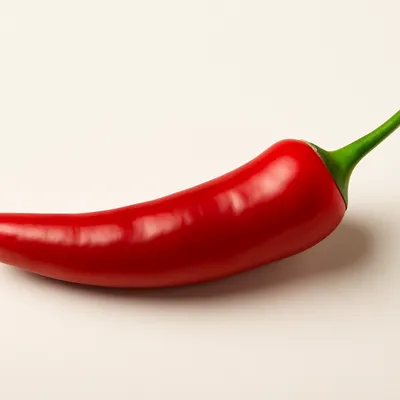
Season with fish sauce and add whole chilies, simmering a few minutes more.
- 83 min
Finish with a swirl of fresh coconut cream and serve hot over rice.
Archive tool suggestions — not reviewed
These legacy suggestions have not been evidence-reviewed and are not presented as required tools.