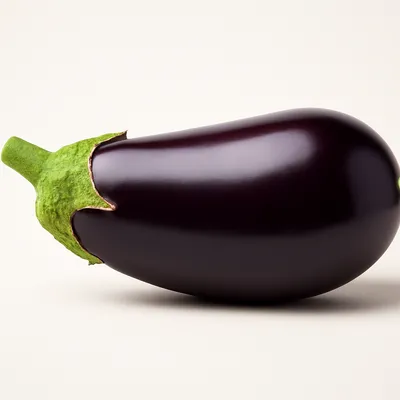
Sinigang na baboy is the pork version of the Philippines' beloved sour soup: pork ribs or belly simmered in a tamarind-soured broth with radish, water spinach, long beans, eggplant, and tomatoes. The broth is clear and brown-tinged, sharply sour up front and rounded by the pork fat. It is among the most-cooked Filipino home soups, eaten ladled over rice with a fish-sauce dip alongside. The sourness is meant to sting, waking the appetite in tropical heat.



Sinigang is pre-Hispanic, one of the few major Filipino dishes that owes nothing to Spanish cooking; its name comes from a Tagalog word meaning to stew. Souring meat in tamarind or other fruit acids is an old Austronesian habit across maritime Southeast Asia. Pork is the most common protein, with ribs or belly prized for the fat they lend the broth. Regions swap the souring agent — tamarind in Luzon, batuan in the Visayas, or green mango and calamansi off-season.
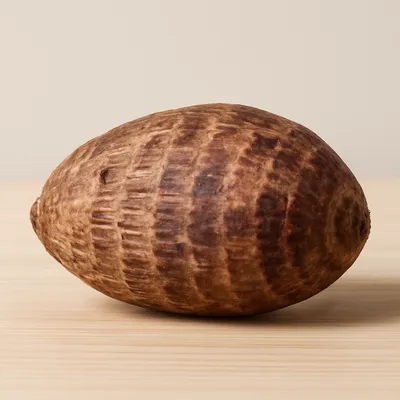
A steaming bowl of clear, faintly brown broth crowded with pork ribs, chunks of radish and taro half-melted into it, eggplant, long beans, and a tangle of water spinach. Tamarind sour hits first and sharp, almost puckering, then the pork fat smooths it into something deeply savory. The vegetables are soft but distinct. Spooned over a mound of rice, with a small dish of fish sauce and chili for dipping the meat.
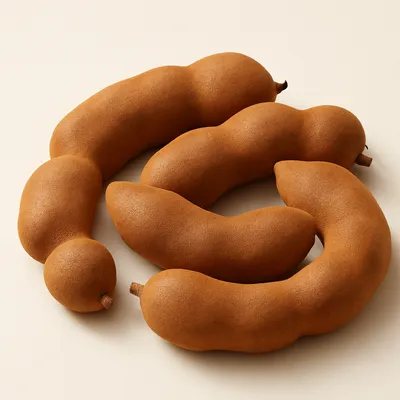
The souring agent carries the dish, and traditional cooks boil fresh tamarind pods and press them through a sieve for a deep, fruity sour the powdered mixes can't match. Pork ribs are simmered long first so their fat and gelatin enrich and round the broth before the souring goes in. Vegetables are added by cooking time: radish and taro early, since their starch slightly thickens the soup, and water spinach last so it stays bright green. Fish sauce seasons it from within.
Variations
Tamarind is the Luzon standard; the Visayas use batuan, and off-season cooks turn to green mango, calamansi, guava (sinigang sa bayabas), or kamias — same soup, different sour. Pork can be swapped for shrimp, fish, beef, or even fried pork belly (sinigang na lechon). Vegetable choices vary by what's fresh, and some cooks finish with a thickening of taro or a touch more fish sauce.
On the Palate
Where Pork Sinigang sits in the Filipino flavor cloud
Ingredients
Serves 5

How it's made
8 steps · 20 min
- 110 min
Simmer the pork ribs in water with onion and tomato, skimming the foam
- 230 min
Cook until the pork is tender and the broth has flavor
Watch outSimmer the pork ribs tender and let the broth build flavor before the souring goes in; the fat and gelatin round out the sour, so souring a thin broth leaves it harsh.
- 35 min
Add the tamarind, boiled and pressed, or stir in tamarind paste
- 410 min
Add the radish and taro and simmer until they begin to soften
- 52 min
Season the broth with fish sauce and taste for sourness
- 68 min
Add the long beans and eggplant and cook until just tender
- 72 min
Drop in the water spinach last and cook only until wilted
Watch outDrop the water spinach in last and cook only until it wilts; a minute too long and it goes drab and olive instead of staying bright green.
- 83 min
Serve hot over rice with a fish-sauce and chili dip
Archive tool suggestions — not reviewed
These legacy suggestions have not been evidence-reviewed and are not presented as required tools.

