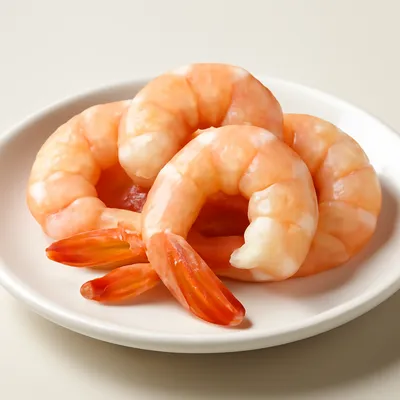
Ginataang langka is young, unripe jackfruit stewed in coconut milk — gata meaning coconut milk, langka the jackfruit. The unripe fruit is firm and savory rather than sweet, simmering until it turns tender and silky in the reducing coconut milk. Shrimp or a little pork, garlic, onion and chili go in for depth, and malunggay (moringa) leaves are stirred through at the end. In the Visayas it is a homely vegetable dish, eaten as a side to grilled or fried fish with rice.
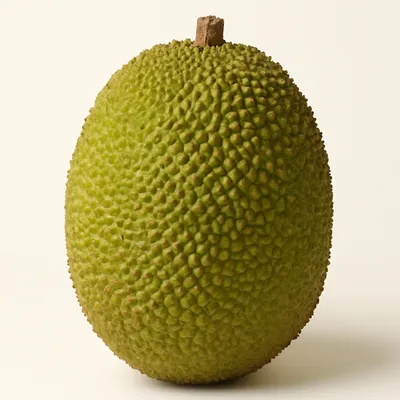



Coconut-milk cookery (ginataan) runs through much of the Philippines, and ginataang langka is one of its everyday vegetable forms, common across the coconut- and jackfruit-growing islands of the Visayas where it is also called utan nga langka. It has no documented inventor or origin date; it reflects a broader Filipino pattern of simmering vegetables and seafood in coconut milk rather than a single regional invention. The reliance on young rather than ripe jackfruit is the key — the same tree yields a sweet dessert fruit and, picked early, this savory vegetable.
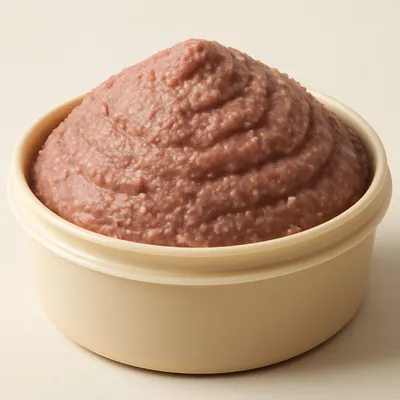
The jackfruit pulls apart in soft, stringy strands that drink up the coconut milk, mild and faintly nutty. The sauce is thick and creamy, savory from shrimp paste and a slow chili heat, the moringa leaves adding a clean green note against the richness. Comforting and gentle, more savory than sweet despite the coconut.
Young jackfruit holds together where ripe fruit would collapse, its firm flesh slowly softening into tender strands as it absorbs the coconut milk around it. The coconut milk is reduced gently and not boiled hard, so the fat stays emulsified into a creamy sauce rather than splitting into oil and curds. Shrimp paste (bagoong) or fish sauce supplies fermented glutamates that give the mild fruit a savory backbone, and the malunggay is added only at the end because prolonged heat dulls its color and its delicate leaves overcook quickly.
Variations
Pork belly or shrimp are the usual additions; a seafood version uses crab or dried fish, and a vegan one drops them for mushrooms. Some cooks add long beans or squash, others a second pressing of thick coconut cream (kakang gata) at the end for a richer finish. The chili can be left whole for fragrance or sliced in for real heat.
On the Palate
Where Ginataang Langka sits in the Filipino flavor cloud
Ingredients
Serves 4

How it's made
7 steps · 20 min
- 15 min
Drain canned or boiled young jackfruit and cut or pull it into bite-size pieces.
- 26 min
Saute garlic and onion in a little oil until soft, then add shrimp or pork and cook through.
- 32 min
Stir in shrimp paste and chili, letting them become fragrant.
- 415 min
Pour in the thinner coconut milk and add the jackfruit; simmer until the fruit is tender, about 15 minutes.
- 58 min
Add the thick coconut cream and let the sauce reduce gently to a creamy consistency, stirring so it does not split.
Watch outReduce the coconut cream gently, stirring, so it stays a creamy sauce — let it boil hard and the fat splits into oil and curds.
- 61 min
Season with fish sauce and pepper to taste.
- 72 min
Fold in the malunggay leaves and cook just until wilted, then serve with rice.
Watch outFold the malunggay in only at the very end and cook just until wilted — prolonged heat dulls the color and overcooks the delicate leaves.

