A pungent fermented-durian paste from South Sumatra and Jambi, used as a sour-funky condiment and cooking base rather than eaten on its own. Ripe durian flesh is salted and left to ferment for several days until it turns soft, tangy, and sharply aromatic. The result is most often cooked into sambal tempoyak with chili and shallots, or simmered with patin catfish into a creamy sour curry. Its smell is forceful, but cooked it mellows into a deep savory-sour richness prized across Sumatra and Malay communities.


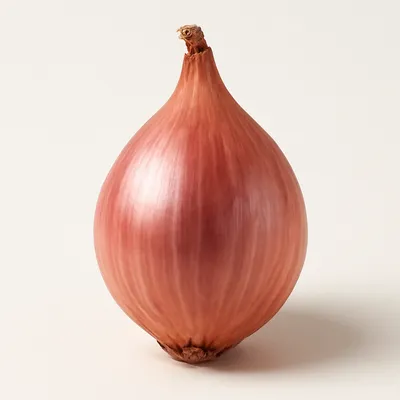
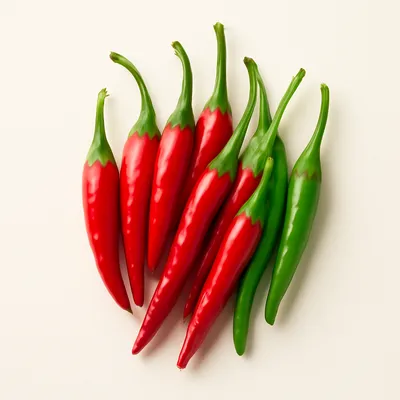

A traditional preserve of the Malay world, strongly associated with South Sumatra (notably Palembang and the surrounding region) and Jambi, and also found in Malay communities in Kalimantan and Malaysia. It is an old folk method of using up a glut of ripe durian during the fruiting season by salting and fermenting it for longer keeping. There is a documented seventeenth-century reference to fermented durian in the Malay world, but tempoyak has no single point of origin and is best understood as a shared regional tradition rather than one community's invention.
Raw, it is intensely funky — sour and cheesy with the heady sweetness of durian still underneath, an aroma that fills a room. Cooked into sambal or curry, that sharpness rounds into something deep and almost creamy, sour like good tamarind but with a fermented, umami weight behind it. Against chili heat and the sweetness of fish, it tastes savory, tangy, and rich all at once, the kind of flavor that lingers and grows on you.
Fermentation is the whole point: salt suppresses spoilage microbes while lactic-acid bacteria native to the fruit convert its sugars into acids, dropping the pH and creating the characteristic sourness and preservative effect. Over several warm days the durian's flesh softens and develops new aromatic compounds, deepening its funk. Cooking then tames it — heat drives off the most volatile aromas and the acidity blends into the fat of coconut milk or fish, so the harsh edge becomes a balanced sour-savory backbone.
Variations
Sambal tempoyak (fried with chili, shallots, and sometimes anchovies) is the most common preparation; pekasam or gulai tempoyak ikan patin simmers it with river catfish in a sour coconut curry. Some versions are made with more or less salt and fermented for shorter or longer periods, giving milder or more aggressive results, and a little turmeric or lemongrass is often added when cooking.
On the Palate
Where Tempoyak sits in the Indonesian flavor cloud
Ingredients
Serves 10How it's made
8 steps · 15 min
- 18 min
Choose very ripe, sweet durian and pull the flesh off the seeds.
- 24 min
Mash the flesh lightly and mix in salt to season and protect it.
- 33 min
Pack into a clean sealed jar, pressing out air pockets.
- 44320 min
Leave at warm room temperature for three to five days until soft and sour, opening to check the aroma.
Watch outLeave it at warm room temperature for a few days and check the aroma daily; it's ready when it turns soft and pleasantly sour, and refrigerating stops it before it overshoots into sharp.
- 50 min
Once tangy and fragrant, transfer to the refrigerator to slow the fermentation.
- 65 min
To make sambal tempoyak, saute ground chili and shallots until fragrant.
- 75 min
Stir in a few spoons of tempoyak and cook briefly until thick and aromatic.
Watch outWhen making the sambal, stir in the tempoyak and cook only briefly until thick and fragrant; long cooking drives off its aroma and dulls the sour funk.
- 82 min
Serve as a condiment with rice, or use as a base for a fish curry.

