
Vietnamese beef stew of brisket and tendon braised with lemongrass, star anise, tomato, carrot, and annatto oil — eaten with rice, banh mi, or pho noodles.
Bo kho is southern Vietnamese — Saigon street stalls and family kitchens — and is often called the most legibly French-Chinese fusion dish in the country. The braising-in-tomato structure echoes French daube; the curry powder, star anise, and five-spice come from southern Chinese influence; the lemongrass and fish sauce make it unmistakably Vietnamese. It is everyday street food eaten any time of day, often for breakfast with a baguette.
Saigon street stew — French daube structure, southern-Chinese star anise and curry powder, Vietnamese lemongrass and fish sauce. Annatto oil is the color carrier and disperses fat-soluble aromatics. Double-lemongrass: bruised whole stalks for the long base, fresh-minced at the end for top end.
Reddish-brown broth slick with annatto oil at the rim, big chunks of brisket pulling apart at chopstick pressure, glassy tendon yielding with a slight bounce, sweet carrot rounds. Aroma is lemongrass and star anise first — what tells you you're not eating French daube — then beef. With banh mi, you tear, dip, scoop a piece of meat. With rice noodles it eats like a thick pho. Rau ram on top is sharper-bitter than cilantro and pulls the fat back.
Annatto oil is a colour and aroma carrier, not a flavour itself — it dyes the broth that distinctive brick-red and disperses the fat-soluble aromatics from lemongrass and star anise evenly through the liquid. The double-lemongrass technique — bruised whole stalks for long base note, fresh-minced added at the end — gives the dish its citrus top end without the soapy aftertaste that long-cooked lemongrass develops alone.
Variations
Saigon-style with banh mi for breakfast is the canonical street format; central Vietnamese versions are spicier with annatto-heavy oil; Bo Kho Gan Hue (Hue tendon variant) leans on connective tissue; many Saigon shops (Bo Kho Gan Mai Anh) specialize in tendon-only bowls.
On the Palate
Where Bo Kho sits in the Vietnamese flavor cloud
Ingredients
Serves 6













How it's made
8 steps · 45 min active + 2 hours 15 min waiting
- 135 min
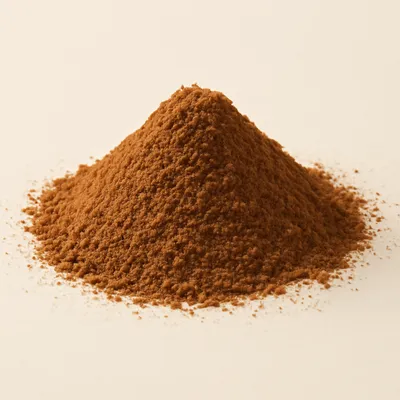
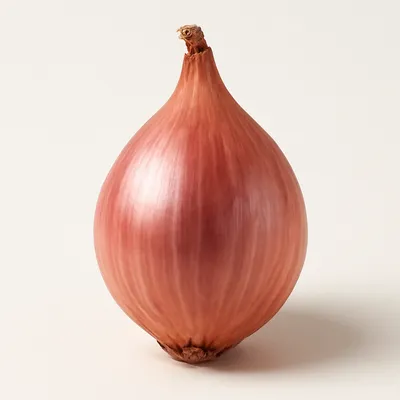
Cut 1.2kg beef brisket and 300g beef tendon into 4cm cubes. Marinate with 3 tbsp fish sauce, 2 tbsp Vietnamese curry powder (bot ca ri), 2 tsp five-spice, 1 tbsp sugar, 4 minced lemongrass stalks (white parts), 6 minced garlic, 4 minced shallots, 1 tsp salt, 1 tsp black pepper for 30 minutes.
- 25 min
Make annatto oil: heat 4 tbsp neutral oil with 2 tbsp annatto seeds (hat dieu mau) over low for 4 minutes — oil turns brick-red. Strain; discard seeds.
Watch outTake the annatto oil off the heat the moment it turns brick-red — push it past that on the low flame and the seeds scorch and turn the oil bitter.
- 38 min
In a heavy Dutch oven, heat the annatto oil over medium-high. Add the marinated beef and tendon, sear 8 minutes — surfaces brown, lemongrass perfumes the kitchen.
Watch outSear until the beef surfaces brown and the lemongrass perfumes the whole kitchen — that fragrance lifting off the pan is your cue the base is built.
- 44 min
Add 2 tbsp tomato paste and 4 ripe tomatoes (quartered). Stir-cook 4 minutes until tomatoes break down.
- 55 min
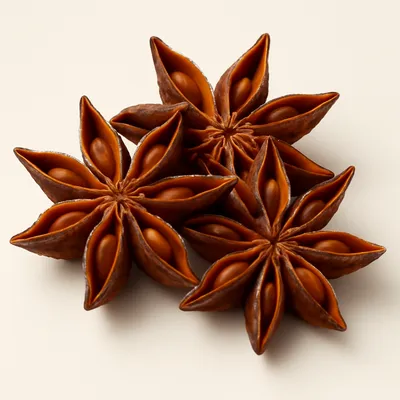
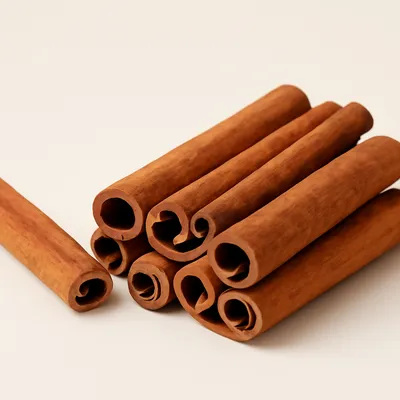
Pour in 1.5 litres water (or beef stock), 2 star anise, 1 cinnamon stick, 3 bay leaves, 2 more bruised lemongrass stalks (whole). Bring to a simmer, skim foam.
Watch outSkim foam regularly to ensure a clear broth.
- 690 min
Cover, reduce to a low simmer (90°C). Braise 90 minutes — brisket starts to soften, tendon halfway tender.
Watch outHold it at a lazy simmer, just a few bubbles breaking — a hard boil toughens the brisket instead of melting it; brisket should just start yielding by now.
- 730 min
Add 4 carrots cut into 4cm chunks. Continue braising 30 minutes — carrots tender, beef chopstick-soft, tendon glassy.
- 83 min
Taste, adjust with fish sauce and salt. Stir in 1 tbsp fresh lemongrass minced fine for top-note. Ladle into bowls; scatter with chopped Vietnamese coriander (rau ram) and Thai basil. Serve with crusty banh mi for dipping, or over rice noodles, or with rice.
Watch outStir the fresh-minced lemongrass in only at the very end — cook it long and the citrus top-note goes soapy.
Archive tool suggestions — not reviewed
These legacy suggestions have not been evidence-reviewed and are not presented as required tools.



