A classic Saigon café cooler built on xí muội — salty, licorice-cured dried plums of Cantonese origin. One or two plums are muddled with their syrup in the bottom of a tall glass, then topped with ice and soda water and often a squeeze of lime. The result is salty-sweet-sour and fizzy, with the spent plum waiting at the bottom to be eaten last. It has long been a fixture of southern street-side drinks stalls (quán nước) alongside chanh muối and soda sữa hột gà.
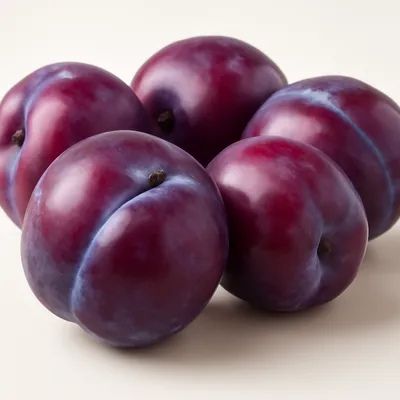


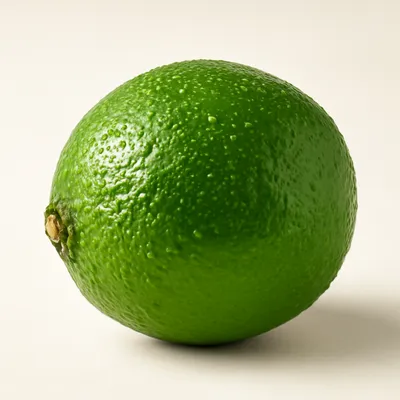

Xí muội is a Chinese-Vietnamese borrowing: the word descends phonetically from Cantonese 酸梅 (syun mui, "sour plum"), while the actual snack — a dark, wrinkled, salt-and-licorice-cured dried plum — is what Cantonese speakers call 話梅 (huamei), one of a family of salted-dried preserved fruits long sold by Chinese communities across Southeast Asia. Brought to Vietnam through Cholon's Cantonese-speaking traders, the plums entered the southern repertoire both as a snack and as a folk remedy for sore throats and nausea. Muddled with sugar and lengthened with soda water, they became soda xí muội, a longstanding fixture of Saigon cafés and quán nước. No single inventor or founding date is recorded; it belongs to the same mid-20th-century southern stall culture that produced chanh muối (salted-lime soda) and soda sữa hột gà.
First the fizz and a clean salty-sour hit off the top, then a rounder sweetness as the muddled syrup mixes up from the bottom; lime, if added, sharpens the edges. The liquid carries flecks of plum flesh and a faint licorice note. Best drunk cold and slightly under-sweet so the salt reads. At the end, the softened plum at the bottom — salty, chewy, half-dissolved — is the reward, eaten with the spoon or straw.
The drink works on a salt-sugar-acid balance. The plum brings salt and sourness plus glutamate-driven savoriness; the syrup and a pinch of added sugar round it; lime adds bright acidity. Muddling the plum (a gentle press, not a pulverizing) releases syrup and surface salt without shredding the flesh, which keeps the liquid from turning cloudy and bitter. Soda is added last and stirred minimally — agitation and warmth drive off dissolved carbon dioxide, so a light hand and plenty of ice preserve the fizz. The salt does double duty: it suppresses bitterness and amplifies perceived sweetness and sourness, which is why a salted-plum soda tastes more vivid than a plain sweet one.
Variations
Soda xí muội is the carbonated version; xí muội đá is the same plum-and-syrup base poured over ice with plain water, no soda. Chanh muối swaps the plum for a whole salted lime; me (tamarind) and sấu (dracontomelon, a northern favorite) drinks use the same salty-sour-sweet template with different sour fruit. Some Saigon cafés add a thin slice of fresh lime or a salted-plum garnish on the rim; sweeter house versions lean on more syrup, while old-school stalls keep it saltier.
On the Palate
Where Soda Xi Muoi sits in the Vietnamese flavor cloud
Ingredients
Serves 1How it's made
4 steps · 5 min
- 11 min
Drop 1-2 preserved plums into a tall glass and add 1-2 tablespoons of plum syrup (and a teaspoon of sugar if your plums are very salty).
- 21 min
Muddle gently 4-5 times to press out the syrup and surface salt without pulverizing the flesh.
Watch outMuddle the plum just four or five gentle presses — press out the syrup and surface salt without shredding the flesh, or the drink turns cloudy and bitter.
- 31 min
Squeeze in a wedge of lime if using, then fill the glass with ice.
- 41 min
Top with cold soda water, stir once or twice, and serve with a straw or spoon to eat the plum at the end.
Watch outAdd the soda last and stir just once — agitation drives off the fizz, so a light hand over plenty of ice keeps it lively.
Archive tool suggestions — not reviewed
These legacy suggestions have not been evidence-reviewed and are not presented as required tools.


