A traditional sun-dried lentil dumpling (badi) of Bihar and the Mithila region, made from a spiced, whipped paste of urad or chana dal, shaped into small nuggets and dried in the sun for days until hard. Fried and simmered into curries, it is a protein-rich preserved food that carries the Bihari kitchen through the lean seasons.

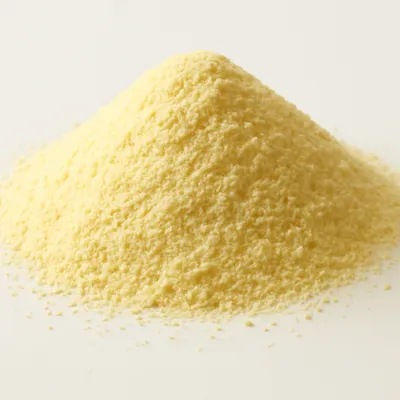
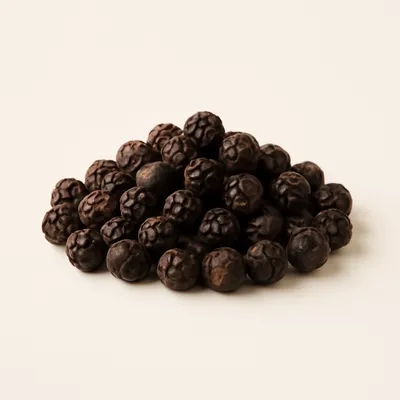


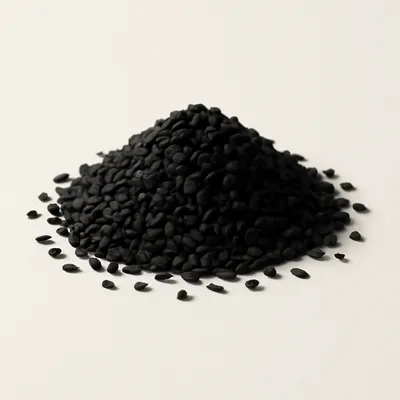
Adauri (adori, aaduri) is a sun-dried lentil dumpling of Bihar and the adjoining Mithila region (including the eastern Nepal plains), part of the wider Bihari-Maithil tradition of sun-drying foods for preservation. It is described as a key part of the diet of the Maithil and eastern Tharu communities, where sun-drying vegetables and lentil pastes is a practical adaptation to manage food through the lean seasons — when fresh produce is scarce, the dried store carries the kitchen. The dumplings are made from a paste of soaked and ground lentil — urad dal (black gram), chana dal (split Bengal gram), or a mix — beaten until light and fluffy, spiced with asafoetida, ginger, black pepper, fennel, kalonji, and sometimes kasturi methi, shaped into small nuggets on a cloth, and sun-dried for several days until completely hard. Once dried, adauri keeps for months without refrigeration, providing a protein-rich reserve that is fried in mustard oil and simmered into curries with potato, eggplant, and tomato through the monsoon and winter. A symbolic custom places red chilies among the drying adauri to ward off the evil eye.
When fried, a deeply savory, crisp-skinned, slightly spongy nugget with a roasted-lentil interior; simmered, it drinks in the curry and turns soft but still textured.
Two processes define adauri: the whipping of the lentil paste and the sun-drying. Whipping the ground urad dal incorporates air into its protein-starch matrix — urad dal's high protein content (among the highest of the pulses) forms a viscoelastic network that traps the beaten-in air as bubbles, so the dried nugget, when later fried or simmered, rehydrates into a spongy, porous texture rather than a dense puck. The sun-drying is fundamentally preservation: removing the water lowers the dumpling's water activity below the level at which bacteria and molds can grow, so it keeps for months at ambient temperature without spoiling — the same logic as a sun-dried tomato or a hard biscuit. The spices folded into the paste (asafoetida, pepper, fenugreek) contribute their own antimicrobial compounds, reinforcing the preservation, and on rehydration and frying they release their fat-soluble aromatics into the surrounding curry. The drying must be thorough — any residual moisture inside would spoil the batch from within.
Variations
A chana-dal-and-methi version is the classic 'old-fashioned' form; a mixed-dal adauri is richer, and the spice blend varies by household and tribe.
On the Palate
Where Adauri sits in the Indian flavor cloud
Ingredients
Serves 8How it's made
6 steps · 20 min
- 18 min
Soak urad dal (or chana dal, or a mix) overnight, then drain.
- 26 min
Grind to a stiff paste with very little water, then add asafoetida, ginger, black pepper, fennel, kalonji, and salt.
- 36 min
Beat the paste vigorously for several minutes until light, fluffy, and aerated.
Watch outBeat the paste hard for several minutes until it's light and aerated — the trapped air is what makes the dried nugget rehydrate spongy instead of dense.
- 43 min
Drop or pipe small nuggets of the paste onto a clean cloth in strong sun.
- 58 min
Sun-dry for several days, turning once, until completely hard and dry through.
Watch outSun-dry several days, turning once, until the nuggets are rock-hard right through — any soft centre left will mould in storage.
- 62 min
Store airtight; to use, fry in mustard oil and simmer into a curry with potato, eggplant, and tomato.


