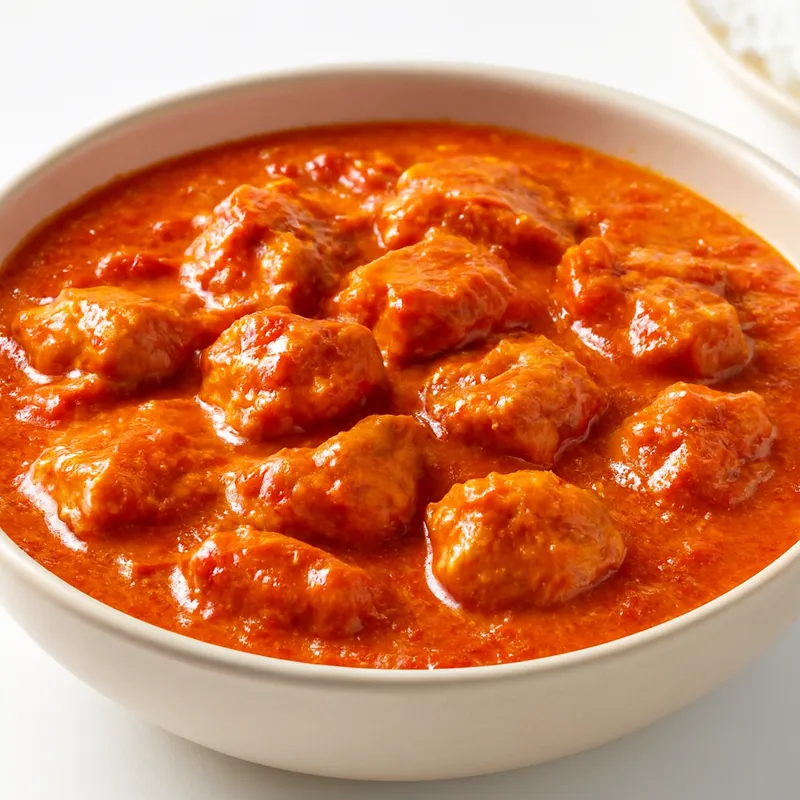
Dahi vada is a chaat of soft fried lentil dumplings (vada) soaked in thick, lightly sweetened whisked yogurt (dahi) and dressed with chutneys. Skinned urad dal is soaked, ground to a fluffy batter, beaten until airy, and deep-fried into small dumplings; these are then steeped in water so they turn spongy, squeezed, and submerged in cool spiced curd. The plate is finished with sweet-sour tamarind chutney, green mint-coriander chutney, roasted cumin, red chili, chaat masala, and sometimes a shower of fine sev or pomegranate. In northern India the same dish is called dahi bhalla, and it is eaten cold as a starter, a snack, or a festival staple.

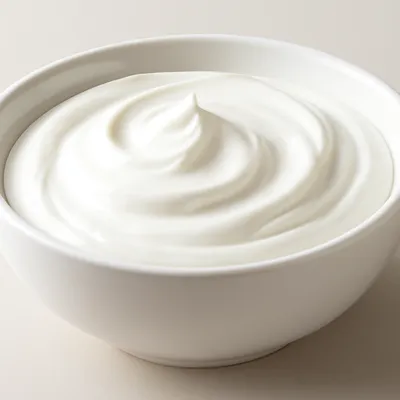

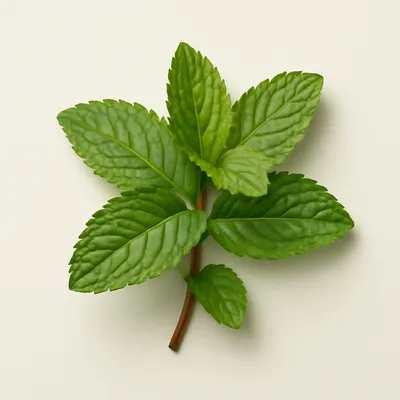

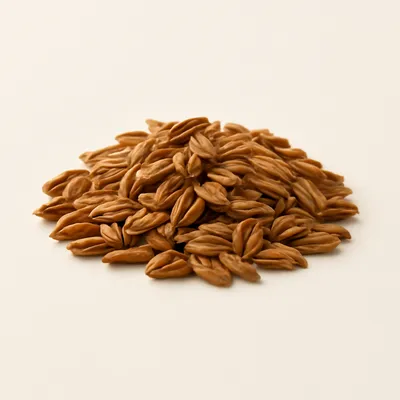
Dahi vada belongs to the oldest documented layer of Indian snack cookery. The 12th-century Sanskrit encyclopedia Manasollasa, compiled at the court of the Chalukya king Someshvara III, describes a preparation the food historian K. T. Achaya identifies with dahi vada — lentil dumplings (there called kshiravata) soaked in liquid and dressed with curd spiced with pepper and other seasonings; earlier texts mention vadas steeped in soured rice water (kanjika). Whatever its exact antiquity, the soaking of fried lentil cakes in curd is a very old subcontinental idea that survives across regions under many names. In the north it is dahi bhalla; in the south thayir vada, perugu vada or doi bora; the spicing and finishing chutneys shift from kitchen to kitchen.
A spoon meets almost no resistance: the soaked vada has gone pillowy and waterlogged-soft, so it collapses into cool, tangy yogurt at the first press. The curd is mild and faintly sweet, the tamarind dark and sour-sweet, the green chutney herbal and sharp, and over it all sits the warm dust of roasted cumin and the salty, sulfurous tang of chaat masala. It is served cold; the contrast is creaminess and a hundred soft textures rather than crunch.
The texture turns on two things: aeration and rehydration. Skinned urad dal is ground with very little water and then beaten hard so air folds into the sticky batter — a spoonful dropped in water should float, the sign it will fry light rather than dense. The dumplings fry at a moderate 170–180°C so they cook through without a tough crust. They are then soaked in warm water, which lets the fried cakes swell and go soft and sponge-like; squeezing expels excess water so they drink up the curd instead. The yogurt is whisked smooth with a little sugar and salt to balance the chutneys' acid and the chaat masala's black-salt sulfur.
Variations
In the north, dahi bhalla leans sweeter and is piled high with both chutneys, cumin and sometimes pomegranate; in the south, thayir vada (Tamil), perugu vada (Telugu) and doi bora (Bengali) keep the curd plainer and may temper it with mustard seeds and curry leaves. Some cooks fold soaked raisins, cashews or ginger into the batter; a lighter version uses a urad-and-moong mix, and dahi vada also appears as part of larger chaat plates such as dahi bhalla papdi.
On the Palate
Where Dahi Vada sits in the Indian flavor cloud
Ingredients
Serves 4



How it's made
7 steps · 8 hours
- 1240 min
Soak skinned urad dal in water for at least 4 hours, then drain.
- 212 min
Grind the dal to a thick, fluffy batter with minimal water; beat hard for several minutes until light, adding salt, chopped ginger and green chili.
Watch outBeat the batter hard until a spoonful floats in water — that floating is the sign enough air is in for the vadas to fry light, not dense.
- 315 min
Heat oil to 170–180°C and drop small spoonfuls of batter, frying until pale golden and cooked through.
- 420 min
Transfer the fried vadas to a bowl of warm water and soak for about 20 minutes until soft and spongy.
Watch outSoak the fried vadas in warm water till spongy, then squeeze — this makes them drink up the curd instead of the water.
- 55 min
Whisk the yogurt smooth with a little sugar and salt until pourable and chilled.
- 68 min
Gently squeeze each soaked vada and arrange in a serving dish; cover completely with the whisked yogurt.
- 75 min
Drizzle over tamarind chutney and green chutney, then dust with roasted cumin, chaat masala and red chili; chill before serving.
Archive tool suggestions — not reviewed
These legacy suggestions have not been evidence-reviewed and are not presented as required tools.