Radhaballabhi is a deep-fried puffed bread from North Kolkata's confectionery culture, stuffed with a spiced ground urad dal filling seasoned with ginger, fennel, and asafoetida. Crisp-shelled and aromatic, it anchors the classic Bengali Sunday breakfast served alongside cholar dal and alur dum.




The name Radhaballabhi honors the deity Radhaballav — an epithet of Krishna paired with his consort Radha — reflecting the dish's roots in Bengal's Vaishnavite devotional culture. By tradition it took its name from the bhog offered daily to Radhaballav Jiu, the household deity of the Deb family at North Kolkata's Shovabazar Rajbari. In Kolkata it became the domain of professional mithai-makers, who refined a stuffed-luchi tradition into this formal breakfast bread; it belongs to the same North Kolkata confectionery family as kochuri and singara, and is typically served with chholar dal or a spiced potato curry. Its exact date of origin is not documented.
The shell shatters on the first bite with a light crunch, releasing a puff of hot air fragrant with fennel and asafoetida. The dal filling inside is dense and smooth — mildly spiced, with a warm vegetal depth and a savory background note from the asafoetida. Dipped into cholar dal, the crispness softens and flavors merge into a satisfying, aromatic whole.
Deep frying at around 190°C causes rapid vaporization of moisture within the dough, building steam pressure that puffs the bread into a hollow sphere. Simultaneously, the high heat gelatinizes wheat starch and denatures gluten proteins, locking the puffed structure and creating a crisp, oil-infused shell. Asafoetida in the dal filling inhibits the oligosaccharides responsible for flatulence and contributes rounded savory sulfurous compounds that complement the earthy urad. Fennel's principal aromatic, trans-anethole, dissolves readily in fat and migrates through the filling during frying, imparting a persistent sweet anise note.
Variations
Some sweet shops substitute green peas for urad dal in the filling, producing a milder, slightly sweeter version. Home cooks may add dried fenugreek leaf or black cumin for extra complexity. Festival versions occasionally incorporate coconut or raisins. The closest relative is dal kochuri, from which radhaballabhi differs in its dough texture and the more complex spice balance of its filling.
On the Palate
Where Radhaballabhi sits in the Indian flavor cloud
Ingredients
Serves 4
How it's made
8 steps · 20 min
- 1120 min
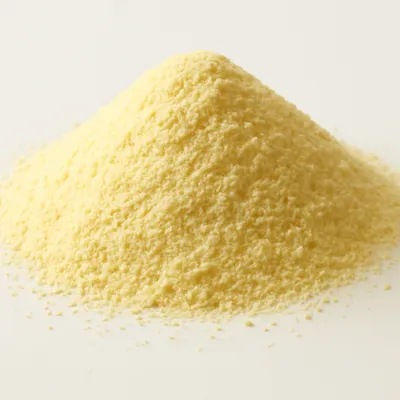
Soak urad dal in plenty of cold water for at least 2 hours; drain and grind coarsely in a food processor — the mixture should have texture, not be a smooth paste.
Watch outGrind the dal coarse with texture, not to a smooth paste — a paste filling turns dense and pasty instead of light.
- 210 min
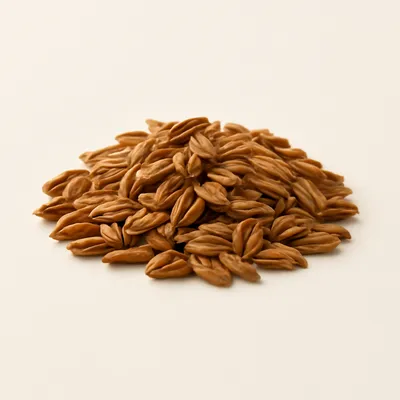
Combine the ground dal with minced ginger, fennel seeds, cumin seeds, asafoetida, and salt; mix well and set the filling aside.
- 325 min
Mix all-purpose flour with a pinch of salt and a tablespoon of neutral oil; knead, adding water gradually, until the dough is smooth and supple; cover and rest for 20 minutes.
- 415 min
Divide the rested dough into small equal balls; flatten each ball, place a heaped teaspoon of filling in the center, draw the dough up and pinch firmly to seal, then roll gently between the palms to smooth.
- 510 min
On a lightly oiled surface, roll each filled ball into a disc about 3–4 mm thick, applying even, gentle pressure to avoid tearing.
- 65 min
Heat oil in a deep pan to about 190°C — a small piece of dough should rise immediately and sizzle vigorously.
Watch outGet the oil to about one hundred ninety degrees — a dropped scrap should surface at once and sizzle hard, or the bread won't puff.
- 78 min
Slide discs into the oil one at a time; press the center lightly with a slotted spoon to encourage puffing, then flip once and fry until both sides are golden and crisp, about 1–2 minutes per side.
Watch outPress the center gently with the ladle as it fries to coax it into a hollow ball, then flip once.
- 82 min
Remove with a slotted spoon, drain briefly on a rack, and serve immediately alongside cholar dal and alur dum.
Archive tool suggestions — not reviewed
These legacy suggestions have not been evidence-reviewed and are not presented as required tools.


