Uppu Kari is a Chettinad salt-cured dry meat dish in which mutton or beef is cooked without a drop of added water, relying entirely on its own released moisture and rendered fat. Heavy salting draws liquid out by osmosis; that liquid evaporates over sustained low heat until each piece is coated in a concentrated, dark, intensely flavored crust. The dish was developed as a traveling provision by Nattukotai Chettiar merchants who crossed the Bay of Bengal to Burma, Malaya, and Ceylon and needed protein that could last weeks without refrigeration.
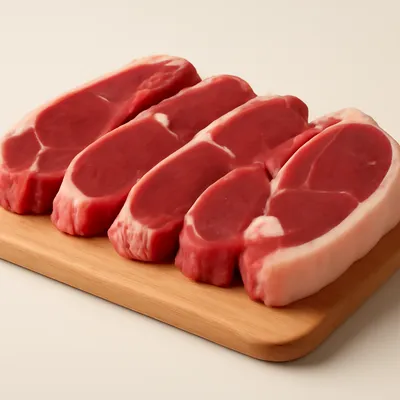



The Nattukotai Chettiars, a Tamil merchant-banking community centered on Karaikudi, operated trade networks from Burma and Malaya to Ceylon and the Dutch East Indies through the 19th and early 20th centuries. Their sea voyages demanded provisions that could survive weeks without refrigeration. Uppu kari — mutton or beef cooked with heavy salt and no water — extended shelf life by drawing out and evaporating moisture, inhibiting bacterial growth through concentration of salt rather than cold. As Chettiar fortunes grew, the dish moved from traveling provision into the community's ceremonial repertoire, appearing at wedding feasts and festivals alongside elaborate spiced gravies and fragrant rice preparations.
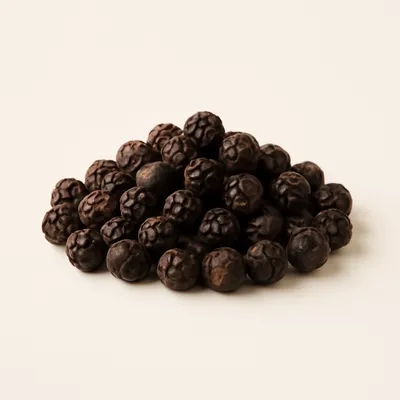
Dense and intensely savory, with a concentrated saltiness balanced by the deep richness of rendered mutton fat, the warmth of cracked black pepper, and a dry, chewy texture that yields more flavor with every bite.
Salt draws moisture from the meat surface by osmosis, beginning both preservation and flavor concentration. As the pan heats, the meat releases its own juices and renders internal fat; without added water, these liquids evaporate rapidly. Sustained low heat drives Maillard browning on the meat's exterior, building complex savory and caramel-like compounds. Collagen in connective tissue hydrolyzes to gelatin over the extended cook time; as moisture continues to escape, this gelatin concentrates and dries, producing the dish's characteristic dense, chewy texture and deep body.
Variations
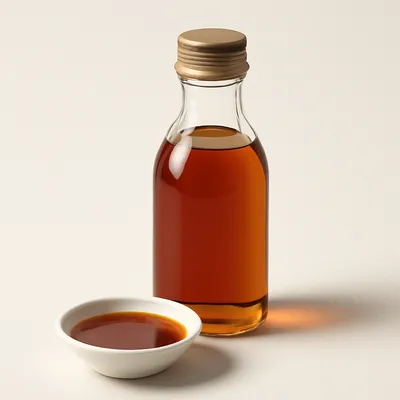
Some Chettinad households substitute beef for mutton; a temple-kitchen version omits onion and garlic. A few family recipes drizzle sesame oil over the meat at the end. A coastal variant adds curry leaves and mustard seeds in the final minutes.
On the Palate
Where Uppu Kari sits in the Indian flavor cloud
Ingredients
Serves 4
How it's made
6 steps · 15 min
- 110 min
Cut mutton into medium chunks, rinse well, and pat completely dry with a cloth.
- 25 min
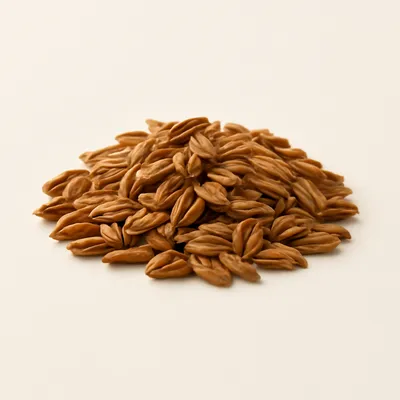
Combine the meat in a heavy-bottomed pan with salt, cracked black pepper, dried red chilies, and cumin seeds — add no water.
- 310 min
Place over medium heat, cover, and stir every 2–3 minutes as the meat begins releasing its own juices.
- 43 min
Once liquid accumulates in the pan, reduce heat to low and remove the lid.
Watch outOnce the meat's own juices pool in the pan, drop to low and take the lid off — now the moisture drives off; keep it covered and the meat stews soft instead of drying dense.
- 572 min
Continue stirring occasionally for 60–75 minutes until all moisture has evaporated and the meat turns dark, dry, and deeply aromatic.
Watch outKeep going until every drop of moisture is gone and the meat turns dark and dry — that near-dry stage is the whole dish; stop while wet and it's just a wet fry.
- 65 min
Drizzle sesame oil over the meat, toss once to coat, and serve hot alongside steamed rice.


