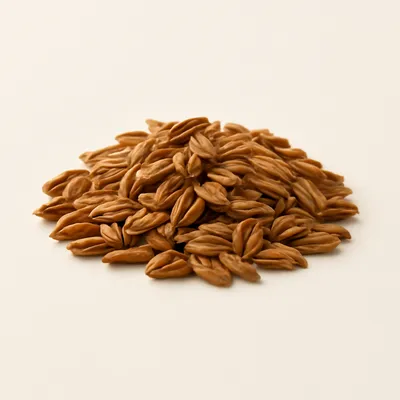
A blood sausage from the province of Burgos in Castile, set apart from other Spanish morcillas by the rice cooked into it. Pork blood, plenty of chopped onion, lard, cooked rice and spices — black pepper, cumin and paprika — are mixed, stuffed into casings and gently boiled until set. It is sold cured and is almost always eaten cooked again: sliced into rounds and pan-fried or grilled until the skin crisps and the inside stays soft. Served hot as a tapa, often with bread or fried green peppers.





Morcilla de Burgos is a blood sausage of the province of Burgos in Castile and León, holding Protected Geographical Indication status granted by the EU in 2018. Like most Spanish cured sausage, it grew out of the matanza, the household winter pig slaughter, when families turned the blood and offal into preserved food. What distinguishes it is the rice: this is said to have entered the recipe in the 18th century, once rice grown in Valencia reached the inland Castilian plateau, and it took particular hold in the Arlanza and Alto Arlanzón valleys around the city of Burgos. Through the 20th century home production gave way to workshops and small factories working to the same formula.
Sliced into a coin and fried, the casing tightens to a thin crisp shell while the inside turns soft and almost spreadable, dark and glossy. The taste is led by sweet onion and warm spice — black pepper and the faint, distinctive musk of cumin — over the deep iron note of blood, with the rice grains lending a loose, grainy give rather than the dense paste of an onion-only morcilla. Salty and rich, eaten hot off the pan; once it cools the fat firms and the texture turns waxy, so it is always served straight from the heat.
Rice is what defines the sausage and what makes it tricky. It is parboiled and folded in so the grains finish cooking and swell inside the casing during the gentle boil that sets the mix; that swelling is also why the sausage is stuffed loosely and pricked, since over-packed casings burst as the rice expands and the blood proteins coagulate. The first cooking is kept below a rolling boil — too hard and the casing splits. The second cooking, the fry, is where it is actually eaten: dry heat crisps the skin by Maillard browning while the starch-and-fat interior softens, the textural contrast that the dish lives on.
Variations
Within Burgos the proportion of onion and the spice hand vary by maker, with some leaning sweeter and others more peppery; cooks fry it in slices, crumble it loose into scrambled eggs or beans, or serve it on toast. It sits opposite the onion-and-fat morcillas of other regions — morcilla de cebolla — and the Asturian morcilla used in fabada, which is smoked and carries no rice; León's morcilla is closer in spirit but still its own thing.
On the Palate
Where Morcilla de Burgos sits in the Spanish flavor cloud
Ingredients
Serves 6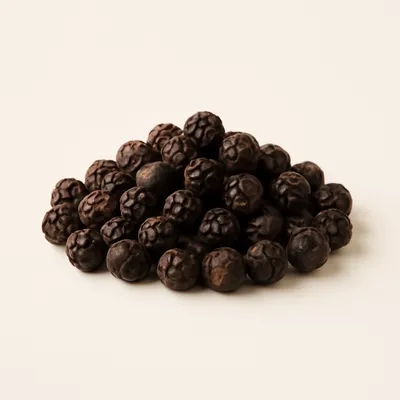


How it's made
7 steps · 45 min
- 120 min
Cook the rice until just tender and let it cool; finely chop a large quantity of onion.
- 215 min
Mix the pork blood, chopped onion, lard, cooked rice, salt, black pepper, cumin and paprika into an even batter.
- 320 min
Stuff the mixture loosely into casings, tie into lengths and prick all over to vent steam.
Watch outStuff loosely and prick all over — the rice keeps swelling as it poaches, and a tightly packed casing will burst when the grains expand.
- 460 min
Lower into water held just below a boil and poach gently until set, never letting it roll hard.
Watch outKeep the water just below a boil, never a hard roll — too hot and the casing splits before the rice sets and the blood coagulates.
- 590 min
Lift out, cool and chill the sausages so they firm up before slicing.
- 610 min
To serve, slice into rounds and pan-fry or grill until the skin crisps and the inside is hot and soft.
Watch outOn the fry, let the skin crisp and brown before flipping — that dry-heat crust against the soft inside is the whole point, so don't rush it soft.
- 72 min
Serve hot as a tapa, with bread or fried green peppers.
Archive tool suggestions — not reviewed
These legacy suggestions have not been evidence-reviewed and are not presented as required tools.