
A traditional Catalan dessert, this creamy custard is infused with lemon zest and cinnamon, topped with a crackling caramelized sugar crust.
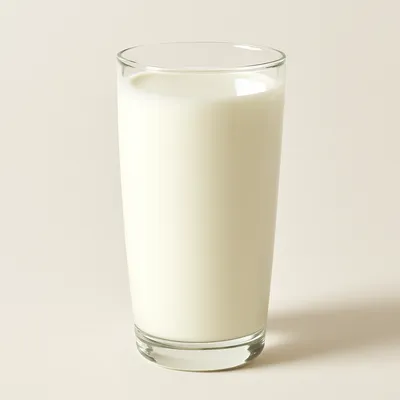

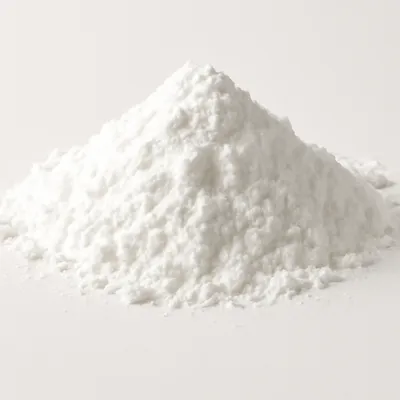
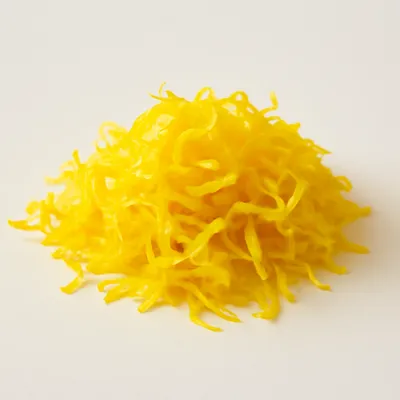

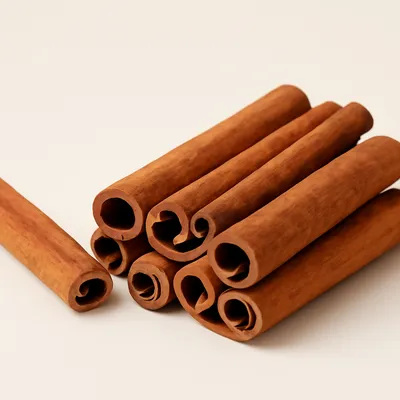
Catalan, documented in the 14th-century Llibre de Sent Soví cookbook as crema cremada — predating French crème brûlée by roughly three centuries. Traditionally served on Saint Joseph's Day, March 19, when Catalan fathers are celebrated. The French version uses cream and is baked in a bain-marie; the Catalan original uses milk thickened with cornstarch on the stovetop, which is why it's looser.
Catalan custard from at least the 14th-century — milk-based (not cream), thickened with cornstarch, scented with lemon peel and cinnamon stick. The torched sugar lid is cracked tableside.
A shallow earthenware dish of pale yellow custard with a thin glassy caramel crust, cracked open with the back of a spoon. Lemon zest and cinnamon come up first, then egg-yolk richness — looser than crème brûlée, almost pourable cold from the fridge. Eaten chilled, not warm; the contrast between cold custard and just-burnt sugar is the whole point.
Cornstarch, not eggs alone, holds the custard. Yolks set lightly but the structural body comes from starch — that's why crema catalana doesn't crack or weep when sugared on top. The sugar crust is burned with a hot iron disc (ferro de cremar) traditionally, not a torch; the iron's mass caramelizes faster than the custard underneath can warm, keeping the contrast intact.
Variations
Crema de Sant Josep is the saint's-day version (March 19); Mallorca's greixonera dolça is a leftover-utilization baked pudding made by mixing torn-up day-old ensaïmada (or bescuit) into an egg-and-milk custard, typically at Carnival or Lent; French crème brûlée uses cream and bakes in a bain-marie — different beast.
On the Palate
Where Crema Catalana sits in the Spanish flavor cloud
Cook the custard low and slow while stirring so the cornstarch thickens it evenly without scrambling the yolks — that starch body, not the eggs, is what lets the top crust caramelize without the custard weeping.
Ingredients




How it's made
5 steps · 1 hour
- 15 min
In a saucepan, heat milk with lemon zest and a cinnamon stick until just before boiling.
Watch outPull the milk off just as tiny bubbles rim the pan; a full boil makes it froth over and dulls the zest aroma.
- 23 min
In a bowl, whisk egg yolks with sugar and cornstarch until smooth.
- 35 min
Gradually pour the hot milk into the egg mixture, stirring continuously.
- 415 min
Return the mixture to the pan and cook over low heat until thickened.
Watch outIt's done the instant it coats the back of the spoon and holds a line when you swipe a finger — it firms more as it chills.
- 530 min
Pour into ramekins and chill, then sprinkle sugar on top and caramelize with a torch.
Watch outBurn the sugar just until it's amber and glassy, then let it sit a minute so it hardens into a crackable sheet.
Archive tool suggestions — not reviewed
These legacy suggestions have not been evidence-reviewed and are not presented as required tools.

Hand-held wire loop tool for beating eggs, whipping cream, emulsifying dressings, and incorporating air into batters. Balloon whisks (large round head) for whipping cream and meringues; French whisks (narrow tear-drop) for sauces in pots; flat whisks (gravy) for pan sauces. Stainless steel is universal; silicone-coated for non-stick pans.

Round metal pot, 14-26 cm diameter, with vertical walls and a long handle, designed for sauces, soups, oatmeal, rice, boiled vegetables. The vertical walls minimize evaporation (vs. a sauté pan). Sizes: 1 qt for melting butter, 2-3 qt for sauces, 4 qt for soups. Stainless-steel-clad aluminum or copper is best for conduction; cast-iron is too thick for delicate sauces.


