
Vitoria layered dessert: whipped cream on the bottom, sponge soaked in syrup in the middle, caramelized custard on top — three textures in one glass.
Goxua means «sweet» or «delicious» in Basque. It was created in 1976 at Pastelería Sosoaga in Vitoria-Gasteiz, the Álava capital, by pastry chef Luis López de Sosoaga inspired by the Catalan cream (crema catalana) he fell for while training in Barcelona, reworked with local cream and rum. Within a decade it had spread across Álava and become the city's signature dessert; today nearly every Vitoria pastelería sells a version. The name was coined by a customer's wife from Gipuzkoa who, on tasting it, exclaimed «qué goxua!»; the chef kept the word.
Created 1976 at Pastelería Sosoaga in Vitoria-Gasteiz by Luis López de Sosoaga. Goxua means «sweet» in Basque. Three water states stacked: soft-peak cream, rum-soaked sponge, cornstarch-stabilized pastry cream. Brûlée à la minute or it goes soggy in 20 minutes.
Tap a spoon through and you get a four-stage descent: the brittle amber crackle of caramel; the cool custard underneath, vanilla-thick; sponge that's drunk on rum syrup, almost wet; and at the bottom, cold cream that registers as relief after the sweetness above. The layers don't blend on the spoon — they alternate, which is the entire point. A goxua that's been brûléed too early goes soggy on top; one served warm has lost the cream's contrast. It should crack audibly.
The three layers are built on three water states. The cream is whipped to soft peak so it remains pourable and yields to the spoon. The sponge is engineered to absorb syrup without disintegrating — that's why store-bought sponge with stable starch structure works better than a fresh génoise. The pastry cream needs cornstarch (not just yolk) to hold shape under the torch — pure custard would melt and seep into the sponge. The brûlée must be done à la minute: after 20 minutes the moisture from the cream re-softens the sugar shell.
Variations
Pastelería Sosoaga still makes the original; Pastelería Goya in Vitoria does a coffee version; Bilbao copies often sub kirsch for rum; modern Madrid restaurants serve it in a glass jar with a quenelle of cream on top.
On the Palate
Where Goxua sits in the Spanish flavor cloud
Ingredients
Serves 6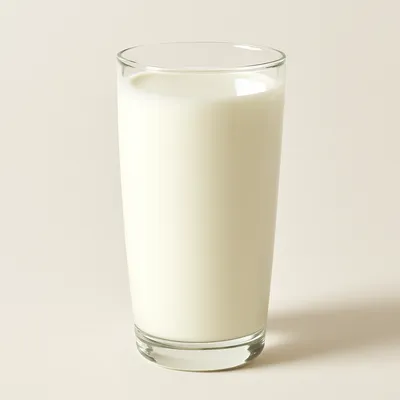







How it's made
5 steps · 50 min active + 40 min waiting
- 115 min
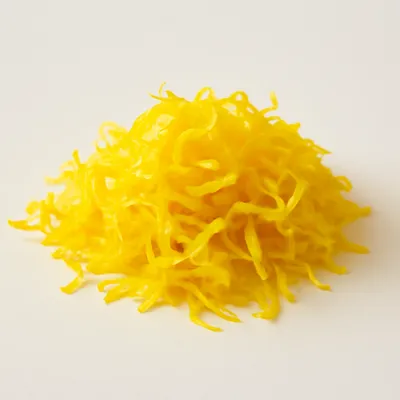
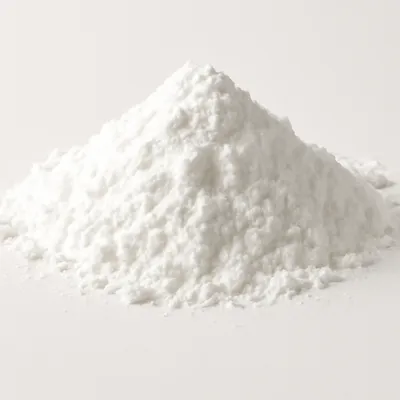
Make the pastry cream: heat 500ml whole milk with 1 split vanilla pod and zest of half a lemon to 80°C. Whisk 5 yolks with 120g sugar until pale, then 35g cornstarch. Temper hot milk into yolks; return to pan and cook over medium, whisking, until thickened and glossy — about 4 minutes. Cover surface with film and chill.
Watch outWhisk constantly once thick — the cornstarch is what allows boiling without curdling, but a still spot means scrambled yolk.
- 28 min
Make the syrup: boil 200ml water with 100g sugar and 2 tbsp dark rum (or Pacharán) until just dissolved. Cool. Slice store-bought sponge cake or sponge fingers to fit your serving glasses, ~1.5cm thick.
- 35 min
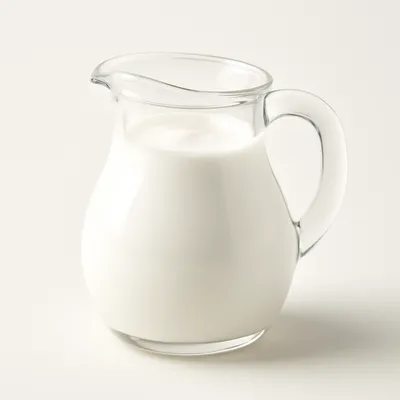
Whip 400ml cold heavy cream (35% fat) with 40g icing sugar to soft peaks — it should hold a fold but still pour. Don't over-whip; piped goxua wants flow.
Watch outStop at soft peak; stiffer cream will sit like a brick at the base instead of melting against the sponge.
- 412 min
Layer in 6 glass cups: bottom-quarter whipped cream; press a sponge round on top; brush generously with rum syrup until soaked but not flooded; spoon chilled pastry cream over to come within 5mm of the rim. Smooth flat. Refrigerate at least 30 minutes.
- 58 min
Just before serving, sprinkle 1 tsp caster sugar evenly over each pastry-cream surface. Torch with a kitchen blowtorch in slow circles until the sugar bubbles and turns deep amber — about 30 seconds per glass. Rest 1 minute so the crust hardens. Serve cold under crackling top.
Watch outHold the torch ~5cm above; too close and the sugar carbonizes black before it caramelizes.
Archive tool suggestions — not reviewed
These legacy suggestions have not been evidence-reviewed and are not presented as required tools.


