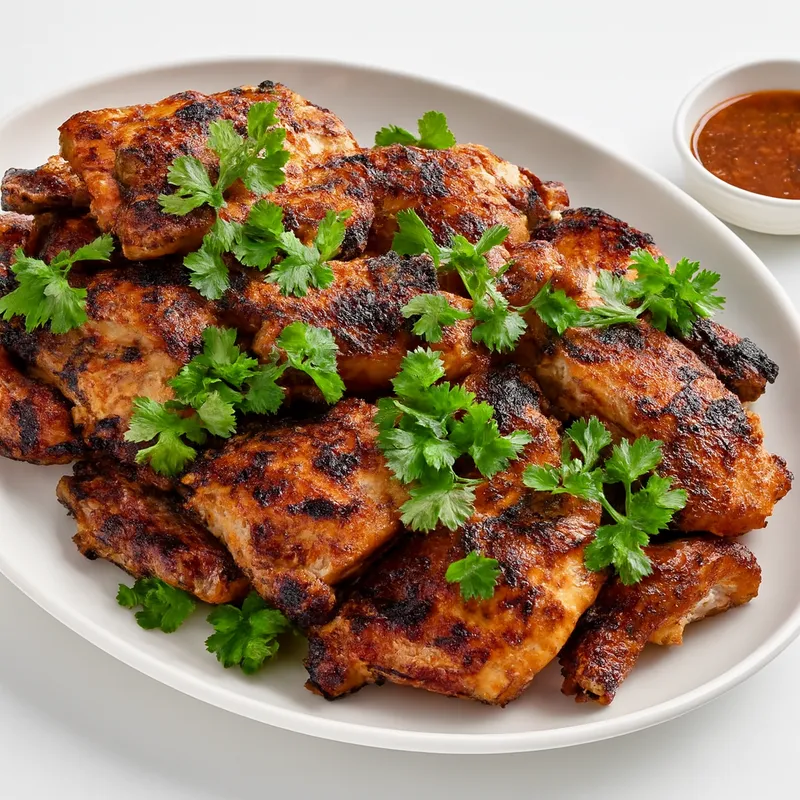
A coastal Southern Thai coconut curry of crab and wild pepper leaf (bai cha plu), built on a toasted southern khua paste of turmeric, black pepper, dried chili and shrimp paste, then enriched with coconut milk and served over fermented rice noodles (khanom jeen). The wild pepper leaf gives a green, peppery, faintly bitter top note found in few other curries; the crab gives sweet brine. It is everyday cooking of the Andaman and Gulf fishing towns, where blue swimming crab is cheap and pepper leaf grows wild at the edge of every yard.
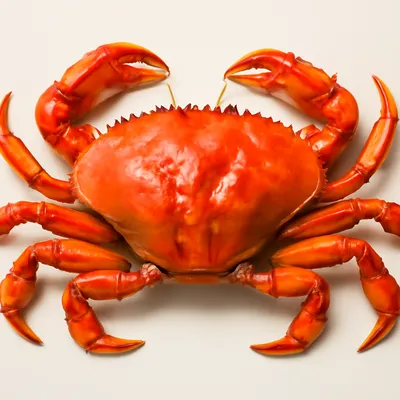


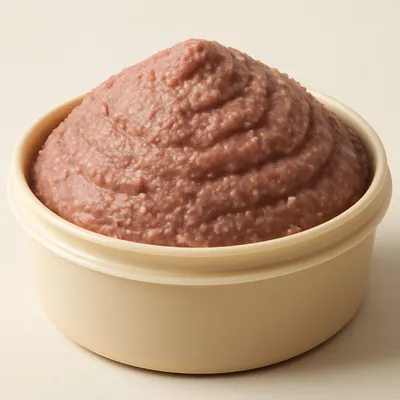

This is a Southern Thai khua-style coconut curry — khua meaning the toasted, dry-fragrant paste of turmeric, black pepper, dried chili, shallot, garlic and shrimp paste typical of the peninsula's coastal kitchens. The leaf is bai cha plu, Piper sarmentosum, often sold in English as "wild betel leaf" though it is a distinct plant from true betel (Piper betle, which is not cooked); cha plu is peppery and mild, eaten across Southeast Asia raw and cooked. Pairing the curry with khanom jeen, the soft fermented rice vermicelli of the south, is standard. It is a regional crab-and-leaf curry of the fishing coast rather than a dish with a single documented origin.
The gravy is golden-orange and medium-thick, glossy with coconut fat, peppery-hot rather than chili-blasting, with the marine baseline of shrimp paste underneath. The wild pepper leaves wilt into it dark green, contributing a herbal, slightly bitter, distinctly peppery edge that sets this curry apart. The crab is sweet and briny, eaten in the shell with fingers, its juices bleeding into the gravy. Spooned over soft khanom jeen noodles, each strand carries curry, coconut and the green pepper-leaf perfume. Rich, fragrant, gently fiery.
The khua paste is toasted as it is pounded and fried, which is what the name marks: dry-roasting turmeric, pepper and dried chili deepens their oils and tames raw harshness before the coconut milk goes in. The shrimp paste must cook through to turn its sharp amines into umami. Coconut milk is added in stages and not boiled hard, so the cream emulsifies into a glossy gravy rather than splitting into oil and curd. The pepper leaf goes in near the end and only wilts — long cooking would dull its volatile pepperiness and push the bitterness forward. Crab cooked in the shell keeps its sweetness and seasons the gravy from the inside as its juices release.
Variations
Blue swimming crab is most common, but mud crab, prawns or scallops work in the same curry. Some southern cooks make it drier and more pepper-forward; others lean sweeter with more coconut cream. It is served over khanom jeen most often, but also plain with rice. Where cha plu is scarce, cooks substitute other peppery greens, though the signature leaf note is lost.
On the Palate
Where Gaeng Poo Bai Cha Plu sits in the Thai flavor cloud
Ingredients
Serves 4


How it's made
7 steps · 40 min active + 10 min waiting
- 120 min
Pound a southern khua paste of turmeric, black pepper, dried chili, lemongrass, shallot, garlic and shrimp paste.
- 25 min
Fry the paste in a little oil or thick coconut cream until toasted and deeply fragrant.
Watch outFry the paste until the oil goes fragrant and the raw sharpness is gone — the toasted smell is the whole point of a khua curry.
- 38 min
Add coconut milk in stages and bring to a gentle simmer without hard boiling.
Watch outAdd the coconut milk in stages and keep it at a lazy simmer — a hard boil splits it into oil and curd instead of a glossy gravy.
- 412 min
Add cleaned crab pieces in the shell and simmer until cooked through.
- 53 min
Season with fish sauce and a little palm sugar to balance.
- 62 min
Stir in the wild pepper leaves near the end and let them just wilt.
Watch outSlip the pepper leaves in right at the end and let them just wilt — long cooking dulls their peppery aroma and pushes the bitterness forward.
- 73 min
Ladle the curry over soft khanom jeen noodles and serve.