A smooth, thick pork-rib congee from Hanoi, a staple Old Quarter breakfast. Unlike grain congees that keep some bite, this one is cooked from finely ground rice into a velvety, almost gluey porridge with no whole grains left. It is studded with tender rib cartilage, dusted with pepper and crisp fried shallots, and eaten with torn-up fried dough sticks dropped in to soften.



Cháo sườn is a Hanoi specialty, sold from small Old Quarter stalls where some vendors near Lý Quốc Sư have ladled it for decades. Congee itself runs deep in Vietnamese life as frugal, restorative food — in hard and famine years households stretched a little rice much further by cooking it into porridge rather than steaming it, and the habit of cháo as comfort and sickbed food stayed. The Hanoi rib version refines that thrift into something deliberately smooth and rich, ground fine and enriched with pork-bone broth, eaten as an everyday morning meal.
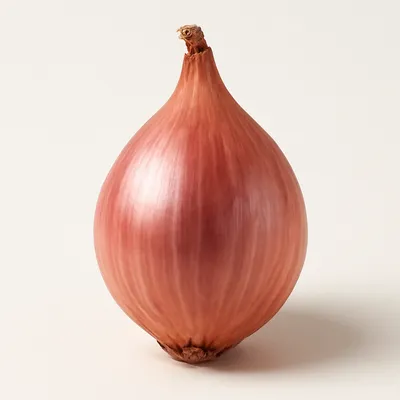
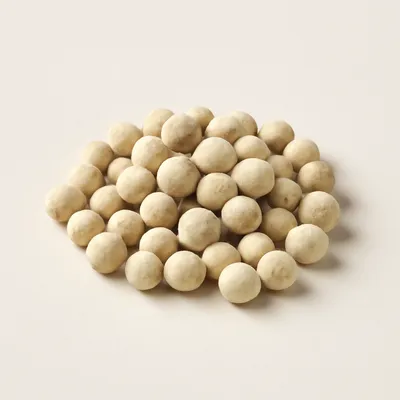
It is poured rather than spooned in chunks — pale, thick, and glossy, coating the spoon and sliding slowly back into the bowl. The texture is the point: completely smooth, with no grain to chew, almost like a savory rice cream. Hidden in it are pieces of rib cartilage soft enough to bite clean through. Pepper warms the back of the throat, fried shallots add toasty crunch on top, and a torn fried dough stick dropped in goes from crisp to luxuriously soggy as it soaks.
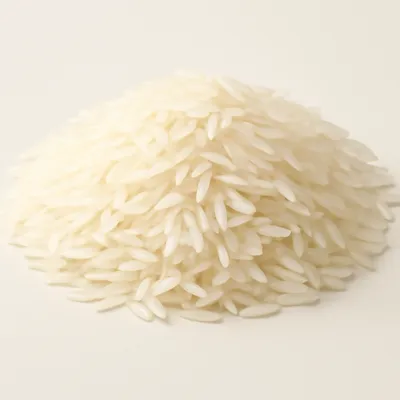
Smoothness is engineered, not coaxed from long-simmered whole grains. The rice is ground to a fine flour (or soaked rice is blended), then cooked slowly into pork-bone broth with constant stirring so the starch disperses evenly and the porridge thickens into a uniform, lump-free cream. Stirring is what prevents the rice settling and scorching on the bottom. The rib cartilage is simmered separately until tender, then its broth enriches the congee — so the bowl tastes of pork without any whole meat needing to be chewed, and the cartilage that does go in yields to the spoon.
Variations
The Hanoi standard is rib cartilage with pepper, fried shallots, and a fried dough stick (quẩy) on the side; some stalls add shredded pork floss or a raw egg stirred into the heat. A children's and invalid's version is plainer, almost unseasoned. Cooks elsewhere in Vietnam make their cháo coarser and looser, keeping visible grains, but the fine, gluey Hanoi texture is exactly what marks this bowl as a northern city specialty.
On the Palate
Where Chao Suon sits in the Vietnamese flavor cloud
Ingredients
Serves 4How it's made
8 steps · 25 min active + 50 min waiting
- 150 min
Simmer pork ribs and rib cartilage in water until tender; reserve the broth and the meat.
- 25 min
Grind raw rice to a fine flour, or blend soaked rice with water into a smooth slurry.
- 32 min
Whisk the rice into the reserved pork broth.
- 420 min
Cook over gentle heat, stirring constantly, until it thickens into a smooth, lump-free, glossy porridge.
Watch outCook the congee over gentle heat, stirring constantly — the stirring is what keeps it smooth and lump-free and stops the rice settling and scorching on the bottom.
- 51 min
Season with fish sauce, salt, and pepper.
- 65 min
Fry sliced shallots until golden and crisp; drain.
- 71 min
Ladle the congee into bowls and add pieces of the tender rib cartilage.
- 81 min
Top with fried shallots, pepper, and herbs, and serve with torn fried dough sticks.
Archive tool suggestions — not reviewed
These legacy suggestions have not been evidence-reviewed and are not presented as required tools.