A thick, dark, intensely sweet-savory confit of slow-cooked onions and black raisins perfumed with cinnamon, cloves, and dried rose buds, eaten with heavily salted preserved fish at Eid el-Fitr breakfast in Sfax. Entirely unrelated to Moroccan chermoula, which is an herb marinade.

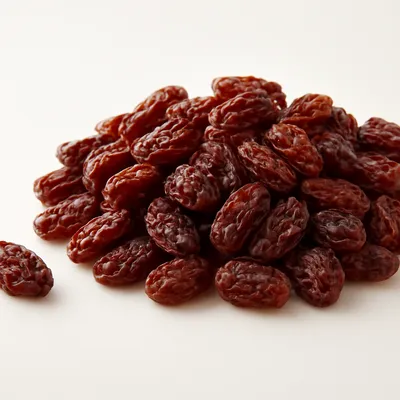

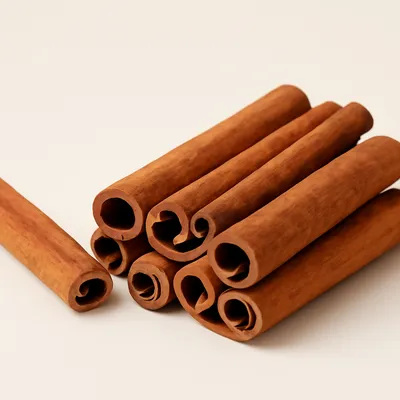
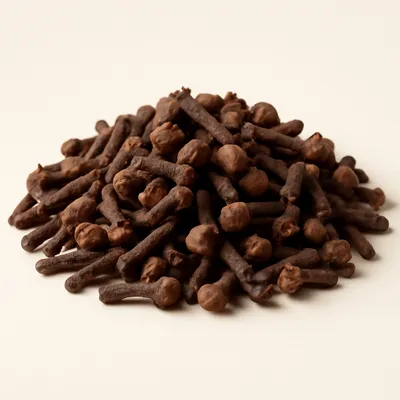

Charmoula Sfaxienne is a Sfax Eid el-Fitr tradition documented in the French Wikipedia article on Sfax, which identifies it as a signature condiment of the region made from raisins, onions, olive oil, and spices, inseparable from salted fish. Sfax is Tunisia's premier fishing port, responsible for roughly one-third of the national fish catch, and its salted-fish preservation tradition (hout melah) is rooted in the city's medieval maritime economy. Multiple Tunisian coastal cities maintain charmoula variants: Bizerte pairs a simpler version with fried fish, and Djerba uses onion and pepper without raisins. The Sfax version, thickened with black raisin juice and perfumed with dried rose buds, is the most elaborate, and is eaten specifically at breakfast on the morning of Eid el-Fitr alongside the salted fish whose brininess is said to encourage water intake after the month of fasting.
Intensely sweet from caramelized onions and concentrated raisin sugars, with floral warmth from dried rose buds and cinnamon, and a background heat from chili; the spread balances the sharp, aggressive brine of the salted fish it accompanies.
The initial 90-minute sauté of onions in olive oil triggers Maillard reactions between amino acids and reducing sugars on the cut surfaces, and caramelization of fructose and glucose above 110°C, producing the dark color and complex bitter-sweet flavor compounds. Black raisins blended with water release anthocyanins and concentrated reducing sugars; when added to the onions and cooked a further hour, water evaporates, the sugars concentrate, and the sauce thickens. Cinnamon's volatile cinnamaldehyde and clove's eugenol are fat-soluble; they are captured by the olive oil and released slowly on the palate. Dried rose buds contribute geraniol and citronellol, aromatic alcohols that persist through low-temperature prolonged cooking and perfume the finished sauce.
Variations
Some families use golden raisins for a lighter color and less astringent flavor. Bizerte's version uses a sharper quantity of vinegar and is served with fried rather than salted fish. Djerba's charmoula simplifies to onion and pepper only, without raisins. A family variant omits the chili entirely for a purely sweet profile.
On the Palate
Where Charmoula Sfaxienne sits in the Tunisian flavor cloud
Ingredients
Serves 8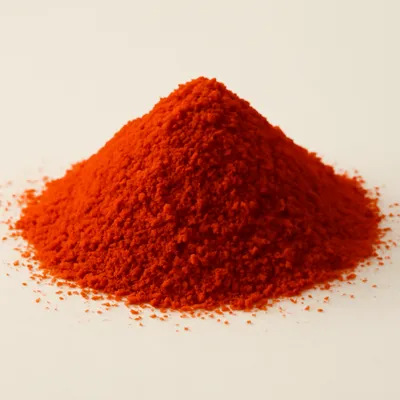


How it's made
7 steps · 15 min
- 15 min
Peel and finely chop 2 kg of onions. Heat 400 ml of olive oil in a large, heavy-bottomed pot over low heat.
- 290 min
Add the onions and stir to coat in oil. Cook uncovered over the lowest possible heat for 90 minutes, stirring every 10–15 minutes, until deeply golden-brown and reduced.
Watch outCook the onions the full 90 minutes to deep golden-brown — this long caramelization is the backbone of the sauce's dark, bittersweet depth.
- 315 min
Meanwhile, soak 1 kg of black raisins in 500 ml of warm water for 15 minutes. Transfer to a blender and blend until smooth.
- 42 min
Pour the blended raisin mixture into the cooked onions and stir well to combine.
- 52 min
Add cinnamon, ground cloves, dried rose buds, ground hot pepper, vinegar, and salt. Stir thoroughly.
- 660 min
Continue cooking over low heat for a further hour, stirring regularly, until the sauce is very thick, very dark, and spatters when disturbed.
Watch outReduce until the sauce is very thick, very dark, and spatters when stirred — that spattering is the water cooked off and the sugars concentrated.
- 73 min
Cool slightly and serve alongside heavily salted preserved fish and crusty bread for Eid el-Fitr breakfast.
Archive tool suggestions — not reviewed
These legacy suggestions have not been evidence-reviewed and are not presented as required tools.


