S'aranzada nugoresa is Nuoro's gilded wedding sweet: fine strips of orange peel candied slowly in pure honey with whole toasted almonds until amber-glassy and fragrant. Naturally flour-free and gluten-free, it began as a frugal reuse of citrus peel and became Sardinia's most aristocratic confection after pastry chef Battista Guiso refined and internationalized it from 1886, winning gold medals in Paris and earning the patronage of Queen Margherita.

Aranzada originates in Nuoro and the Baronìe hills of Sardinia, where it was made for centuries as a wedding sweet. In 1886 pastry chef Battista Guiso established a production house in Nuoro, systematized the recipe, and entered international exhibitions — winning gold medals in Paris, Cannes, and Marseille. Queen Margherita became a patron, authorizing Guiso to print 'Supplier to H.M. the Queen Mother' on his packaging. The confection remains one of Sardinia's most celebrated traditional sweets.
The first impression is a floral, resinous honey scent cut by bright orange citrus oil; each piece is firm and gummy at first bite, then gives way to a deep amber sweetness with a pleasantly bitter citrus finish. Toasted almonds add crunch and a warm nuttiness that balances the honeyed richness throughout.
Bitter compounds in orange peel — naringin and limonin — are leached by multiple cold-water soaks and blanching steps before candying. During slow heating in honey (108–115°C), water evaporates and sugar concentration rises; the peel cells absorb fructose and glucose as their own moisture is displaced, shrinking and toughening. On cooling, the supersaturated honey forms an amorphous glassy solid around the peel, creating the characteristic amber luster. Pre-toasted almonds undergo Maillard reactions above 130°C, generating hundreds of aromatic volatiles that interlock with the honey's floral esters and the peel's essential oils.
Variations
The Siniscola variant uses pompia — a rare Sardinian citrus — instead of orange peel, yielding a more complex, resinous aroma. In Dorgali, orange peel is ground before cooking and the mixture is spread and cut into small diamonds. Some family recipes add a small amount of lemon peel for additional tartness.
On the Palate
Where Aranzada sits in the Italian flavor cloud
Ingredients
Serves 8How it's made
8 steps · 30 min
- 15 min
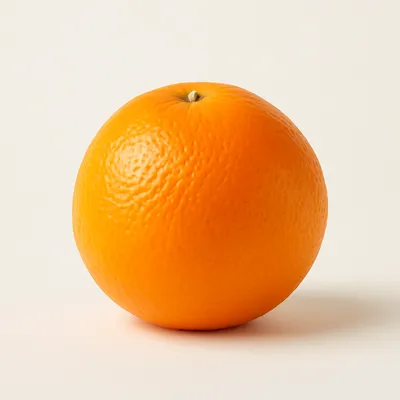
Using a sharp knife or vegetable peeler, remove the peel from large untreated oranges in broad strips, then cut away as much white pith as possible. Soak strips in a bowl of cold water for 12–24 hours, changing the water 3–4 times to draw out bitter compounds.
Watch outSoak the peel a full day, changing the water three or four times — that's what draws out the bitter oils; skip it and the finished sweet turns harsh and medicinal.
- 215 min
Blanch the soaked peel in a pot of boiling water for 5 minutes; drain, discard water, and repeat twice more. Drain well and spread on a clean cloth to dry.
- 310 min
Cut the blanched peel into fine julienne strips, approximately 2–3 mm wide.
- 410 min
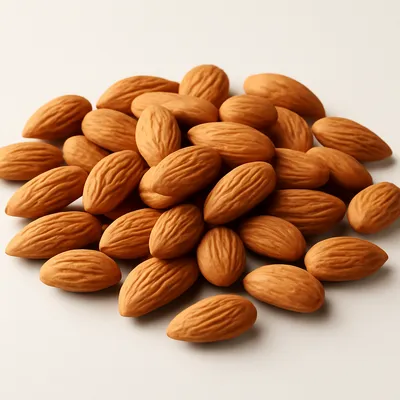
Blanch almonds in boiling water for 1 minute to loosen skins; peel off skins. Toast peeled almonds in a dry skillet over medium heat, stirring often, until golden and fragrant, about 5–6 minutes; set aside.
- 535 min
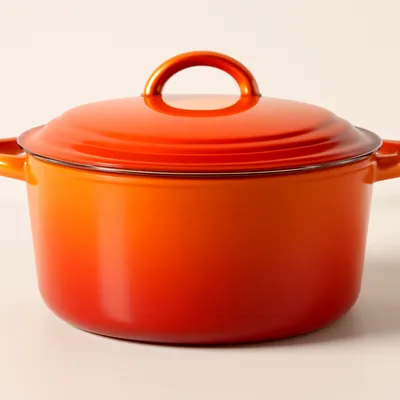
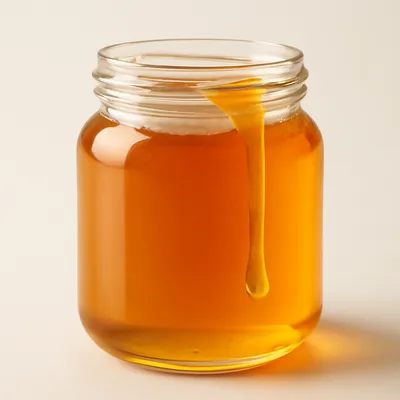
Place honey and orange peel strips in a heavy-bottomed pan. Cook over the lowest possible heat, stirring frequently with a wooden spoon. Monitor temperature with a thermometer, aiming for 108–115°C. Cook until peel is fully translucent and the mixture is thick and amber, 30–40 minutes.
Watch outKeep the honey between 108 and 115 and stir constantly — pull it when the peel goes fully translucent and the mass is thick amber; push hotter and the honey scorches bitter.
- 63 min
Add toasted almonds to the honey-peel mixture; stir thoroughly to coat every almond. Remove from heat.
- 75 min
Pour the hot mixture onto a lightly oiled marble slab or wooden board. Using an oiled spatula, spread to an even layer approximately 1 cm thick.
- 85 min
Leave uncovered at room temperature until completely set and cool, at least 2 hours. Cut into small diamond shapes or irregular pieces; transfer to a serving plate or airtight tin.
Watch outCut it while still just warm and pliable — let it cool rock-hard first and it shatters instead of slicing into clean diamonds.
Archive tool suggestions — not reviewed
These legacy suggestions have not been evidence-reviewed and are not presented as required tools.